Category: World News

Latest World News headlines. U.S, EUROPE, ASIA, AFRICA and other Continents news

  • ANALYSIS: Did US and Israel accomplish objectives in Iran ceasefire deal

    ANALYSIS: Did US and Israel accomplish objectives in Iran ceasefire deal

    The announcement of a temporary ceasefire between the United States, Israel and Iran has drawn attention to the broader outcomes of the 39-day confrontation.

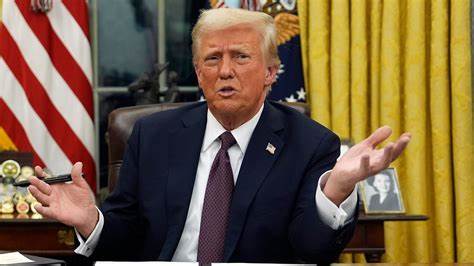
    The development followed a statement by the president of the United States, Donald Trump, who disclosed that hostilities would pause for two weeks after weeks of sustained military exchanges.

    The conflict, which Iran described as unprovoked, reportedly began in late February and quickly escalated across multiple theatres in the Middle East.

    Reports indicate that the fighting led to significant casualties within Iran, including the death of the supreme leader, Ali Khamenei, alongside civilian losses in cities such as Minab.

    The situation also extended beyond Iran’s borders, with attacks and counterattacks affecting several countries within the Gulf region.

    Announcing the truce, the prime minister of Pakistan, Shehbaz Sharif, described the development as a step towards stability.

    “Both parties have displayed remarkable wisdom and understanding and have remained constructively engaged in furthering the cause of peace and stability,” he said.

    As part of diplomatic efforts, Iran presented a 10-point ceasefire proposal, outlining conditions aimed at halting further escalation.

    The framework included commitments such as non-aggression, continued Iranian oversight of the Strait of Hormuz, and recognition of uranium enrichment activities.

    Other elements of the proposal addressed the removal of sanctions, termination of certain international resolutions, and withdrawal of United States forces from the region.

    The proposal also called for compensation to Iran and an end to hostilities involving allied groups across the Middle East.

    In the early stages of the conflict, military exchanges intensified rapidly, with missile and drone strikes reported across multiple locations.

    Iran responded to initial attacks with large-scale barrages targeting Israeli cities and strategic installations, including areas believed to host sensitive infrastructure.

    The exchanges also affected United States military assets stationed in the Gulf, with reports indicating losses of personnel and equipment.

    Civilian casualties were recorded in several neighbouring countries, reflecting the regional spread of the conflict.

    Despite the intensity of the fighting, verified casualty figures from Israel remained limited, partly due to reporting restrictions.

    As discussions around the ceasefire continue, attention has shifted to whether the objectives of the United States and Israel were achieved.

    The secretary of defence, Pete Hegseth, described the operation as successful.

    “Operation Epic Fury was a historic and overwhelming victory on the battlefield. A capital V military victory,” he said.

    He added that the campaign fulfilled its targets, including degrading Iran’s naval strength, air defence systems, and missile production capacity.

    The stated objectives of the United States and Israel included limiting Iran’s missile capabilities and reducing its stockpile of enriched uranium.

    Additional goals reportedly involved constraining Iran’s ability to advance nuclear activities and weakening allied groups operating across the region.

    However, available information suggests that some of these targets may not have been fully realised.

    Iran continued to launch missile and drone attacks up to the point of the ceasefire, indicating that key elements of its military capability remained operational.

    There is also limited confirmation regarding the extent of damage to Iran’s nuclear infrastructure following reported airstrikes.

    According to the International Atomic Energy Agency, there were no indications of radiation leaks or abnormal activity after the strikes.

    This observation suggests that critical nuclear facilities may not have been significantly compromised.

    Efforts to weaken Iran’s regional alliances also appear incomplete, as groups linked to Tehran have remained active during the conflict period.

    Operations attributed to Hezbollah and other allied forces continued in different locations, indicating sustained operational capacity.

    While high-profile figures were reportedly killed, the broader structure of Iran’s leadership has remained intact.

    Analysts note that Iran’s governance and military systems are structured to ensure continuity in the event of leadership losses.

    The country operates a dual military arrangement, combining conventional forces with specialised units responsible for ideological and strategic functions.

    These systems are supported by multiple intelligence bodies and coordinated command structures designed to distribute authority.

    Such an arrangement allows for continuity of operations even under sustained external pressure.

    The ceasefire, therefore, reflects a pause in hostilities rather than a clear resolution of the underlying conflict.

    While both sides have presented their positions, the available evidence points to a mixed outcome.

    Some military targets may have been affected, but key capabilities within Iran’s defence and political system appear to remain functional.

    As talks continue, the situation remains fluid, with further developments expected to shape the long-term implications of the conflict.

    For now, the ceasefire offers a temporary halt, while broader questions about strategic outcomes remain under examination.

  • ‘Russia-Ukraine 32-Hour Ceasefire’: What You Need To Know About Orthodox Easter

    ‘Russia-Ukraine 32-Hour Ceasefire’: What You Need To Know About Orthodox Easter

    On Thursday, April 9, Russia’s President Vladimir Putin declared a 32-hour cease-fire for Orthodox Easter. 


    According to the Kremlin, the cease-fire will begin at 4 p.m. Moscow time (13:00GMT) on Saturday and last until midnight on Sunday, allowing both countries to celebrate Easter.

    “We proceed on the basis that the Ukrainian side will follow the example of the Russian Federation,” the Kremlin stated in a statement.

    It was also stated that Defense Minister Andrei Belousov had directed Chief of the General Staff Valery Gerasimov to suspend military actions during the period. However, Russian soldiers will continue to be prepared to respond to any infractions.

    President Volodymyr Zelenskyy confirmed the ceasefire, saying Ukraine had earlier suggested a similar halt and would reciprocate.

    “Ukraine has consistently stated that it is ready for reciprocal actions. We suggested a ceasefire during the Easter break this year and will follow through,” he stated on Telegram.

    “People need an Easter without threats and a real move towards peace, and Russia has a chance not to return to attacks even after Easter.

    According to sources in Nigeria, the 32-hour truce for Orthodox Easter is the first official one to be recognized by both countries. As a result, a detailed explanation of Orthodox Easter is required.

    ORTHODOX EASTER

    It is a Christian celebration of the resurrection of Jesus Christ, the world’s savior, that takes place on the first Sunday after the Paschal Full Moon. It represents optimism, rebirth, and fresh starts, reminding Christians of Jesus Christ’s sacrifice and resurrection.

    Pascha is a prominent holiday in the Eastern Orthodox Church that commemorates Jesus Christ’s resurrection. The Julian calendar, which differs from the Gregorian calendar used by Western religions, determines the date, with Orthodox Easter frequently coming between April 4 and May 8.

    HOW IT STARTED

    The findings revealed that Orthodox Easter has its roots in ancient Christian traditions. It is thought to be associated with the Jewish Passover and Jesus’ resurrection. It has a different date than Western Easter since it is established by the Julian calendar.

    Historically, in 325 AD, the Council of Nicaea established the formula for calculating Easter date. Orthodox Easter is observed on the first Sunday following the first full moon on or after the March equinox. The Orthodox Church utilizes the Julian calendar.

    EVENTS THAT SHAPE ORTHODOX EASTER

    There are five major activities or events that shaped Orthodox Easter celebrations. These include fasting, Easter eggs, lamb, midnight service, and food blessings.

    FASTING: Christian believers are anticipated to begin a 40-day period of severe fasting prior to Easter, which will conclude with a feast.

    EASTER EGGS: Christian faithfuls, notably those from Eastern European nations such as Greece, Russia, and Ukraine, eat hard-boiled eggs that are traditionally dyed crimson to represent Christ’s blood and resurrection. It represents the beginning of something new.

    LAMB: It signifies Christ. It’s a common Easter dish. In Nigeria, it is celebrated with traditional delicacies such as Suya and grilled lamb. It represents renewal and fresh life, mimicking Jesus’ resurrection.

    MIDNIGHT SERVICE: This is a unique church service that begins about midnight and commemorates Jesus Christ’s resurrection. People frequently congregate with candles, singing hymns and chanting “Christos Anesti”. It is a time of spiritual meditation and celebration.

    FOOD BLESSINGS: At the end of a fast, people often come in church with baskets full of food for blessing.

  • BREAKING: Trump announces ceasefire, calls off ‘destructive’ bombing of Iran

    BREAKING: Trump announces ceasefire, calls off ‘destructive’ bombing of Iran

    President of the United States, Donald Trump, has announced a ceasefire in the ongoing war with Iran.

    The ceasefire announcement came hours after he threatened to obliterate Iran if the country did not reach an agreement to end the raging conflict in the Middle East.

    According to him, the ceasefire, which would be in place for two weeks to finalise the details of a peace accord, followed talks with Prime Minister Shehbaz Sharif and Field Marshal Asim Munir of Pakistan.

    In a post on his Truth social media late on Tuesday night, he disclosed that the duo prevailed on him to shelve his lethal and destructive bombing campaign of Iran scheduled for tonight subject to the country’s agreeing to the opening of the Strait of Hormuz.

    He stated that the reason he agreed to the two-week truce is that the United States has attained and surpassed all its military goals, and that negotiations are at an advanced stage for an agreement that would ensure long-term peace in the Middle East.

    He said, “Based on conversations with Prime Minister Shehbaz Sharif and Field Marshal Asim Munir, of Pakistan, and wherein they requested that I hold off the destructive force being sent tonight to Iran, and subject to the Islamic Republic of Iran agreeing to the COMPLETE, IMMEDIATE, and SAFE OPENING of the Strait of Hormuz, I agree to suspend the bombing and attack of Iran for a period of two weeks.

    “This will be a double-sided CEASEFIRE! The reason for doing so is that we have already met and exceeded all Military objectives, and are very far along with a definitive Agreement concerning Longterm PEACE with Iran, and PEACE in the Middle East. We received a 10-point proposal from Iran, and believe it is a workable basis on which to negotiate.

    “Almost all of the various points of past contention have been agreed to between the United States and Iran, but a two-week period will allow the Agreement to be finalised and consummated. On behalf of the United States of America, as President, and also representing the Countries of the Middle East, it is an Honor to have this long-term problem close to resolution. Thank you for your attention to this matter! President DONALD J. TRUMP”

  • Middle East war: ‘A Whole civilization will die tonight’ —  Trump vows to obliterate iran if…

    Middle East war: ‘A Whole civilization will die tonight’ — Trump vows to obliterate iran if…

    Reacting to Trump’s threat and the ongoing bombing of critical civilian infrastructure in the country, Iran’s Revolutionary Guards announced it would no longer hold back or show any form of restraint in how it launched its attacks and pursued its military objectives and that it would strike infrastructure in a way that could deprive US and regional countries of oil and gas resources for years.


    United States President, Donald Trump, has vowed to obliterate Iran and end an entire ‘civilisation’ if a compromise is not reached to end the ongoing war in the Middle East.

    Trump made the startling threat in a post on his Truth Social page on Tuesday, warning that all hell will break loose if Iran does not make a deal before his Tuesday deadline.

    “A whole civilisation will die tonight, never to be brought back again. I don’t want that to happen, but it probably will,” Trump wrote.

    He also disclosed that a regime change had happened in Iran and liberal, forward-thinking and less radical people were in charge of the country. He added that forty seven years of corruption and death would end in Iran tonight.

    “However, now that we have complete and total regime change, where different, smarter, and less radicalised minds prevail, maybe something revolutionarily wonderful can happen, who knows?

    “We will find out tonight, one of the most important moments in the long and complex history of the world. Forty-seven years of extortion, corruption and death will finally end. God bless the great people of Iran!”

    Trump had threatened to bomb civilian infrastructure such as power plants and train stations across Iran if the regime refuses to allow free passage through the Strait of Hormuz by 20:00 EDT on Tuesday (01:00 BST Wednesday).

    Reacting to Trump’s threat and the ongoing bombing of critical civilian infrastructure in the country, Iran’s Revolutionary Guards announced it would no longer hold back or show any form of restraint in how it launched its attacks and pursue its military objectives and that it would strike infrastructure in a way that could deprive US and regional countries of oil and gas resources for years.

    The president of Iran, Masoud Pezeshkian, stated that Iranians had mobilised to defend their country and were ready to be martyred in the process.

    He said “More than 14 million proud Iranians have so far registered to sacrifice their lives to defend Iran. I too have been, am, and will remain devoted to giving my life for Iran”

  • Easter 2026 Holiday Watch: Countries Observing and Not Observing

    Easter 2026 Holiday Watch: Countries Observing and Not Observing

    Easter 2026, marked by Good Friday on Friday, April 3, Easter Sunday on Sunday, April 5, and Easter Monday on Monday, April 6, provides a significant opportunity to examine how nations around the world observe this foundational Christian festival. While Easter is universally celebrated within Christian communities for its spiritual importance, the degree of formal recognition varies widely.

    Some nations grant statutory public holidays for all three days, others recognize one or two, and in many countries Easter remains a cultural observance rather than a legally mandated holiday. This article explores where Easter 2026 is officially observed, where it is not, and what these variations mean socially, economically, and culturally.

    Nigeria’s Official Easter Public Holidays — What Was Declared for 2026

    In Nigeria, the Federal Government formally declares specific days as public holidays for Easter each year, and this process is done through official statements issued by the Ministry of Interior on behalf of the government. For 2026, the government declared Friday, April 3, 2026 (Good Friday) and Monday, April 6, 2026 (Easter Monday) as national public holidays to mark the Easter celebration, meaning these days are legally recognised non‑working days across the country.

    Good Friday (April 3, 2026) was officially designated a public holiday nationwide, with schools, government offices, banks and many private businesses closed to allow citizens to participate in religious services and family observance.
    Easter Monday (April 6, 2026) was also recognised as a public holiday across Nigeria, giving people an extended Easter weekend and allowing additional time for community, family and worship activities.

    . Easter Sunday itself (April 5, 2026) is widely observed culturally and religiously, but it is not officially a national public holiday in Nigeria because it falls on a regular Sunday, when many businesses and institutions are already closed.

    The annual declaration is consistent with how the Nigerian government handles movable religious holidays, where designated days around key festivals are officially gazetted so that public sector employees and many private-sector workers have statutory time off.

    This public holiday designation underscores Easter’s place in Nigeria’s official calendar, balancing legal recognition with cultural and religious practices observed by millions across the country.

    Good Friday 2026: A Widely Recognized Public Holiday

    Good Friday, observed on April 3, 2026, commemorates the crucifixion of Jesus Christ and his ultimate sacrifice, forming the foundation of Easter celebrations. Across many countries, this day is treated as a statutory public holiday, enabling citizens to participate in religious observances and family-centered activities. While traditions vary by region, the legal recognition of Good Friday underscores its enduring religious and social significance.

    • In Australia, Good Friday is recognized nationwide, with schools, banks, and businesses closed to allow participation in church services and family activities
    • Canada observes Good Friday in most provinces, though Quebec designates it as optional, and federal employees enjoy statutory leave
    • The United Kingdom treats Good Friday as a public holiday, with schools and workplaces closed in England, Wales, and Northern Ireland, while Scotland observes it differently
    • European nations such as Germany, Finland, Denmark, and Austria recognize Good Friday as a solemn statutory holiday, supporting religious and communal practices
    • In South Africa, Good Friday forms part of the long Easter weekend, creating time for both spiritual reflection and social gatherings

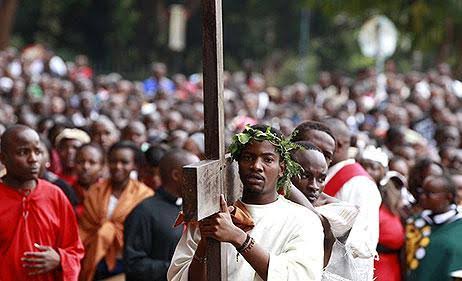
    Good Friday is more than a legal holiday. Communities organize church services, processions, and charitable outreach programs, while families gather for shared meals and cultural observances. Its recognition across multiple continents reflects the enduring integration of Christian traditions into public life.

    Easter Sunday 2026: The Spiritual Core of the Celebration

    Easter Sunday, falling on April 5, 2026, is the most significant day in the Christian calendar, celebrating the resurrection of Jesus Christ. Despite its importance, Easter Sunday is not always designated as a statutory holiday. The reasoning often lies in the fact that it already coincides with the weekly Sunday rest day, and legal systems aim to avoid overlapping holidays.

    Countries where Easter Sunday is officially recognized include Australia, Italy, Germany, Lithuania, Namibia, Poland, Portugal, Sweden, Vatican City, and Zimbabwe

    Regional territories such as Åland and Curaçao also treat Easter Sunday as a statutory holiday

    Religious communities use this day for special church services, family gatherings, and cultural activities including parades, music performances, and Easter egg hunts

    Attendance in churches typically peaks on Easter Sunday, with celebrations often extending into the afternoon and evening

    Even in countries where Easter Sunday is not a statutory holiday, communities continue cultural celebrations that maintain the spiritual essence of the festival

    Legal recognition of Easter Sunday ensures that citizens can fully engage in spiritual reflection and cultural traditions, while countries that do not designate it as a public holiday still see widespread observance through family and community practices.

    Easter Monday 2026: Extending the Observance

    Easter Monday, observed on April 6, 2026, provides additional statutory recognition and extends the Easter weekend, allowing citizens to engage in reflection, community activities, and social leisure. Many countries treat this day as a public holiday to give people more time for family gatherings, religious participation, and cultural festivities.

    Countries observing Easter Monday include the United Kingdom, Australia, Germany, Ireland, Italy, Netherlands, Nigeria, Poland, South Africa, Spain, and Sweden

    In Nigeria, Easter Monday is recognized nationally, allowing citizens to participate fully in religious and cultural events

    The United Kingdom recognizes Easter Monday as a bank holiday in England, Wales, and Northern Ireland, while Scotland has different regional practices

    Governments, schools, and businesses remain closed, facilitating participation in community outreach, family reunions, and cultural festivals

    Extended weekends, combining Good Friday and Easter Monday, support economic sectors such as tourism, hospitality, and retail, which adjust operations to the holiday period

    The extension provided by Easter Monday reflects the social and cultural importance of the Easter period, blending religious observance with practical time for family and community engagement.

    Countries That Do Not Officially Observe Easter

    Many countries, even with Christian populations, do not recognize Easter as a statutory holiday. This does not mean that communities do not celebrate Easter culturally or religiously; rather, citizens may not receive a government-mandated day off for participation.

    • The United States does not designate Easter Sunday, Good Friday, or Easter Monday as federal holidays, although some states observe Good Friday
    • India grants Good Friday as a gazetted holiday, but Easter Sunday is not recognized nationally, and Easter Monday has limited local observance
    • France culturally observes Easter Sunday but does not provide official public holidays, although certain regions may have local recognition
    • The Czech Republic treats Easter Monday as a public holiday, while Easter Sunday itself is not formally recognized
    • Many Muslim-majority countries, including Saudi Arabia, Kuwait, the United Arab Emirates, and Oman, do not include Easter in official public holiday calendars

    Even without legal recognition, cultural celebrations, church services, and family traditions continue to thrive. This demonstrates the distinction between religious observance and statutory holiday designation, showing how cultural practices can remain vibrant regardless of legal acknowledgment.

    Regional and Global Variations

    The observance of Easter 2026 varies widely, reflecting historical, cultural, and legal differences. While some countries provide statutory recognition for all three days of the Easter period, others selectively observe one or two days.

    • Australia and Italy recognize Good Friday, Easter Sunday, and Easter Monday, providing full statutory coverage
    • The United Kingdom observes Good Friday and Easter Monday, with Easter Sunday falling within the regular weekend
    • Canada treats Good Friday as statutory in most provinces, Easter Monday variably, and Easter Sunday is not officially recognized
    • Nigeria observes Easter Friday nationally while Easter Monday is celebrated culturally and religiously
    • Extended weekends, combining Good Friday and Easter Monday, support social, cultural, and economic activities while allowing for personal reflection

    Global patterns reflect a balance between religious observance and practical considerations, avoiding redundancy with weekly rest days, and accommodating regional populations with optional or local holidays.

    Leaving With This

    Easter 2026 demonstrates the complexity and diversity of public holiday observance worldwide. Statutory recognition of Good Friday, Easter Sunday, and Easter Monday varies based on religion, culture, and governance, while cultural celebration remains widespread even where legal holidays do not exist. Countries such as Australia, Italy, and Nigeria exemplify comprehensive holiday recognition, whereas countries such as the United States and France show selective or limited acknowledgment.

    Understanding the global landscape of Easter 2026 reveals how governments, communities, and individuals balance religious observance with economic, social, and legal considerations. The Easter period continues to serve as a time for spiritual reflection, family cohesion, and cultural celebration, highlighting the enduring significance of this festival in societies around the world.

  • The unfolding Story of U.S. Missionary Alex Barbir in Nigeria – From Humanitarian Work to Documenting Christian Killings

    The unfolding Story of U.S. Missionary Alex Barbir in Nigeria – From Humanitarian Work to Documenting Christian Killings

    A name has been echoing across social media, news platforms, and religious networks, stirring discussion, admiration, and controversy in equal measure. Whenever news of violence emerges from Nigerian States, Alex Barbir seems to appear almost instantly, documenting destruction, speaking with survivors, and capturing moments that most outsiders would never witness.

    His presence sparks questions and debates that travel far beyond the communities directly affected, drawing the eyes of international observers, religious groups, and concerned citizens alike. Who is he, and what drives him to insert himself into situations many would avoid at all costs? How does his work influence the way the world perceives these attacks, and why does it inspire both trust and suspicion in equal measure?

    The story behind Alex Barbir is layered, filled with tension, complexity, and moments that challenge easy explanation, and the full picture remains largely hidden from public view.

    Early Life and Background

    Alex Barbir was born and raised in the United States, living a life that combined academics, sports, and religious exposure. From a young age, he displayed a disciplined and competitive nature, which found expression in American football, where he played as a field-goal kicker. The sport taught him precision, patience, and perseverance, traits that later translated into his meticulous approach to humanitarian work. He eventually chose to leave behind the possibility of a sports career to pursue religious and humanitarian purposes, a decision guided by his deep evangelical faith. Barbir attended Liberty University in Virginia, a conservative Christian institution with a global focus on missionary work, leadership, and service. While in college, he immersed himself in volunteering for domestic and international relief programs, an experience that planted the seeds for his later work in conflict zones abroad.

    Barbir’s faith has remained central to his identity. As an evangelical Christian, he subscribes to a worldview that emphasizes personal sacrifice, advocacy for persecuted communities, and proactive engagement in humanitarian crises. His decision to establish a nonprofit organization, Building Zion, was influenced by a combination of these personal convictions and his desire to translate faith into actionable support for those in dire need. The organization later serve as the primary vehicle for his work in Nigeria, enabling him to operate in areas often considered too dangerous for most international aid workers.

    Founding Building Zion and Its Mission

    Building Zion was created as a humanitarian organization with a focus on restoring communities devastated by violence, particularly Christian populations in Nigeria’s Middle Belt. The organization operates under the principles of direct action, rapid response, and faith-driven advocacy. Its stated mission is threefold: rebuild homes destroyed during attacks, provide humanitarian aid to displaced communities, and raise international awareness of ongoing violence.

    Barbir has overseen projects in partnership with other evangelical groups such as Equipping the Persecuted, particularly in Benue and Plateau States. One of Building Zion’s first major initiatives came after the June 2025 Yelwata massacre, where Barbir’s team rebuilt thirty-five homes for families left homeless by the attack. Beyond reconstruction, the organization coordinates relief materials, including food, clothing, and school supplies, while also documenting conditions on the ground through social media and online reporting. The organization’s focus on visibility and immediate storytelling distinguishes it from traditional NGOs, allowing it to draw attention quickly and sometimes ahead of formal media coverage.

    Motivation for Relocating to Nigeria

    Barbir has consistently cited the underreported violence against Christian communities in Nigeria as the primary reason for his relocation in 2025. He stated in interviews that reports of villages being attacked, homes burned, and families displaced compelled him to witness the situation personally. A lack of consistent international attention to these crises heightened his sense of urgency.

    Upon arrival, Barbir visited multiple affected communities in Plateau and Benue States, documenting firsthand the devastation left in the wake of attacks. His presence was not ceremonial; he directly engaged with survivors, attended burials, and recorded the destruction of homes and churches. This immersive approach allowed him to present an unfiltered narrative, making his work both compelling and controversial. Barbir’s willingness to enter conflict zones ahead of journalists or official investigators became a hallmark of his method, and it is one reason why his name quickly trends whenever violence occurs.

    Documenting Violence on the Ground

    Barbir’s role in Nigeria is a combination of humanitarian aid, field reporting, and missionary engagement. He often arrives at sites of violence within hours or days of attacks, documenting destruction and capturing testimonies from survivors. His videos show burned homes, attacked churches, grieving families, and displaced children, creating highly emotive content that spreads rapidly online.

    The platforms he uses, including Instagram, X, and YouTube, amplify his reach. His reporting is raw and immediate, often shared before mainstream media outlets can confirm the events. This strategy has positioned Barbir as a hybrid between a humanitarian worker and a citizen journalist, allowing him to influence both domestic and international discourse around violence in the Middle Belt. While supporters celebrate his dedication and bravery, critics caution that such immediate reporting can sometimes oversimplify complex situations or spread unverified information.

    The Yelwata Massacre: Breakthrough Moment

    The Yelwata massacre in Benue State on June 13 and 14, 2025, marked a turning point in Barbir’s prominence. During this attack, over one hundred armed assailants stormed the community, burning homes and killing more than one hundred and fifty people, according to court records. Barbir arrived months later, documenting the aftermath and coordinating the reconstruction of thirty-five homes.

    His footage showed devastated families, destroyed structures, and emotionally charged rebuilding ceremonies. The international evangelical community took notice, recognizing Barbir as a foreign missionary willing to enter dangerous regions for humanitarian purposes. He framed the massacre as part of a larger trend of Christian persecution, using language such as ethnic cleansing and genocide, which attracted global attention but also sparked debate over the accuracy and framing of his claims.

    Controversial Claims: Christian Genocide

    Barbir consistently frames the violence in Nigeria as Christian persecution and, in some instances, genocide. He attributes attacks primarily to Fulani armed groups and jihadist ideology, a framing that resonates with some Western evangelical and conservative political circles.

    Critics argue that this perspective oversimplifies a multifaceted conflict. Analysts point to land disputes, climate-driven migration, banditry, and inter-ethnic competition as central drivers of violence, affecting both Muslim and Christian communities. Barbir’s emphasis on religious targeting has fueled controversy because it clashes with reports from security agencies and independent observers who describe the Middle Belt violence as complex, communal, and driven by multiple factors. The debate over whether these incidents constitute genocide or targeted religious attacks remains unresolved, placing Barbir at the center of a contentious international discourse.

    Viral AI Video Controversy in 2026

    In early 2026, Barbir’s profile rose further after an AI-generated video appeared to show former U.S. President Donald Trump visiting homes rebuilt by Building Zion. The video went viral, drawing attention from global media and social platforms. Fact-checkers confirmed that the footage was fabricated and that Trump had never visited Nigeria.

    This incident exemplified the challenges of misinformation surrounding Barbir’s work. While it increased visibility for his organization, it also prompted skepticism and criticism from those concerned about the accuracy of his reporting and the potential for manipulation of public perception. Despite this controversy, Barbir continued his on-the-ground work, demonstrating his commitment to documenting and assisting affected communities.

    Criticism of Nigerian Authorities

    Barbir has been openly critical of Nigerian government officials and institutions. After the Yelwata massacre, he alleged that his team had proposed rebuilding the local market for sixty million naira, only to be blocked by officials who later demanded three hundred million naira for the same project. These statements drew ire from local authorities but reinforced his image among critics of government corruption and inefficiency.

    He has also criticized President Bola Tinubu directly, accusing the federal government of failing to protect vulnerable Christian communities in Plateau and Benue States. Barbir has demanded accountability and action, framing inaction as both a moral and political failure. These criticisms have heightened his visibility and influence internationally but have also attracted allegations of overstepping diplomatic boundaries and inflaming domestic tensions.

    Relationship with Local Churches

    Barbir maintains close working relationships with pastors, Christian advocacy groups, and church networks in Plateau and Benue States. These partnerships provide access to affected communities, logistical support, and guidance in coordinating relief efforts. Local clergy often host him, accompany him to attack sites, and facilitate connections with survivors.

    Supporters argue that these relationships enhance the effectiveness and speed of his humanitarian response. Critics, however, contend that his alignment with specific religious groups reinforces a singular narrative of the conflict as Christian versus Muslim, which could inadvertently intensify tensions in already volatile areas.

    Role in International Awareness and Policy

    Barbir’s videos and advocacy have influenced discussions beyond Nigeria. His documentation of attacks and his framing of incidents as religiously motivated have circulated in U.S. political circles and international religious freedom campaigns. These reports have contributed to debates over whether Nigeria should be designated as a country of particular concern for religious violence.

    While his work brings attention to neglected communities, it has also raised questions about the potential consequences of framing a complex crisis in narrowly religious terms. Barbir’s reporting has, intentionally or not, shaped perceptions that can influence international policy and humanitarian intervention decisions.

    The Jos Attack: March 29–30, 2026

    A Palm Sunday night attack in Jos North, Plateau State, particularly affected the communities of Angwan Rukuba and Eto Baba. Gunmen reportedly targeted residential areas, shooting residents and setting homes ablaze. Police confirmed twelve to fourteen deaths, while other sources suggested higher casualty numbers. Barbir was among the first to publish videos and statements online, reporting ten Christian deaths, and showing footage of bodies, grieving families, and destroyed homes.

    His rapid coverage preceded international media reporting and framed the attack as part of a broader anti-Christian campaign. He criticized President Bola Tinubu and the federal government, calling for immediate protection of communities and stronger enforcement against impunity. Barbir’s early reporting ensured that the Jos attack gained global attention, illustrating how his presence and framing can amplify a local tragedy into an international story.

    Controversies Around Casualty Figures and Framing

    Barbir’s casualty figures often differ from official reports, a pattern repeated in Jos, Yelwata, and other incidents. Supporters interpret discrepancies as evidence of hidden deaths and underreporting by authorities, while critics accuse him of exaggeration and oversimplification. His framing of attacks as religiously motivated, rather than communal or resource-driven, remains the most debated aspect of his work.

    Barbir has used these incidents to advocate for community self-defense, arguing that when governments fail, local populations must protect themselves. Observers warn that such rhetoric, while intended to empower, could escalate cycles of retaliation in already tense regions.

    Safety and Security Concerns

    Operating in Benue and Plateau States exposes Barbir to extreme risk. Armed herder militias, bandits, and extremist groups remain active in these areas, and foreign nationals are typically advised to avoid travel there. Despite these warnings, Barbir has continued on-the-ground work, demonstrating a commitment that supporters call heroic and critics describe as reckless.

    His proximity to attack sites has fueled speculation about foreign intelligence connections or political agendas, although no evidence has substantiated such claims.

    Current Status and Influence as of March 2026

    By March 2026, Barbir continues his operations in Nigeria, posting updates from Plateau and Benue, coordinating rebuilding projects, and fundraising for affected communities. His content continues to spread rapidly online, often shaping the narrative before official reporting or verification occurs. He remains a highly polarizing figure, simultaneously lauded as a humanitarian and whistleblower, and criticized as an oversimplifier who inflames religious tensions and challenges state authority.

    Barbir’s ongoing work illustrates a larger narrative about international involvement in local crises, the role of citizen journalists in shaping public perception, and the complex intersection of faith, politics, and humanitarianism in conflict zones. His influence demonstrates how individual actors, through persistent presence and compelling documentation, can alter global attention toward issues that might otherwise remain marginalized.

  • CONTEXT: What Nigerians should know about the rising US–Iran conflict and its local effects

    CONTEXT: What Nigerians should know about the rising US–Iran conflict and its local effects

    Recent military exchanges between the United States, Israel, and Iran have triggered renewed tension across the Middle East, raising concerns about possible global economic consequences.

    The situation escalated after the United States and Israel carried out air strikes on Iranian targets during a coordinated military operation.

    The attacks reportedly resulted in the death of Iran’s supreme leader, Ayatollah Ali Khamenei, and the chief of staff of the Iranian armed forces, Abdolrahim Mousavi.

    Members of Khamenei’s immediate family, including his daughter, grandchild, daughter-in-law, and son-in-law, were also reported killed during the strikes.

    Following the operation, Iran launched retaliatory missile attacks across several parts of the Middle East.

    Iranian forces targeted United States military bases located in the United Arab Emirates, Kuwait, Saudi Arabia, Qatar, and Oman.

    Authorities in Iran warned that the conflict could expand further and potentially draw in other regions if hostilities continue.

    Although the conflict is taking place far from Africa, economic links between global markets mean the effects may extend beyond the immediate battlefield.

    Experts say disruptions in global supply chains and energy markets could have implications for countries that depend on international trade.

    Africa’s geographical and economic links with the Middle East make the continent sensitive to developments in the region.

    The two regions lie close to each other across the Red Sea, with the narrow Bab-el-Mandeb Strait separating Djibouti in Africa from Yemen in the Middle East.

    Egypt’s Sinai Peninsula also connects Africa and the Middle East through a land corridor, creating a bridge between the two regions.

    The professor of history, Toyin Falola, said geopolitical tensions in the Middle East could affect Africa in several ways.

    “This is going to affect Africa. If people think this will not affect them, then they do not understand how geopolitics works,” Falola said.

    “Where Iran is located in its region is connected to Africa. Dubai is a hub; it has closed its airport since the attack on Iran.”

    Another factor drawing attention is the Strait of Hormuz, a strategic waterway that links the Persian Gulf with global shipping routes.

    The narrow passage is a key route for crude oil shipments and other commodities transported between Asia, the Middle East, and other continents.

    Analysts estimate that millions of barrels of crude oil move through the strait each day, representing a large portion of global oil supply.

    Because of the importance of this corridor, disruptions to shipping could affect international energy markets.

    Oil prices have already responded to the tension, reflecting fears of supply interruptions in the Middle East.

    Brent crude rose from about seventy-two dollars per barrel on February 28 to eighty-five dollars per barrel on March 3 as the crisis intensified.

    Energy facilities in the region have also been affected by safety shutdowns and damage linked to military attacks.

    The state-owned energy company of Qatar, QatarEnergy, temporarily halted liquefied natural gas production after Iranian strikes affected operational facilities.

    Saudi Aramco also suspended activities at the Ras Tanura oil refinery after debris from a drone attack triggered a fire in the area.

    These developments highlight the vulnerability of global oil infrastructure during periods of geopolitical instability.

    For African countries that rely heavily on imported fuel, rising oil prices can translate into higher domestic costs.

    Countries such as South Africa, Ethiopia, and Kenya could face increased pressure because they depend significantly on fuel imports.

    Nigeria, however, occupies a different position because it remains one of Africa’s major crude oil producers.

    The petroleum engineer and policy expert, Joe Nwakwe, said the conflict could influence global oil supply and market pricing.

    “Depending on the scale and duration of these disruptions, a near-term hike in the price of oil and its derivatives is not unexpected,” he said.

    Nwakwe explained that higher oil prices could increase export earnings for oil-producing countries.

    For Nigeria, the development could translate into higher foreign exchange inflows and stronger government revenue from crude exports.

    Additional earnings may also increase allocations distributed to states and local governments through the federation account.

    However, experts caution that Nigeria’s ability to benefit depends on its level of crude production and operational stability.

    Analysts say that without consistent production levels and secure oil facilities, the country may not fully benefit from price increases.

    Global trade flows may also experience disruptions as shipping companies reassess routes passing through the Middle East.

    Several international shipping firms have reportedly suspended operations across the Strait of Hormuz and parts of the Suez Canal.

    The shipping corridor carries about twenty million barrels of oil daily and supports a large share of global maritime trade.

    Around twenty percent of global liquefied natural gas and more than ten percent of maritime cargo move through this channel.

    Shipping companies including CMA CGM and Hapag-Lloyd have introduced additional surcharges to account for higher security and operational risks.

    These surcharges may raise the cost of transporting goods across global markets, including imports destined for Africa.

    The head of financial institutions ratings at Agusto & Co, Ayokunle Olubunmi, said the development may affect trade costs for African importers.

    He explained that higher freight charges could increase the price of imported goods and place additional pressure on consumers.

    Rising oil prices may also influence inflation levels across several African economies.

    When fuel becomes more expensive, transportation and manufacturing costs often rise across supply chains.

    This situation can lead to increases in the prices of food, household goods, and other basic items.

    Nigeria’s downstream sector has already reacted to developments in the Middle East energy market.

    The Dangote refinery recently increased its ex-gantry petrol price to eight hundred and seventy-four naira per litre.

    Changes in refinery prices often affect pump prices and transportation costs across the country.

    Olubunmi said increases in fuel prices could push inflation higher and weaken the purchasing power of households.

    The chief executive officer of the Centre for the Promotion of Private Enterprise, Muda Yusuf, also noted that the most immediate risk lies in inflation transmission.

    “With purchasing power already fragile, sustained increases in fuel prices could intensify cost-of-living pressures and deepen poverty levels,” Yusuf said.

    Nigeria’s headline inflation rate had recently eased to 15.1 percent in January according to the National Bureau of Statistics.

    Currency markets may also respond to developments connected to global energy prices.

    Yusuf explained that higher crude prices could improve Nigeria’s external balance and support foreign exchange supply.

    “This could reduce short-term pressure on the naira and reinforce investor confidence,” he said.

    However, he warned that global uncertainty often encourages investors to move funds toward safer assets such as United States treasury securities and gold.

    Such movements can lead to capital outflows from emerging markets, including Nigeria.

    “Given Nigeria’s relatively shallow capital market and sensitivity to foreign portfolio investment, volatility in global financial conditions could offset part of the FX gains from higher oil prices,” Yusuf said.

    For ordinary Nigerians, the most visible impact of the conflict is likely to appear through changes in fuel prices and transportation costs.

    Higher petrol prices can raise the cost of moving goods across the country and affect food prices in local markets.

    Experts also note that international travel and imported products may become more expensive if shipping and aviation costs rise.

    Analysts say government policy responses will influence how strongly these effects are felt within the domestic economy.

    Nwakwe suggested that revenue earned from higher oil prices should be managed carefully rather than treated as a temporary windfall.

    He advised that stronger fiscal buffers could help authorities manage fuel costs and maintain economic stability if disruptions continue.

  • How Oluwo of Iwo openly challenged Trump over Iran War

    How Oluwo of Iwo openly challenged Trump over Iran War

    On February 28, 2026, the global political climate shifted with stunning force following reports that Iran’s Supreme Leader, Ayatollah Ali Khamenei, had been killed amid the escalating confrontation involving the United States, Israel, and Iran. Within hours, emergency security meetings were convened across major capitals, oil prices surged sharply in early trading on March 1, 2026, and several international airlines began rerouting or suspending flights through sensitive Middle Eastern airspace. Governments issued advisories, markets reacted to uncertainty, and the fear of a wider regional war began to settle over diplomatic circles.

    In Nigeria, thousands of miles from Tehran and Washington, a traditional monarch made a statement that cut through the noise of official communiqués and military briefings. Oba Abdulrosheed Akanbi, the Oluwo of Iwo in Osun State, publicly addressed sitting United States President Donald Trump, challenging both the moral foundation and strategic direction of American involvement in the crisis.

    His intervention was direct, unapologetic, and unusually bold for a traditional ruler speaking on an active international conflict.

    February 28, 2026 and the Escalation of Conflict

    The reported killing of Ayatollah Ali Khamenei on February 28, 2026, marked one of the most dramatic turning points in Middle Eastern geopolitics in recent years. Tensions between Israel and Iran had been building for months through proxy engagements, cyber confrontations, and intelligence driven operations. The United States under President Donald Trump had reaffirmed strong strategic ties with Israel, providing diplomatic backing and reinforcing security cooperation in the region.

    Following the announcement of Khamenei’s death, Iran described the act as an assassination and vowed retaliation. Massive crowds gathered in Tehran on March 1, 2026, while Iranian officials accused foreign powers of direct aggression. Israel defended its security posture, and President Trump publicly reiterated America’s support for Israeli security interests, framing the broader conflict within the language of deterrence and national defense.

    The ripple effects were immediate. Oil benchmarks climbed in early March trading. Airlines diverted routes to avoid potential missile exchanges. Investors braced for prolonged instability. For countries like Nigeria, whose economy is deeply connected to global oil flows, the situation carried both opportunity and risk. It was within this tense and uncertain atmosphere that the Oluwo of Iwo stepped forward.

    Moral Condemnation of the Killing

    In his statement, the Oluwo described the conflict as needless and warned that the killing of an elderly and unarmed national leader was a sin against humanity. His choice of words was deliberate and steeped in moral reasoning. Rather than debating military intelligence or security calculations, he framed the act as a violation of universal human principles.

    By emphasizing Ayatollah Khamenei’s age and status as the recognized head of a sovereign nation, the Oluwo appealed to a sense of global ethical order. In many African traditions, elders hold sacred authority and are treated with deep respect regardless of political differences. The symbolic weight of killing such a figure, he argued, goes beyond battlefield strategy and enters the realm of moral transgression.

    This framing resonated strongly in Nigeria, where religious and ethical language frequently shapes public interpretation of international events. The Oluwo did not position himself as a geopolitical analyst. He spoke as a custodian of cultural values, projecting those values onto the global stage.

    Direct Criticism of President Trump’s Position

    The most politically charged portion of the message centered on President Donald Trump’s role as the sitting leader of the United States. The Oluwo criticized Trump for openly aligning with Israel rather than positioning America as a neutral mediator capable of reducing tensions. He argued that global leadership demands impartiality, particularly in conflicts that risk spiraling into broader war.

    According to the Oluwo, taking sides in such a volatile crisis undermines America’s credibility as a stabilizing force. He suggested that influence should not be confused with force and that strength is not always demonstrated through military backing. By addressing Trump directly, he elevated his message from general commentary to pointed diplomatic criticism.

    This move was significant. Traditional rulers in Nigeria rarely engage sitting foreign presidents so openly. Yet the Oluwo framed his remarks as a plea for reflection rather than hostility. He urged President Trump to rethink his leadership approach in a moment where restraint could prevent further bloodshed.

    The Call for an Apology

    Perhaps the most striking demand in the March statement was the call for President Trump to apologize to Iran and to the international community. The Oluwo argued that it was not too late to right the wrong and that an apology could serve as a step toward de escalation. In international politics, apologies from sitting presidents are rare and often politically risky, yet he presented it as a moral necessity rather than a concession of weakness.

    He maintained that acknowledging harm does not diminish power. Instead, he suggested it can strengthen global trust and reduce the likelihood of retaliatory cycles. By extending the apology beyond Iran to the wider international community, he emphasized that the consequences of the conflict were not confined to one region.

    This appeal reflected a restorative worldview common in many African traditions, where reconciliation and public acknowledgment of wrongdoing are pathways to restoring communal balance. Transposed onto global politics, the concept becomes both symbolic and strategic.

    Warning About Economic and Human Consequences

    The Oluwo’s message also addressed tangible consequences unfolding in real time. By early March 2026, airports in parts of the Middle East had limited operations, passengers were stranded, and supply chains faced uncertainty. Oil markets were volatile, and governments worldwide were preparing contingency plans.

    He warned that the conflict could destabilize global trade routes, strain international travel, and harm economies far removed from the battlefield. Nigeria itself stood at a delicate intersection of potential oil revenue gains and broader economic instability. His warning underscored that wars between powerful nations rarely remain confined within their borders.

    Rather than speaking only in moral absolutes, he connected ethical concerns with practical realities. Ordinary families, students, and travelers were already feeling the ripple effects. The human cost, he argued, should weigh heavily in the calculations of world leaders.

    Sovereignty and Global Power

    A recurring theme in the Oluwo’s address was respect for sovereignty. He stressed that no country should be treated as though it lacks independence or legitimacy. The killing of a national leader, in his view, sends a message that powerful nations can override the political structures of others at will.

    Nigeria’s own history of colonial rule informs a deep sensitivity to issues of sovereignty and external interference. By invoking this principle, the Oluwo linked the Iran crisis to broader historical patterns of global power imbalance. His statement echoed longstanding positions within African diplomatic thought that emphasize self determination and non interference.

    This dimension of his message broadened its relevance beyond a single incident. It framed the crisis as part of an ongoing debate about how global power is exercised and whether international norms apply equally to all states.

    Philosophical Reflection on Leadership

    Toward the conclusion of his statement, the Oluwo moved from immediate events to broader reflections on leadership. He argued that peace yields more than war and that being a world power does not require constant military demonstration. True leadership, he suggested, lies in restraint, empathy, and the courage to pursue dialogue even in moments of anger.

    By challenging President Trump in this way, he positioned himself not as an adversary but as a moral interlocutor. His message carried the tone of warning and appeal combined. It asked whether global dominance is sustainable without moral credibility and whether lasting influence can be built on force alone.

    The exchange between a Nigerian monarch and a sitting United States president illustrates the increasingly interconnected nature of global discourse. In the digital age, voices from local communities can speak directly into international crises, shaping conversations that once belonged exclusively to state actors.

    Leaving With This 

    The Oluwo of Iwo’s March 2026 message stands as a remarkable moment in Nigeria’s engagement with global politics. By condemning the killing of Ayatollah Ali Khamenei on February 28, 2026, criticizing President Donald Trump’s alignment with Israel, and calling for an apology to Iran and the international community, he inserted traditional authority into modern geopolitical debate.

    Whether one agrees with his stance or not, the intervention underscores a powerful reality. In times of war and uncertainty, moral voices often emerge from unexpected places. The challenge he posed to a sitting American president was not merely political. It was philosophical, strategic, and deeply human, asking whether strength is best measured by dominance or by the courage to choose peace.

  • Bishop Oyedepo and Pastor Adeboye’s shocking predictions on wars and global tension

    Bishop Oyedepo and Pastor Adeboye’s shocking predictions on wars and global tension

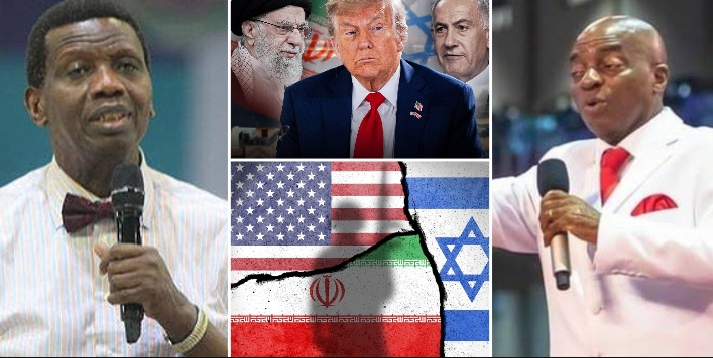
    In recent days, social media has been buzzing with old videos of Pastor Enoch Adeboye, General Overseer of the Redeemed Christian Church of God, and Bishop David Oyedepo, founder of Living Faith Church, also known as Winners Chapel, discussing war and global conflict.

    These clips are being shared widely with dramatic captions implying imminent prophecies of World War Three or warnings about current tensions between Israel and Iran. However, a closer look at the videos, their dates, and the context in which they were originally recorded reveals a different story. Both pastors were speaking in a spiritual and theological framework, emphasizing prayer, vigilance, and faith rather than issuing news-style predictions.

    Understanding what they actually said, when they said it, and why it is being circulated now requires careful analysis of each video, its content, and the social context in which they are being interpreted.

    Pastor Enoch Adeboye on World War Three

    Old Video Overview

    The first clip that has gone viral features Pastor Enoch Adeboye speaking about the possibility of a global conflict, sometimes described online as World War Three. In the clip, which was recorded earlier in the year, Adeboye mentions that he believes God revealed to him that there could be “mighty outbreaks of fire,” suggesting that a global war remains a potential threat. His message, however, is primarily spiritual rather than predictive, urging believers to pray and seek divine intervention to prevent such an occurrence.

    Exact Message

    In the video, Adeboye is heard saying:

    • God told us that there will be mighty outbreaks of fire
    • We are to pray so that the third world war will not start
    • Let us pray that the third world war never comes to pass

    This phrasing shows that his emphasis was not on specifying timelines, dates, or political maneuvers but on encouraging spiritual vigilance and communal prayer. The pastor frames war as a moral and spiritual concern rather than a literal forecast, highlighting the role of faith in preventing large-scale calamities.

    Context and Timing

    It is important to note that the video is not recent and was recorded earlier in the year, long before current geopolitical tensions between Israel and Iran intensified. The clip resurfaced because social media users connected it to modern conflicts, creating an impression of immediacy that was not intended by the pastor. Adeboye did not provide any detailed analysis of military strategy, political alliances, or potential outcomes. His focus remained theological, highlighting that prayer and spiritual dedication are means to safeguard nations from the escalation of conflict.

    Spiritual Emphasis

    Adeboye’s message is consistent with decades of preaching on faith and intervention. By framing war as a spiritual concern, he encourages believers to consider prayer and moral responsibility as tools to address global instability. This perspective underscores the importance of interpreting statements within the framework of faith rather than as literal news forecasts. The repeated resurfacing of this video illustrates the challenge of social media in contextualizing older messages, where clips are often shared out of sequence or without original intent.

    Bishop David Oyedepo on Israel and Global Conflict

    Old Video Overview

    The second clip features Bishop David Oyedepo speaking about Israel, war, and international conflict. This video, which likely dates back several years, discusses Israel’s role in warfare and technological development, focusing on historical and biblical context rather than immediate political events. In the clip, Oyedepo highlights Israel’s influence on global military dynamics, stating that Israel is a small but strategically significant country, often able to dominate in conflict situations due to technological, military, and political advantages.

    Exact Statements

    Among the notable phrases in the clip:

    • Israel is a small country but influential in global warfare and innovation
    • Israel never loses a battle

    Oyedepo also explains how nations historically align themselves in conflicts around Israel, emphasizing strategic, geopolitical, and spiritual dimensions rather than attempting to predict future wars. His statements were analytical in a theological and historical sense, rooted in biblical interpretation, and should not be taken as modern war predictions.

    Context and Timing

    The video appears to have been recorded during discussions of historic conflicts, including Israel and Palestine tensions, rather than the current Israel-Iran escalation. The resurfacing of the clip is largely due to social media users linking it to contemporary anxieties about war, creating a misleading sense of urgency. Oyedepo’s message, like Adeboye’s, is grounded in spiritual reflection and historical observation, reminding audiences of the recurring patterns of conflict and the importance of wisdom, prayer, and discernment.

    Spiritual and Theological Nuance

    Oyedepo’s discussion demonstrates the interplay of faith and geopolitics in his teachings. By emphasizing Israel’s enduring influence and military resilience, he encourages believers to understand global events from a spiritual perspective. The clip is intended to foster reflection, not panic, highlighting that nations are subject to divine oversight and that human response, through prayer and strategic moral action, is necessary to navigate conflict.

    Why These Clips Are Trending

    Resurfacing on Social Media

    Both clips have resurfaced amid heightened global tensions, particularly following conflicts involving Israel and Iran in early 2026. Social media algorithms amplify content that triggers emotional responses, often framing older statements as urgent predictions of imminent disaster. This phenomenon explains why these years-old videos are now being widely shared, sometimes with misleading captions about prophetic warnings or World War Three.

    Common Misinterpretations

    Many viewers interpret these videos as:

    • Direct prophecies about modern wars
    • Predictions of World War Three
    • Warnings that global war is inevitable

    These interpretations overlook the original spiritual context of the messages, which focused on prayer, vigilance, and theological reflection rather than literal forecasts. Adeboye and Oyedepo were not providing military intelligence or political analysis but encouraging believers to remain faithful, alert, and spiritually engaged in uncertain times.

    Implications for Public Discourse

    The viral nature of these clips highlights the importance of context in understanding statements made by religious leaders. Without proper framing, older messages can be misrepresented, fueling anxiety or panic among audiences. Both pastors consistently emphasize that prayer, ethical behavior, and reliance on God are more impactful than speculation about global events, a message that is easily lost when clips are detached from their original setting.

    Lessons from Contextual Analysis

    Not Recent Statements

    Both videos were recorded in earlier years and are being rediscovered online, which explains the mismatch between the original context and the perceived urgency by modern viewers. Recognizing the timeline is crucial in interpreting the statements accurately.

    Spiritual, Not Literal, Focus

    Neither pastor offered specific dates or detailed predictions of war. Their emphasis was on prayer, peace, and the theological understanding of conflict, guiding their audiences to spiritual readiness rather than political alarm.

    Importance of Contextual Sharing

    Social media users often strip videos of context, turning reflective, faith-oriented teachings into sensational headlines. Understanding the intention behind these messages requires careful attention to the time, audience, and purpose of the original statement.

    Both Adeboye and Oyedepo consistently encourage spiritual awareness, moral responsibility, and global peace, which should be the focus of public interpretation.

    Closing Thoughts

    The resurfacing of videos featuring Pastor Enoch Adeboye and Bishop David Oyedepo discussing war illustrates both the power of social media and the need for careful interpretation of religious messages. What may appear as alarming predictions often reflect theological reflection, spiritual guidance, and historical observation rather than literal forecasts of global events.

    As these clips circulate, the public is reminded of the importance of understanding context, appreciating the spiritual emphasis on prayer and vigilance, and recognizing the difference between commentary and prediction.

    The ongoing sharing of these videos demonstrates the lasting relevance of both pastors’ teachings, but also highlights the responsibility of audiences to engage critically, separating spiritual guidance from sensational interpretation.

  • Late TB Joshua saw the Israel–Iran War coming decades ago — What he predicted is terrifying

    Late TB Joshua saw the Israel–Iran War coming decades ago — What he predicted is terrifying

    The late T. B. Joshua remains one of the most talked about religious figures to emerge from Nigeria in the last three decades. Born Temitope Balogun Joshua on June 12 1963 in Ondo State Nigeria, he rose from modest beginnings to become the founder and spiritual leader of Synagogue Church of All Nations, widely known as SCOAN. At its peak in the 2000s and 2010s, the church drew thousands of worshippers from across Africa, Europe, Asia and the Americas, turning Lagos into a global pilgrimage site for those seeking healing, deliverance and prophetic direction.

    Joshua died on June 5 2021 at the age of 57, but years after his death his sermons and prophecies continue to resurface whenever world events appear to align with past statements. One of the most frequently revived clips concerns his warnings about tension between Israel and Iran, a message many now refer to as his prophecy on an Israel-Iran war.

    This article provides a comprehensive and fact based breakdown of what he said, when he said it, how it was framed at the time, how it resurfaced during later geopolitical escalations, and what clarifications have been issued by his ministry. It moves carefully through documented timelines, public statements and media reactions, separating verifiable information from interpretation.

    The Historical Backdrop Between Israel and Iran

    To understand why Joshua’s words drew renewed attention, it is important to examine the long standing tension between Israel and Iran. Diplomatic hostility between the two intensified after the 1979 Iranian Revolution, when Iran’s new leadership adopted a strong anti Israel position. Over the decades, disputes have centered on nuclear development, regional influence in Syria and Lebanon, and allegations of covert operations. These tensions have periodically flared into direct or proxy confrontations, especially in Syria where Israeli forces have targeted Iranian linked positions since the Syrian civil war began in 2011.

    By the early 2010s, global media frequently reported on Iran’s nuclear program and Israel’s stated determination to prevent Tehran from acquiring nuclear weapons capability. In 2012, Israeli Prime Minister Benjamin Netanyahu addressed the United Nations General Assembly and warned about red lines regarding Iran’s enrichment levels. That same year, diplomatic negotiations and sanctions dominated international headlines. It was within this broader climate of heightened rhetoric that Joshua delivered sermons referencing rising tension between the two nations.

    The Sermons Around 2011 and 2012

    Clips widely circulated online are often traced to sermons delivered around 2011 and 2012 at SCOAN headquarters in Lagos. In these messages, Joshua reportedly spoke about seeing a situation in which Israel and Iran were in a posture of mutual aggression. The phrase most commonly quoted from those clips is “I want to fight, you want to fight”, which he used to describe the atmosphere he perceived between the two governments. He urged congregants and viewers of Emmanuel TV, the church’s broadcast arm, to pray for peace.

    Importantly, the tone of those messages as seen in archived footage appears to be framed as spiritual caution rather than a dated military forecast. He did not publicly announce a specific date, battle plan or operational detail. Instead, he emphasized that prayer could alter outcomes and that the absence of prayer could allow conflict to escalate. In some excerpts he used metaphorical language, comparing previous conflicts to an atom and suggesting that a future confrontation could resemble something more elemental and devastating. The language was vivid, but it remained within the theological framework he often used in discussing global crises.

    His words;

    “War is not going to bring solution to the whole world – rather, crisis. We want God’s intervention in whatever differences between nation to nation. We pray for the nation, Iran. We pray for the nation, Israel. God’s intervention in whatever differences.

    “If this kind of fight starts, every other one you have read about is an atom; this one will be an element.”

    The Nature of Prophetic Language

    Joshua was known for using symbolic imagery when discussing political events. Throughout his ministry he spoke about elections, disasters and international tensions using a mix of direct and allegorical speech. Scholars of Pentecostal prophecy note that such language often functions as a call to repentance or intercession rather than as a fixed prediction carved in stone. Within that tradition, prophecy is frequently conditional. The idea is that prayer can avert disaster and that warnings are opportunities for change.

    This context matters when evaluating the Israel-Iran message. In the clips available online, Joshua appears to frame the situation as one that can be influenced through prayer. He does not say that war is inevitable. He suggested that continued hostility without spiritual intervention could lead to serious consequences. Supporters interpret this as responsible spiritual leadership. Critics argue that such framing is inherently flexible and can later be aligned with multiple outcomes.

    Developments After 2012

    From 2013 onward, negotiations between Iran and world powers intensified, leading to the Joint Comprehensive Plan of Action signed on July 14 2015 between Iran and the P5 plus one nations. The agreement sought to limit Iran’s nuclear program in exchange for sanctions relief. For a period, tensions appeared to ease somewhat, although mistrust remained. In May 2018 the United States withdrew from the agreement, leading to renewed sanctions and heightened rhetoric.

    Throughout these years, Joshua’s 2011 and 2012 statements did not dominate headlines. They existed primarily within religious circles and archived church media. It was only when visible military exchanges escalated in later years that older clips began circulating more aggressively on social media platforms.

    Renewed Attention in 2024 and 2026

    In April 2024, Iran launched a large scale drone and missile attack toward Israel in response to an alleged Israeli strike in Damascus. Israel intercepted many of the projectiles with the assistance of allied defense systems. Global news coverage was intense, describing the event as one of the most direct confrontations between the two states in recent history. As footage of missiles filled television screens, social media users began reposting Joshua’s old sermon clips, claiming he had foreseen the crisis more than a decade earlier.

    In 2026, further exchanges and proxy tensions in the region once again revived discussion. Articles and blog posts carried headlines suggesting that an old prophecy had resurfaced. The framing often implied a direct correlation between his words and current events. However, many of these articles relied on the same recycled video excerpts rather than new documentation. The sense of rediscovery was fueled more by timing than by newly uncovered evidence.

    Renewed Attention and the U.S.-Iran-Israel War of 2026

    By early 2026 tensions between Israel and Iran escalated into open warfare, drawing in the United States in a way that transformed a long standing rivalry into a full scale international confrontation. In February 2026 coordinated strikes targeted Iranian military infrastructure and nuclear linked facilities, with American forces supporting Israeli operations through direct military engagement and strategic defense coordination. What had once been proxy battles and covert operations shifted into overt battlefield exchanges, with missiles and drones launched across borders and U.S. bases in the Gulf region coming under threat.

    Iran responded with retaliatory attacks on Israeli territory and on American military installations in parts of the Middle East, widening the conflict beyond a simple bilateral clash. Regional airspace disruptions, rising oil prices and emergency diplomatic meetings reflected how quickly the war affected global stability. The scale of confrontation in 2026 marked one of the most serious military escalations in the region in decades, turning what had been years of rhetoric and shadow conflict into visible and sustained warfare.

    It was within this atmosphere of real time bombardment and geopolitical uncertainty that old clips of TB Joshua’s warnings about tension between Israel and Iran resurfaced once again. Supporters viewed his earlier call for prayer as strikingly relevant in light of a war now involving major powers, while critics maintained that decades of hostility had already made such conflict foreseeable. The outbreak of direct war in 2026 did not merely revive his words, it amplified them, placing past spiritual warnings beside unfolding global crisis.

    Official Clarifications From SCOAN

    After Joshua’s death in June 2021, SCOAN leadership under Pastor Evelyn Joshua continued to address public interest in his prophecies. In various statements and posts, the church clarified that he did not prophesy a third world war. They emphasized that his message was a call to prayer for peace. According to their communications, portraying his words as a definitive prediction of global war misrepresents his intention.

    The church has maintained that prophecy should be understood within a spiritual lens rather than as political forecasting. They argue that isolating one phrase from a longer sermon can distort meaning. This position has been repeated in response to viral posts claiming he predicted a specific Israel Iran war scenario. The absence of a single official written transcript widely distributed by the church means that interpretation often depends on video context and selective quoting.

    Media Coverage and Interpretation

    Mainstream media outlets that have reported on the resurfacing of Joshua’s message typically adopt a cautious tone. They note that clips are circulating and that supporters see them as prophetic confirmation. At the same time, they often include disclaimers about the lack of precise dates or detailed predictions. Fact checkers point out that geopolitical tensions between Israel and Iran have been ongoing for decades, making warnings about possible conflict less specific than they might appear in hindsight.

    This dynamic highlights a broader phenomenon in media culture. When conflict erupts, audiences search the past for signs and warnings. Religious figures with recorded sermons provide rich archives for this process. Statements that once seemed general can take on sharper meaning when viewed through the lens of breaking news.

    Elements Behind Belief

    For many of Joshua’s followers, the resurfacing of his words is not merely about politics. It is about reassurance that their spiritual leader possessed divine insight. His ministry emphasized healing, prophecy and personal transformation. Believers often recount testimonies of predictions they believe came to pass in their own lives. Against that backdrop, a warning about international tension feels consistent with his perceived spiritual authority.

    On the other hand, skeptics view the situation differently. They argue that warnings about conflict in the Middle East are not unusual given the region’s history. From their perspective, the language I want to fight you want to fight reflects observable diplomatic hostility rather than supernatural foresight. The debate therefore becomes less about a single clip and more about competing worldviews regarding prophecy itself.

    The Power of Timing and Memory

    Memory is rarely neutral. When footage from 2011 resurfaces during a 2026 missile exchange, the emotional impact is amplified by fear and uncertainty. The mind connects past speech with present anxiety. This pattern is not unique to Joshua. Throughout history, statements by religious and political leaders have been reinterpreted after major events. The difference in the digital age is speed. Clips circulate globally within hours, detached from their original context.

    Joshua’s Israel-Iran message fits squarely into this modern cycle of rediscovery. The fact that he delivered it during a period already marked by nuclear tension adds plausibility. The absence of a concrete timeline allows broad application. Both factors contribute to why the clip continues to resurface.

    Separating Documentation From Interpretation

    What can be stated with confidence is that around 2011 and 2012 Joshua spoke about rising tension between Israel and Iran and urged prayer for peace. Archived video supports that claim. It can also be stated that direct military exchanges occurred between the two nations in April 2024 and that tensions remained high into 2026. Those are documented events reported by international media.

    What cannot be stated with equal certainty is that he predicted a specific war with defined characteristics or dates. The language available does not include operational details. It does not outline troop movements or identify a particular year of outbreak. It remains within the realm of spiritual admonition. Recognizing this distinction helps ground discussion in verifiable facts.

    Reflection for Religious Prophecy

    The conversation surrounding Joshua’s message reflects a larger global pattern. In times of crisis, societies revisit prophetic archives. Whether in Christianity, Islam or other traditions, apocalyptic language often gains traction during conflict. The Israel Iran tension carries symbolic weight in many religious narratives, particularly those concerning end times theology. As a result, statements touching on that region naturally attract attention.

    Joshua’s ministry operated within charismatic Christianity, which places strong emphasis on contemporary prophecy. His international audience meant that comments about global politics reached beyond Nigeria. That global reach explains why his words are now debated far from Lagos.

    Legacy and Continuing Debate

    Since his passing on June 5 2021, assessments of Joshua’s life have grown more complex. Admirers remember large humanitarian outreach programs and televised healing services. Critics point to controversies including the 2014 building collapse at the SCOAN guesthouse that killed 116 people, an event that drew international scrutiny. His legacy therefore contains both devotion and dispute.

    The Israel-Iran prophecy discussion sits within that broader legacy. For supporters, it reinforces belief in his spiritual insight. For skeptics, it exemplifies the elasticity of prophetic language. For observers, it provides a case study in how memory, media and faith intersect during geopolitical turmoil.

    Final Thoughts: Between Warning and Fulfillment

    The story of T B Joshua’s message about Israel and Iran is less about a single sentence and more about the interplay between faith and unfolding history. Around 2011 and 2012 he warned of rising tension and urged prayer. In February 2026, direct hostilities captured global headlines. Social media bridged the gap between those moments, presenting old footage as renewed evidence.

    Whether one views his words as prophecy fulfilled or as broadly framed spiritual caution depends largely on prior belief. What remains undeniable is the power of recorded speech to travel across time. In an era where sermons are archived indefinitely, every warning carries the potential to reappear under new circumstances. Joshua’s Israel Iran message endures not because it offered military specifics, but because it touched on a fault line that the world continues to watch with concern.