Category: Politics

Nigeria Politics, news on Nigerian Politicians, all Nigerian political parties: All Progressives Congress (APC), People’s Democratic Party (PDP), APGA, Labour Party and others

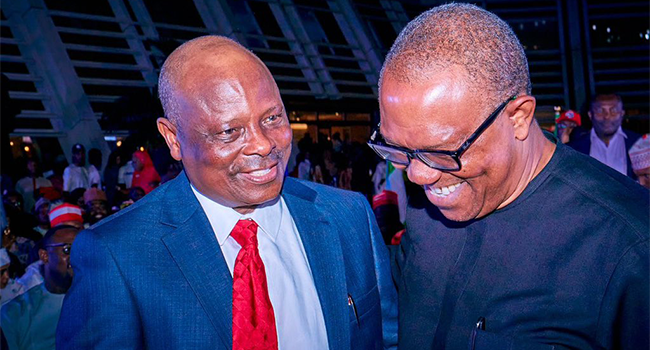
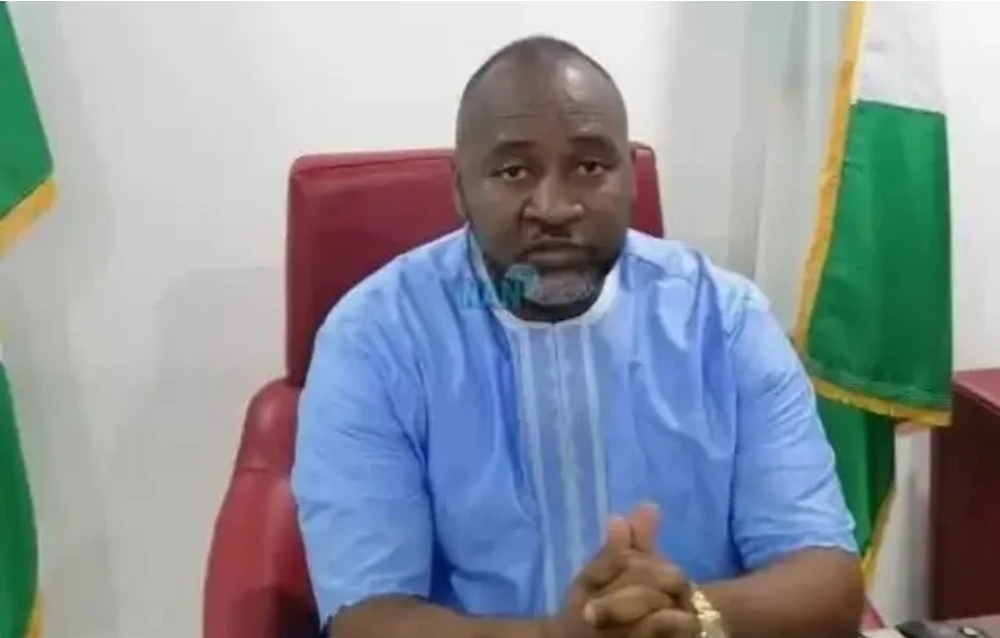
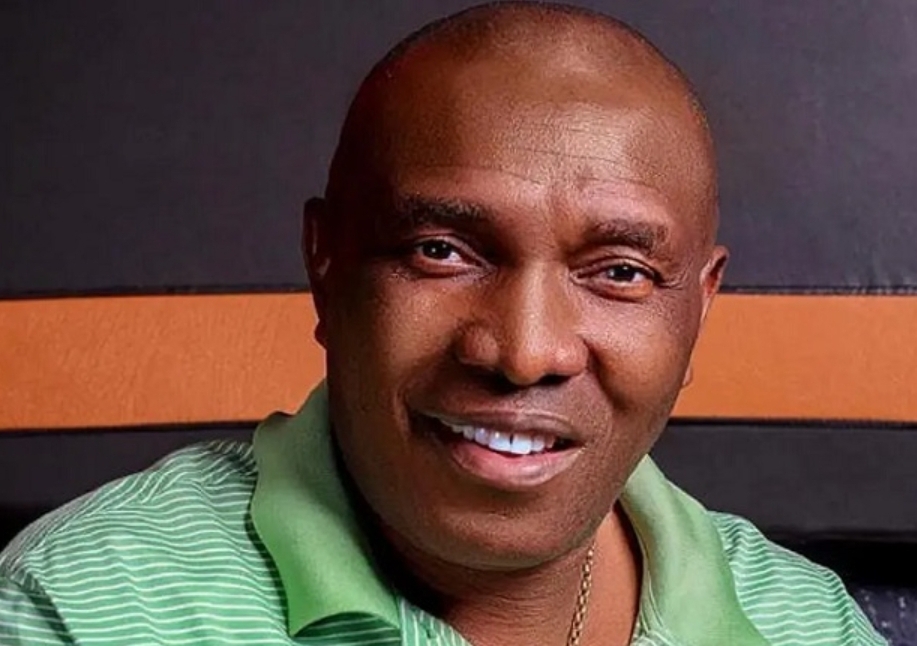
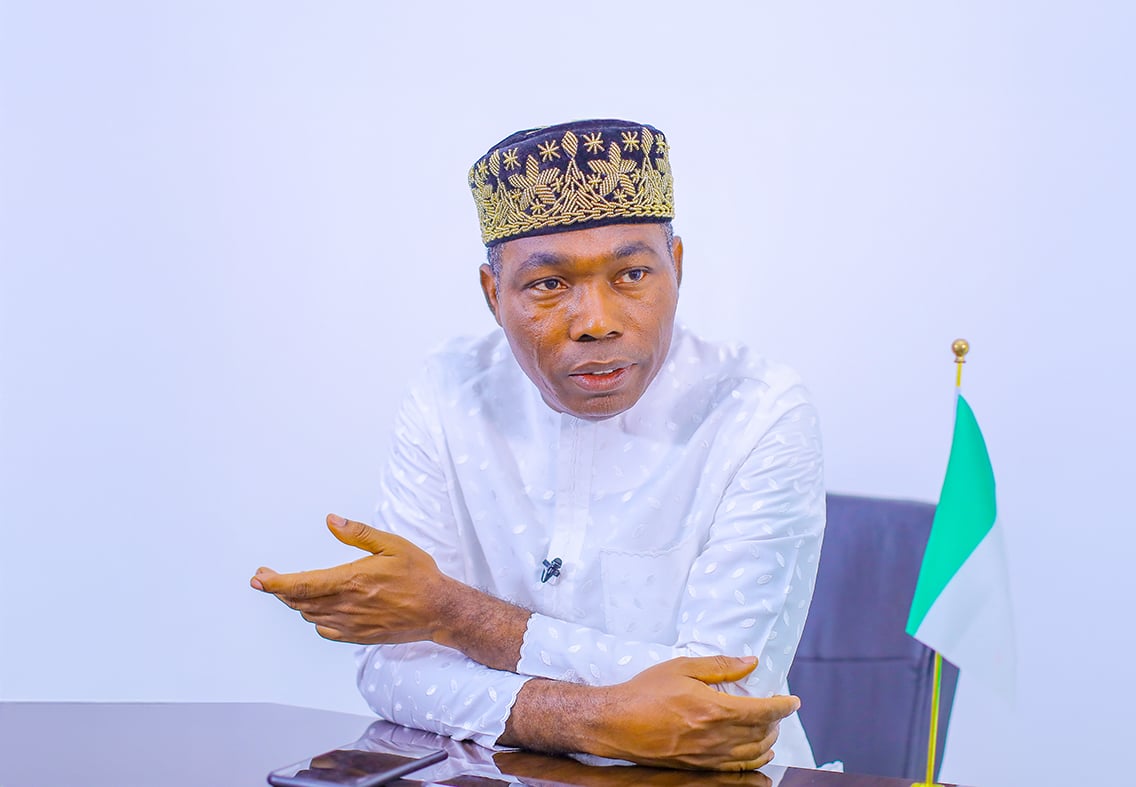
  • From Friend To Foe: Inside Rift Between Kenneth Okonkwo And Peter Obi

    From Friend To Foe: Inside Rift Between Kenneth Okonkwo And Peter Obi

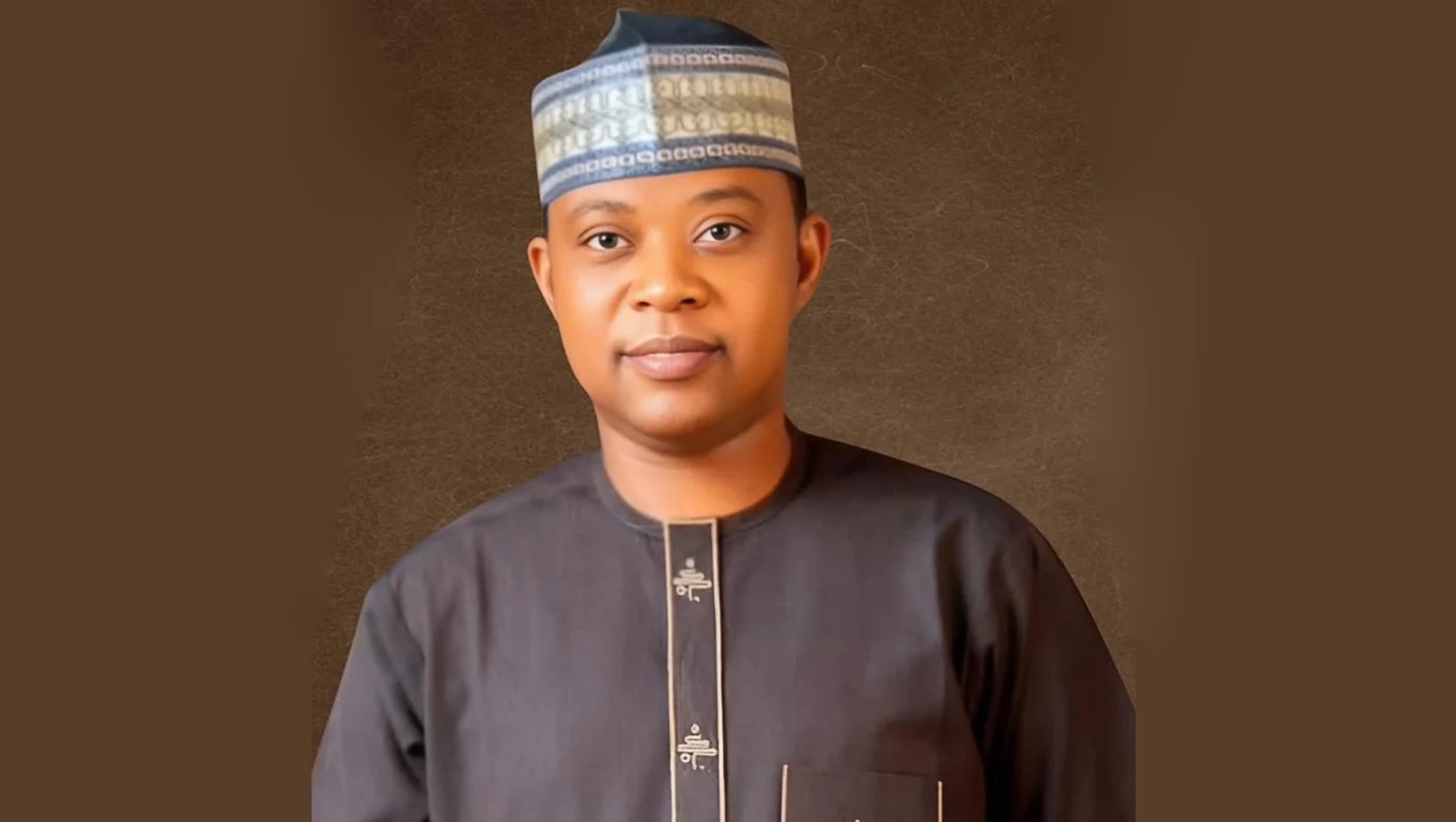
    The current political rift between the ace Nollywood actor turned politician, Kenneth Okonkwo and his principal, Peter Obi has become one of the major political discourse in the country.

    From what seemed like a little misunderstanding, the misunderstanding, the situation has degenerated into legal battle with the former Labour Party presidential candidate slamming Mr. Okonkwo with N5b law suit over an allegation of defamation.

    WITHIN NIGERIA takes a look at the beginning of their rosy days and what actually led to the present situation.

    Appointment as campaign spokesperson

    On October 14, 2022, Kenneth Okonkwo, emerged as one of the spokespersons for the Labour Party’s presidential candidate, Peter Obi.

    Okonkwo was appointed following a rigorous and tortuous selection process  of who became the mouthpiece of the party presidential candidate that was seen as the most formidable opposition party.

    When the official lists of names were released on Wednesday, and the Nollywood actor made the presidential campaign council as Spokesperson for the South-East zone.

    Delighted by the announcement, the actor took to Instagram to make the announcement about his appointment.

    “Kenneth Okonkwo appointed as Spokesperson for Peter Obi Presidential Candidate Council. I give thanks to God almighty for this appointment.

    “I give special prayer to God for wisdom to carry on the onerous task of this appointment.

    Okonkwo: Accuses Obi of corruption

    “More importantly, my special love and thanks to all the Obidient family for your prayers, love and support for this appointment. God bless you all”, Okonkwo wrote.

    The beginning of their feud

    The fallout between Kenneth Okonkwo and Peter Obi began in 2024 when Okonkwo accused Obi of failing to clean up the Labour Party (LP) and lacking internal democracy.

    In any case, it was reported that Okonkwo publicly criticized Obi for realigning with the Julius Abure-led faction of the Labour Party.

    Okonkwo stated that Obi ignored his advice to sever ties with the faction, claiming this “betrayed” the integrity movement they built.

    The rift worsened when allegations emerged from Obi’s camp claiming Okonkwo’s frustration stemmed from unmet personal financial demands, particularly for house rent.

    Okonkwo fired back, claiming it was he who funded his own travel and hotel expenses while working for Obi.

    In one of his live broadcasts, a public intellectual and political analyst, Dr. Katch Ononuju explained that the friction between Mr. Obi and Okonkwo was as a result of issue of house rent in Abuja.

    According to Dr. Ononuju, the private dispute began when Okonkwo approached Peter Obi with a financial request for assistance to rent a duplex apartment within the Federal Capital Territory (FCT).

    Obi, whose public persona is heavily anchored on frugality and institutional cost-cutting, reportedly declined the luxury request, advising the actor to live within his means.

    Ononuju stated that Obi suggested Okonkwo secure a standard flat instead of an expensive duplex to keep his overhead costs manageable.

    It was gathered that this refusal deeply offended the veteran actor, leading to immediate administrative friction within the campaign hierarchy.

    “He said he wanted to rent a duplex, and Peter told him to start with a flat to cut down costs,” Ononuju stated during the interview. “What brought trouble between him and us? Penny. Money to rent a house.”

    Okonkwo’s Defection to Atiku’s Camp

    The political analyst further alleged that following Obi’s refusal, an aggrieved Okonkwo severed his ties with the Labour Party apparatus and realigned himself with the political family of the Peoples Democratic Party (PDP) presidential candidate, Alhaji Atiku Abubakar.

    However, in a twist of events, Ononuju revealed that despite switching camps to secure the accommodation funds, the former Vice President did not grant the actor the luxury duplex he sought.

    Instead, Atiku’s camp provided the exact financial equivalent of a flat—the very recommendation Obi had originally made.

    “When he met Atiku, he talked to Atiku. Atiku was sweet, nice, and told him he would do it,” Ononuju alleged. “But Atiku still gave him money for a flat, not the duplex.”

    Prior to these financial disclosures, Okonkwo had framed his departure from the Labour Party around ideological differences.

    In several public statements, the actor heavily criticized Peter Obi, accusing him of lacking the political grit, decisiveness, and administrative willpower required to resolve internal party crises or lead a national opposition movement.

    Okonkwo had claimed that Obi’s management style was passive, arguing that the former Anambra State governor was unable to protect his supporters or offer a clear, aggressive roadmap to capturing power from the ruling All Progressives Congress (APC).

    In response to his continuous public criticisms, elements within the Labour Party leadership dismissed Okonkwo’s posture, describing him as a political jobber seeking personal relevance rather than systemic change.

    Neither Kenneth Okonkwo nor the media team of Alhaji Atiku Abubakar has issued a formal rebuttal regarding Dr. Ononuju’s specific claims.

    Okonkwo accuses Obi of corruption

    On Monday, June 8, 2026, Okonkwo accused Obi of corruption in the newly allied Nigeria Democratic Congress, NDC.

    In a live interview on Channels Tv morning programme, Okonkwo claimed that House of Representatives candidates of the party were made to pay N10m each as a bribe for their ticket.

    Obi: Slams Okonkwo with N5b law suit

    Okonkwo cited Obunike Ohaegbu, an NDC House of Representatives aspirant for the Nnewi North/South/Ekwusigo Federal Constituency as source of his claim.

    “In all honesty, I cannot even say everything this man told me about Peter Obi just to preserve the remaining of Peter Obi’s tattered image.

    “Indeed, I asked him a question when we were discussing orally, ‘are you telling me that Peter Obi is the head of this criminal gang that defrauded you people? ’ He answered ‘Peter Obi is the head, stomach, and feet of the criminal gang.”

    To prove his claims regarding the illegal financial demands, Okonkwo highlighted a public statement from the party, explaining that when Ohaegbu questioned the NDC on who authorized the extra 10 million Naira fees for House of Representatives seats and 20 million Naira fees for Senate seats, the national secretariat directed them back to Obi’s state caucus.

    “Obunike Ohaegbu, when I questioned him to prove that Peter Obi was responsible for demanding the N10m from him and other HOR aspirants and N20m from the Senate aspirants, he made it clear that when he confronted the Party on who authorised the payment, the party named Peter Obi and the caucus leaders who were assembled by Peter Obi.”

    Okonkwo cited earlier policy clarifications made by Senator Seriake Dickson, who maintained that political aspirants are legally required to pay solely for Expression of Interest forms.

    “Let me make it clear that as a citizen and a Lawyer, I have a duty to disclose every crime against the state that comes within my knowledge… The appropriate security agencies and anti-corruption agencies should immediately commence the investigation of this fraud by NDC and its leaders with a view to refunding the aspirants who were defrauded.

    According to Obunike Ohaegbu, Peter Obi is at the head of this fraud, according to NDC, and he must be investigated. ”

    Though Obunike Ohaegbunhas since denied the allegations and claims linked to him by Mr. Okonkwo, Peter Obi did not take these allegations lying down.

    Obi slams Okonkwo N5b suit, demands apology

    Few hours after the interview, Peter Obi slammed Okonkwo with N5b suit, demanding a public apology from him.

    Obi has demanded N5 billion in damages and a public apology from actor-turned-politician Kenneth Okonkwo over alleged defamatory statements made during the Channels Tv interview.

    In a letter dated June 9, 2026, Obi’s lawyers, led by Alex Ejesieme (SAN), accused Okonkwo of making false, malicious and defamatory allegations against their client during an appearance on Channels Television’s Sunrise Daily programme on Monday, June 8.

    His legal team said the remarks were subsequently published and circulated by several media organisations and online platforms.

    According to the letter, Okonkwo allegedly claimed that “Obi, together with the leaders of the Nigeria Democratic Congress (NDC) in the South-East, informed the party’s aspirants that any person seeking to contest as a member of the House of Representatives must, after paying the prescribed expression of interest fee, pay a bribe of Ten Million Naira (N10,000,000.00) to the NDC and to the Caucus leaders.”

    The lawyers also alleged that Okonkwo claimed there was documentary evidence of the payments, saying Obi personally compiled the party’s list of candidates from a hotel room, warned aspirants that Obi would “scam” them, collected money from people abroad and was involved in criminal activities alongside other party leaders.

    “The above statements, in their natural and ordinary meaning, and by necessary implication, falsely and maliciously represent our Client as a person who demands, solicits, organises and collects bribes; who extorts, defrauds and swindles political aspirants of their money; who is a fraudster, a scammer and a dishonest political actor; and who, in concert with others, is engaged in criminal conspiracy and is actively perpetuating criminality,” the letter read.

    Obi’s legal team described the allegations as “false, baseless, malicious, reckless, defamatory and wholly unsupported by any fact.”

    They argued that the statements went beyond political commentary and amounted to a direct attack on Obi’s integrity and public reputation.

    The demand further read: “Pay to our Client, through our Chambers, the sum of Five Billion Naira (N5,000,000,000.00) only, as general, aggravated and exemplary damages for the grave injury occasioned to his hard-earned reputation, character and public standing by the said false, malicious and defamatory statements; and

    “Deliver to us a written undertaking that you shall cease and desist from making, publishing, circulating or causing to be published any further false, malicious or defamatory statement concerning our Client.”

    The letter also warned that failure to comply with the demands within the stipulated period would leave Obi with no option but to seek legal redress, including claims for damages, injunctive reliefs, public retraction and legal costs.

    “Take notice that should you fail, refuse or neglect to comply with the above demands within the stipulated period, our Client shall be left with no option but to seek legal redress against you without further recourse to you,” the letter stated.

    Responding in a statement posted on his X handle on Tuesday, Okonkwo dismissed the demand and said he had yet to read the letter.

    “It has been brought to my notice that there is a letter circulating online from the hypocrite, Peter Obi, and his lawyers that I should pay him N5bn. Hahaha! If Peter Obi is looking for money to campaign, he should privately ask me for assistance, not come from extortion, and I will help him,” he wrote.

    Okonkwo said he would respond formally after reviewing the letter.

    “I will reply to the letter whenever I have the time to read it later in the day. Please send it here if you have it. It will be a shame to Peter Obi and his lawyers if they do not take this case to court. I don’t have time or patience for scammers,” he stated.

    The former spokesperson also warned that any legal action could lead to the disclosure of information he acquired while serving in that role.

    “Anyone who decides to sue his former spokesperson for defamation is indeed very unwise,” he added.

    WITHIN NIGERIA gathered that Okonkwo was given 7 days ultimatum to respond to the letter.

  • 2026 Democracy day speech: What president Tinubu said about Economy, Insecurity, and INEC

    2026 Democracy day speech: What president Tinubu said about Economy, Insecurity, and INEC

    National reflection on Democracy Day in Nigeria is never a routine moment, it is a point where the country measures the distance between democratic promise and democratic performance. It carries the memory of struggle, the reality of governance, and the expectation that leadership must explain not just where the nation stands, but how it intends to move forward under the weight of economic pressure, security concerns, and electoral scrutiny.

    The presidential address on this day naturally becomes the focal point of national attention because it sits at the intersection of public trust and institutional responsibility.

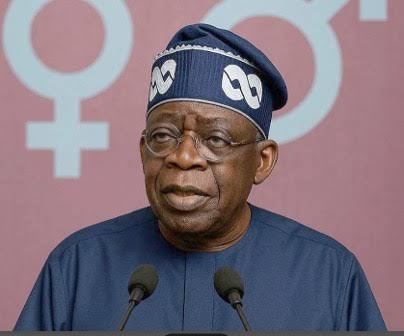
    When President Bola Ahmed Tinubu addressed the nation on June 12 2026, the speech carried structured emphasis on elections, economy, and security institutions, with clear references to INEC, reform outcomes, and national unity. The message unfolded in direct language, combining historical reflection with current governance priorities, while reinforcing the responsibilities of institutions and citizens within Nigeria’s democratic framework.

    In that space between memory and expectation, the address becomes a national lens for interpreting direction, accountability, and the state of democracy itself.

    Electoral trust crisis, INEC pressure and fragile voter confidence

    The President stated:

    In the coming days, Ekiti and Osun States will hold elections. I urge INEC, security agencies, and all parties to ensure these polls are peaceful and credible. Democracy fails when citizens doubt the process.”

    This statement lands in a political environment where electoral trust remains one of the most contested national issues. Since the 2023 general elections, public debate around electoral transparency, result transmission credibility, and institutional neutrality has remained active, with many citizens still evaluating how well reforms in election technology have translated into lived trust.

    The reference to peaceful and credible elections reflects an ongoing sensitivity around state elections, especially in Ekiti and Osun, which historically serve as political indicators for broader national sentiment. The emphasis on credibility also signals awareness of rising scrutiny directed at Independent National Electoral Commission, particularly regarding logistics, technology deployment, and perception management.

    In practical terms, the quote reflects a government trying to stabilize electoral confidence in a period where citizens increasingly judge elections not only by voting day conduct but also by pre election fairness, security presence, and post election dispute handling.

    Democracy as institutional balance under pressure

    The speech continues:

    To the National Assembly, Judiciary, the Press, and Civil Society: you remain the guardrails of our democracy. Criticise me, disagree with me, but do not stop believing in Nigeria.”

    This reflects a political environment where institutional trust is both essential and contested. Nigeria’s democratic system in 2026 is marked by heightened public scrutiny of executive decisions, judicial interpretations of electoral disputes, and media framing of economic hardship.

    The framing of institutions as “guardrails” is significant because it acknowledges that democracy is no longer viewed as self sustaining. Instead, it requires constant correction from multiple actors including lawmakers, judges, journalists, and civic groups.

    At the same time, the emotional appeal to “not stop believing in Nigeria” speaks to growing public fatigue driven by economic pressure and insecurity concerns. The government is essentially reinforcing unity while operating in a climate where public patience is uneven and often shaped by cost of living realities.

    Economic reforms and the reality of inflation pressure

    The President said:

    “When we came into office, Nigeria faced severe fiscal challenges. We chose reform to restore stability, rebuild confidence, and secure long term growth.”

    He also stated:

    Today, government revenues have improved, allowing more funds to go to states and local governments for development priorities such as infrastructure, healthcare, and education.”

    These statements sit within a national economy that has undergone aggressive structural reforms since 2023, including subsidy removal, exchange rate adjustments, and fiscal restructuring. While government revenue performance is reported to have improved, the lived experience of citizens remains shaped by inflationary pressure, transportation costs, food prices, and wage constraints.

    Reports around 2026 economic indicators suggest improved macro fiscal positioning, but uneven transmission of benefits to households. This creates a dual reality where state governments may receive stronger allocations, while citizens still feel cost pressures at market level.

    The quote therefore reflects a classic reform tension, macro stability improving faster than micro economic relief, which remains a central debate in Nigeria’s economic cycle.

    Security response, emergency posture, and national anxiety

    The most direct security statement was:

    To those still engaging in violence: lay down your arms or face the full force of the Nigerian state. There will be no safe haven for criminals.”

    This reflects the ongoing security environment across multiple regions in Nigeria in 2026, where issues such as kidnapping, banditry, and insurgent activity continue to shape public concern. Security operations have intensified, with increased recruitment announcements and expanded military activity reported across affected zones.

    In parallel reporting around the same period, insecurity incidents involving school abductions and rural attacks have kept public attention on response effectiveness and intelligence coordination.

    The tone of the quote reflects a state posture of deterrence, signaling that the government is prioritizing force escalation alongside rehabilitation programs for surrendered combatants. It also reflects an attempt to reassert authority in areas where state presence is challenged by non state armed actors.

    However, the underlying national reality is that insecurity remains unevenly resolved, with improvements in some corridors but persistent vulnerabilities in rural and border regions.

    National unity messaging under social strain

    Another key statement:

    Crime has no identity. Nigerians must stand together against those who threaten peace.”

    This reflects an important political sensitivity in Nigeria’s 2026 environment, where insecurity narratives often risk being interpreted through ethnic or regional lenses. The government’s framing here is an attempt to prevent fragmentation of national response to security threats.

    The emphasis on unity also reflects awareness that public discourse around insecurity can easily become polarized, especially on social platforms and regional commentary spaces. The message seeks to redirect attention from identity based interpretations toward collective responsibility.

    Historical framing, generational responsibility, and legitimacy narrative

    The President stated:

    “Every generation has a responsibility. The generation of independence secured freedom. The generation of June 12 secured democracy. Our generation must secure prosperity.”

    This statement connects three historical phases of Nigeria’s political evolution. It references independence era leadership, the June 12 democratic struggle, and the current reform period as a third phase focused on economic outcomes.

    In the context of 2026, this framing is significant because it attempts to shift national evaluation metrics from political transition to economic delivery. It positions governance legitimacy not only in electoral continuity but in measurable prosperity outcomes such as jobs, infrastructure, and purchasing power.

    It also subtly responds to rising public demand for tangible economic results following years of structural reform adjustments.

    Closing Reflection: Democracy under performance pressure

    Taken together, the quotes from the 2026 Democracy Day speech reflect a nation operating in a transitional phase where democratic stability is no longer the main question, but democratic performance is.

    Elections are framed around credibility expectations, the economy is framed around reform outcomes versus lived hardship, and security is framed around state authority versus persistent threats.

    In essence, the speech mirrors a broader national reality where institutions remain intact, but public evaluation of outcomes has become sharper, faster, and more demanding.

  • Political Parties Challenging Tinubu in the 2027 Presidential Race

    Political Parties Challenging Tinubu in the 2027 Presidential Race

    Nigeria’s 2027 presidential election is shaping up to be one of the most contested in the country’s democratic history. Barely two years after President Bola Tinubu secured his victory in February 2023, the opposition has been in constant motion: forming alliances, breaking them, forming new ones, and shuffling between parties at a pace that has left political analysts struggling to keep up. As of May 2026, with general elections less than a year away, multiple parties are fielding presidential candidates against Tinubu and the ruling All Progressives Congress.

    The picture is not as simple as counting banners. Some of the same faces keep reappearing under different party labels, the Peoples Democratic Party is locked in a factional crisis with two wings each claiming legitimacy, and a coalition that was being called the most ambitious opposition realignment in a decade collapsed after barely three weeks of formal unity. What Nigeria’s opposition has not lacked in 2026 is drama. What it has often lacked is discipline.

    The Political Parties Challenging Tinubu in the 2027 Presidential Race

    Political Parties Challenging Tinubu in the 2027 Presidential Race
    President Ahmed Bola Tinubu, GCFR

    The parties challenging Tinubu in the 2027 presidential race span the full spectrum of Nigerian opposition politics: the African Democratic Congress, the Nigeria Democratic Congress, the Peoples Democratic Party, the Allied Peoples Movement, the Peoples Redemption Party, and the Labour Party, among others. Taken together, this is not a coordinated challenge but a fragmented field that may end up helping the incumbent more than hurting him.

    The African Democratic Congress: Atiku’s Platform

    The African Democratic Congress, or ADC, is currently the most high-profile opposition vehicle in the race. The party was relatively obscure until July 2025, when it dissolved its National Working Committee to accommodate opposition heavyweights who needed a neutral platform after their own parties had been weakened by defections, internal crises, or litigation.

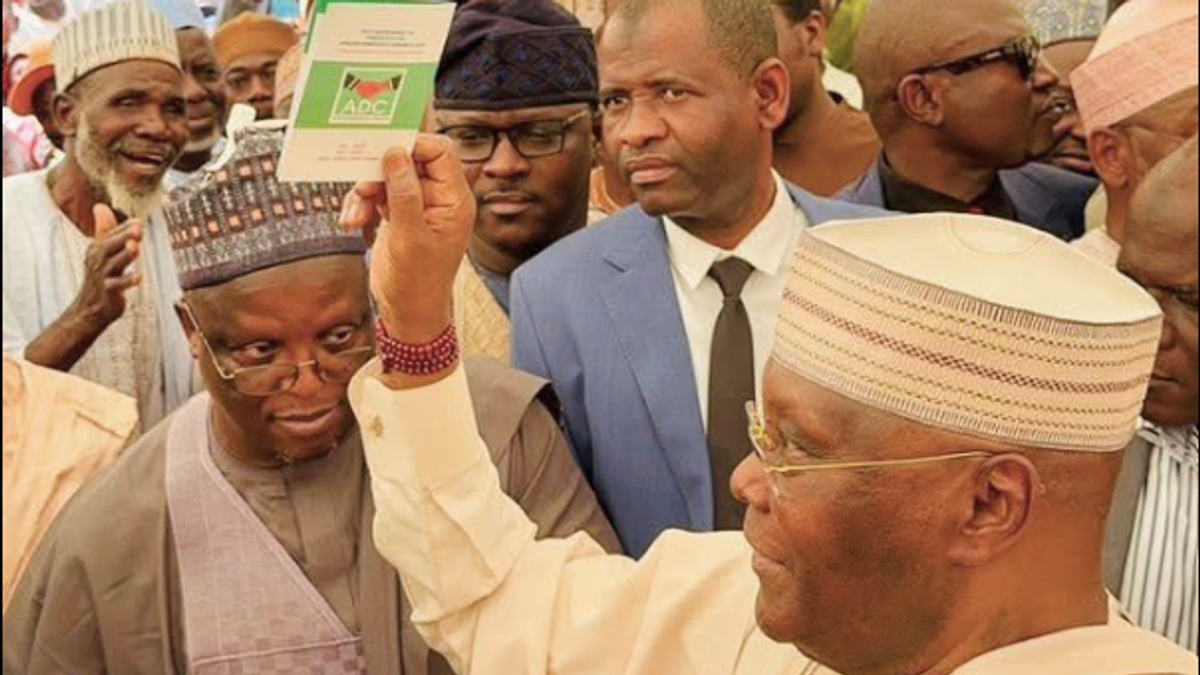
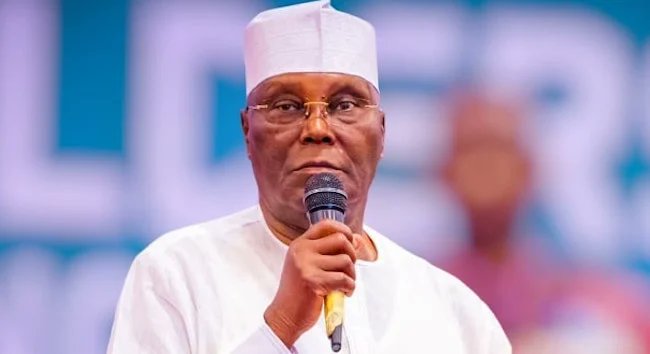
    Former Vice President Atiku Abubakar, who ran for president in 2019 and 2023 under the PDP banner, formally returned his presidential nomination forms to the ADC in May 2026, signalling his entry into the party’s primary. Alongside him in the initial ADC coalition were Peter Obi, Rabiu Kwankwaso, former Kaduna governor Nasir El-Rufai, former Transport Minister Rotimi Amaechi, former Senate President David Mark, and a number of other influential politicians who had left both the APC and the PDP.

    The coalition held a high-profile summit in Ibadan in April 2026 where opposition leaders publicly pledged to present a single candidate against Tinubu. The promise lasted less than three weeks. Peter Obi and Rabiu Kwankwaso resigned from the ADC in early May 2026, citing legal disputes and what they described as internal manipulation of the party’s structure to favour certain aspirants. Their exit fundamentally changed the nature of the ADC’s challenge.

    As of late May 2026, the ADC primary was contested between Atiku Abubakar, Rotimi Amaechi, and Mohammed Hayattu-Deen. The outcome of the nationwide primaries had not been officially declared at press time. Whoever emerges will be carrying a coalition that has already lost its two most nationally visible members since the Ibadan summit.

    The Nigeria Democratic Congress: The Obi-Kwankwaso Ticket

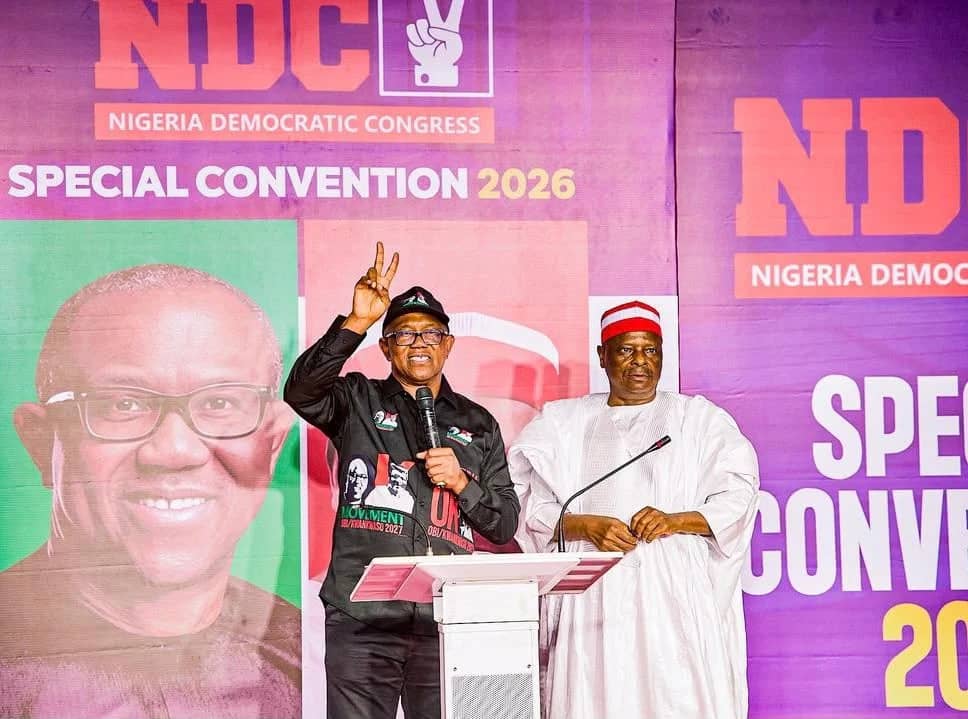
    Mr. Peter Obi and Dr. Kwankwaso

    After leaving the ADC, Peter Obi and Rabiu Kwankwaso joined the Nigeria Democratic Congress, or NDC, on May 4, 2026. The party, led by former Bayelsa State Governor Seriake Dickson, had been formally registered by the Independent National Electoral Commission and was positioning itself as a long-term opposition platform rather than a temporary alliance of convenience.

    The NDC held its maiden national convention in Abuja on May 9, 2026. At the convention, the party zoned the 2027 presidential ticket to the South, with Peter Obi subsequently unveiled as the NDC’s consensus presidential candidate. Kwankwaso, who leads the Kwankwasiyya movement with a strong base in Kano and the North-West, is widely expected to serve as Obi’s running mate, completing what supporters have already dubbed the ‘O-K’ ticket.

    Kwankwaso has since explained publicly that the decision to back Obi rather than push his own presidential ambition was deliberate and strategic. In a May 21, 2026 interview on Global Television, the former Kano governor said that if Obi wins and serves two terms, 2031 would position a northern candidate, potentially himself, as the natural successor under Nigeria’s informal power rotation principle.

    The NDC faces its own structural questions. The party is new to national politics and is contesting a presidential election with high-profile but recently defected figures. Whether its party machinery across states is strong enough to translate the Obi-Kwankwaso name recognition into actual votes remains to be seen. In the 2023 election, opposition candidates collectively won roughly 60 percent of the presidential vote but split it across multiple parties. The NDC is betting it can consolidate a significant portion of that.

    The Peoples Democratic Party: Internal Crisis and Two Candidates

    The situation inside the PDP is a story in itself. The party that ruled Nigeria for sixteen uninterrupted years, from 1999 to 2015, is going into the 2027 elections with two factions, each claiming to be the legitimate PDP, each screening its own presidential aspirants, and each insisting the other has no authority to act.

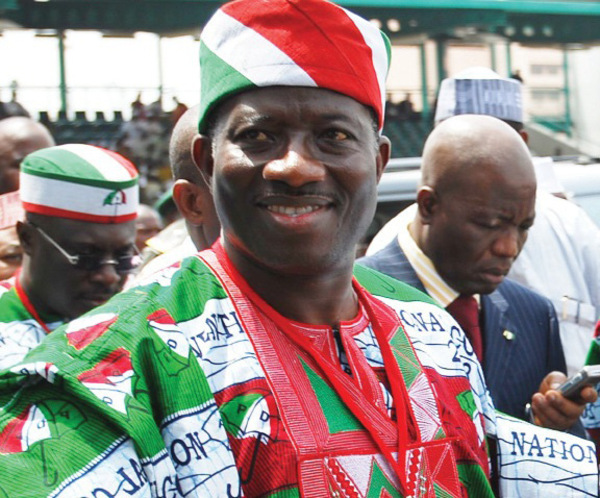
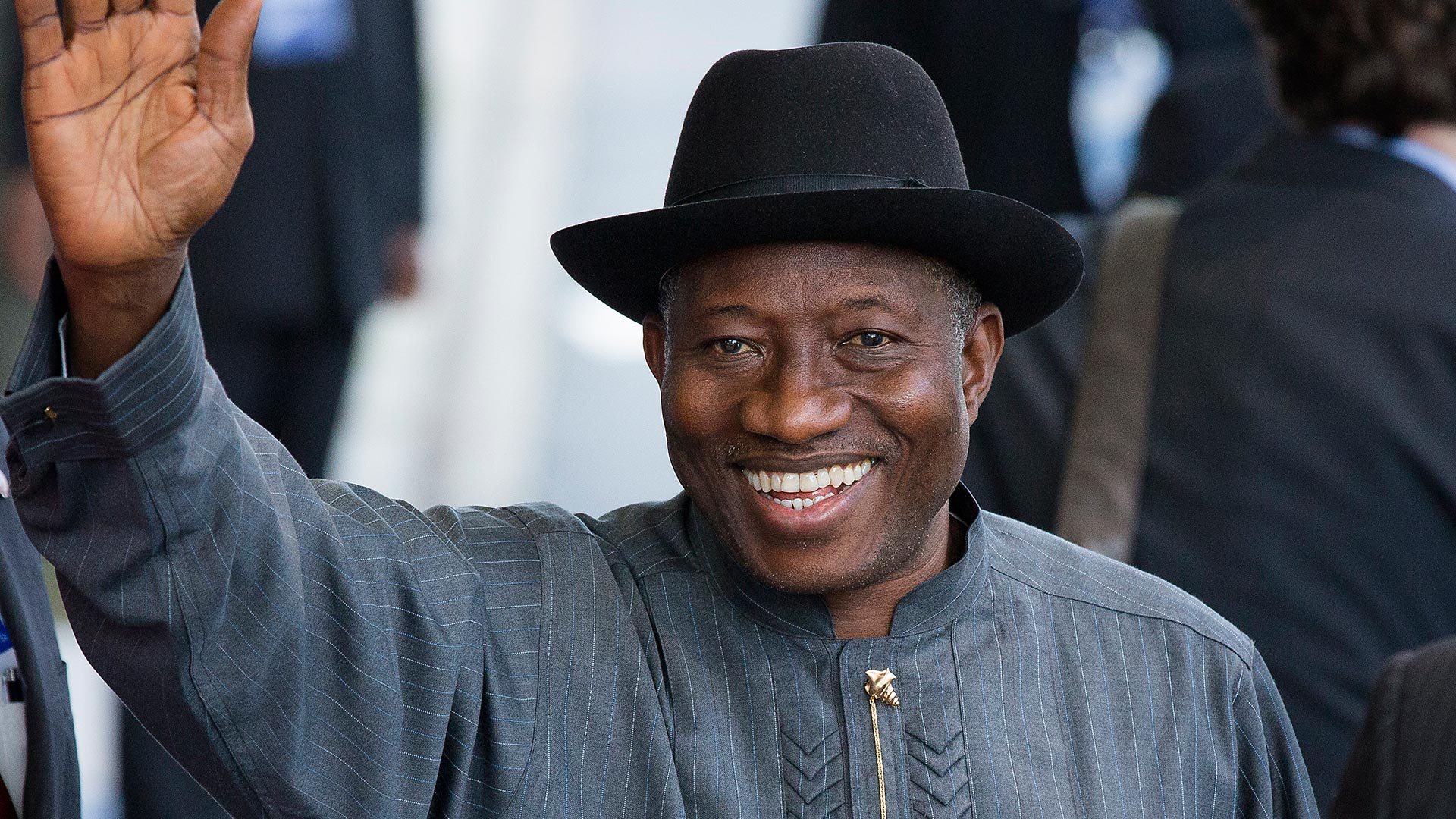
    The faction led by Kabiru Turaki, recognised as the party’s Interim National Working Committee, has declared former President Goodluck Jonathan as the PDP’s sole presidential candidate for 2027. Jonathan was granted a waiver from the formal screening process, with the committee citing his previous service as deputy governor, governor, vice president, and president as sufficient vetting. Jonathan’s eligibility to run is the subject of an ongoing court case, as questions have been raised over whether a president who lost re-election having previously completed less than two full terms can contest again. His camp maintains he only won one election as a candidate and therefore remains eligible under Nigeria’s constitution.

    The Nyesom Wike-backed faction, by contrast, has been screening its own aspirants, with Senator Sandy Onor among those linked to that wing’s presidential primary. Wike, the Federal Capital Territory minister and one of the most powerful political operators in the country, has dismissed Makinde and the Turaki faction’s moves as lacking legitimacy.

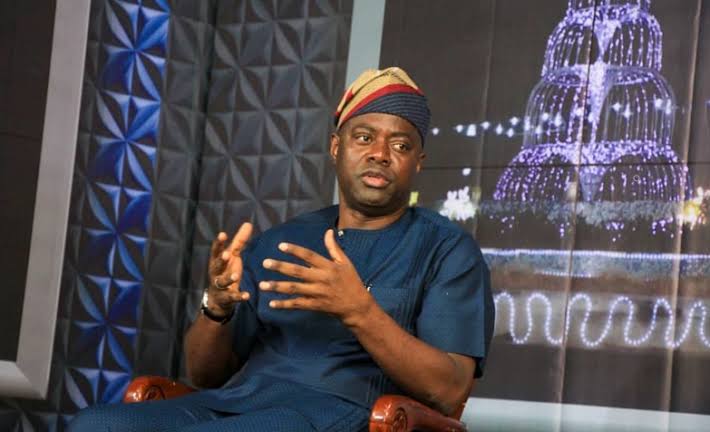
    Seyi Makinde, the outgoing Oyo State governor and a nationally prominent PDP figure, initially appeared likely to contest on the PDP platform after Atiku’s exit from the party opened the field. However, Makinde ultimately defected to the Allied Peoples Movement ahead of his presidential declaration, which is detailed below.

    The Allied Peoples Movement: Makinde’s New Platform

    Governor Seyi Makinde of Oyo State

    Seyi Makinde formally declared his presidential ambition in May 2026 on the platform of the Allied Peoples Movement, or APM. His defection from the PDP followed a Supreme Court ruling that weakened the Makinde-aligned bloc within the party and complicated his prospects of securing the PDP ticket.

    Makinde’s entry into the presidential race is significant for several reasons. He is one of the most capable administrators among Nigeria’s current governors, his governance record in Oyo State has earned him credibility beyond his state, and he commands personal loyalty rather than just structural party support. He is also Yoruba, which raises questions about vote splitting in Tinubu’s South-West base. Tinubu, also from the South-West, was actually defeated in Oyo State in the 2023 presidential election.

    The practical challenge for Makinde is that the APM does not yet have the national network or institutional weight that the major parties have spent decades building. His political capital is real. Translating it into a competitive national campaign through a smaller party is a different task entirely.

    Labour Party: Preparing for Its Own Primary

    The Labour Party, which Peter Obi used as his 2023 presidential platform and which shocked Nigeria’s political establishment by placing third with over six million votes, is also expected to field a presidential candidate in 2027. As of late May 2026, the LP was scheduled to hold its presidential primary on May 29, 2026.

    Obi’s departure from Labour Party to ADC, and then to NDC, has left the party without its most recognised figure. The LP leadership had been locked in internal disputes, with Obi himself stating publicly in February 2026 that as long as he remained in the party, INEC would not recognise its leadership, citing what he described as federal government pressure to keep him off the ballot. Labour Party’s candidate from the May 29 primary will enter the race with name recognition built partly on Obi’s 2023 performance, but without Obi himself.

    The Peoples Redemption Party: Donald Duke’s Entry

    Donald Duke

    The Peoples Redemption Party, or PRP, was conducting its own presidential primaries as of late May 2026. Among those contesting the ticket was former Cross River State governor Donald Duke, described by reports as the frontrunner. Also in the PRP primary were Nnaoke Ufere, a notable economist from Abia State, and Yakubu Kingsley from Edo State.

    Duke is a respected figure with a record of transformative governance in Cross River during his tenure as governor, but the PRP is a smaller party with limited presence at the federal level. If Duke does emerge as its candidate, he would add another experienced political name to what is already a crowded field.

    Why the Opposition Keeps Fracturing

    Across all of these parties, a pattern repeats itself: big names come together, make unity pledges, disagree over who gets the presidential ticket, and part ways. It happened with the ADC coalition after the Ibadan summit. It happened inside the PDP. It is happening across the board.

    The fractures trace back to a structural problem that analysts have identified consistently: Nigeria’s opposition lacks ideological glue. What unites opposition figures is not a shared platform or policy vision but a shared desire to defeat Tinubu. When it comes to who specifically gets to be the person who defeats him, agreements collapse. Everyone wants to be president. Very few are willing to be vice president.

    There is also the question of northern versus southern presidential rotation. The informal convention that the presidency should alternate between North and South creates constant tension in any opposition coalition that spans both regions. Atiku, a northerner, wants the ticket. Obi, a southerner, wants the ticket. Makinde, also a southerner, wants the ticket. None of them wants to serve under one of the others.

    The result is that the 2027 election, as it currently stands, may replicate the 2023 dynamic rather than overcome it. In 2023, opposition candidates together outpolled the APC in total votes but lost because their support was distributed across too many candidates. A divided field in 2027 benefits Tinubu in exactly the same way.

    What the APC and Tinubu Are Doing

    While the opposition fragments, the APC has been systematically consolidating. The party formally endorsed Tinubu for a second and final term at a summit in Abuja in May 2025. APC National Chairman Abdullahi Ganduje declared Tinubu the party’s sole presidential candidate, describing the endorsement as an affirmation of the president’s reform agenda.

    Political Parties Challenging Tinubu in the 2027 Presidential Race
    Bola Ahmed Tinubu after winning Nigeria’s 2023 presidential election. REUTERS/Marvellous Durowaiye

    Tinubu’s government has also benefited from a string of high-profile defections from opposition parties to the APC, including several governors and federal lawmakers. Tinubu himself noted the trend publicly, saying, ‘That is the game.’ The Lagos State APC predicted in January 2026 that the opposition coalition would collapse, citing exactly the competing ego problem that eventually produced the ADC split. They were not wrong.

    The economic reforms Tinubu introduced in his first year, including the removal of the petrol subsidy and the liberalisation of the exchange rate, drew significant public criticism as Nigerians absorbed severe cost-of-living increases. International creditors, ratings agencies, and the IMF praised the structural logic of those reforms. Many ordinary Nigerians experienced them as hardship. Whether that hardship translates into electoral punishment in 2027 depends partly on whether any opposition candidate can consolidate the discontent into a single coherent campaign.

    The State of the Race as Primary Season Opens

    With parties completing or approaching their primaries in late May 2026, the 2027 presidential race is entering its most consequential phase. On one side, Tinubu and the APC are going into the election as a unified incumbent party with state machinery, financial resources, and a broad network of political allies. On the other side, the opposition has produced at least five or six credible parties with presidential candidates, none of which appears positioned to consolidate the anti-Tinubu vote on its own.

    The NDC is advancing an Obi-Kwankwaso ticket that draws on the Obidient movement’s urban energy and the Kwankwasiyya’s northern bloc. The ADC, under either Atiku or Amaechi, is counting on northern political networks and Atiku’s decades of presidential campaigning. PDP under Jonathan is a wildcard that depends on a court ruling about eligibility and on whether his name recognition among older voters can produce a viable national campaign. Makinde and APM represent the Yoruba southwest outside Tinubu’s grip. Labour Party will produce a new candidate who inherits part of the 2023 energy without the person who generated it.

    Barring a last-minute unity deal, which multiple parties have tried and failed to sustain this year, Nigeria is heading into a 2027 election with a fragmented opposition facing a consolidated incumbent. The parties are many. The common strategy is not.

    Conclusion

    At least five major political parties are mounting credible presidential challenges against Tinubu in the 2027 election: the ADC, the NDC, the PDP, the APM, and the Labour Party, with the PRP adding a further name to the field. The scale of this opposition does not translate into strength. It translates, as it has in previous elections, into a divided vote that the APC can navigate to victory without necessarily winning a majority.

    For ordinary Nigerians who have borne the cost of the current administration’s economic reforms and who want to see genuine democratic competition, the frustration is real. The opposition has the votes, in aggregate. It keeps failing to find the will to concentrate them. Whether that changes before polling day in early 2027 is the defining question of this election cycle.

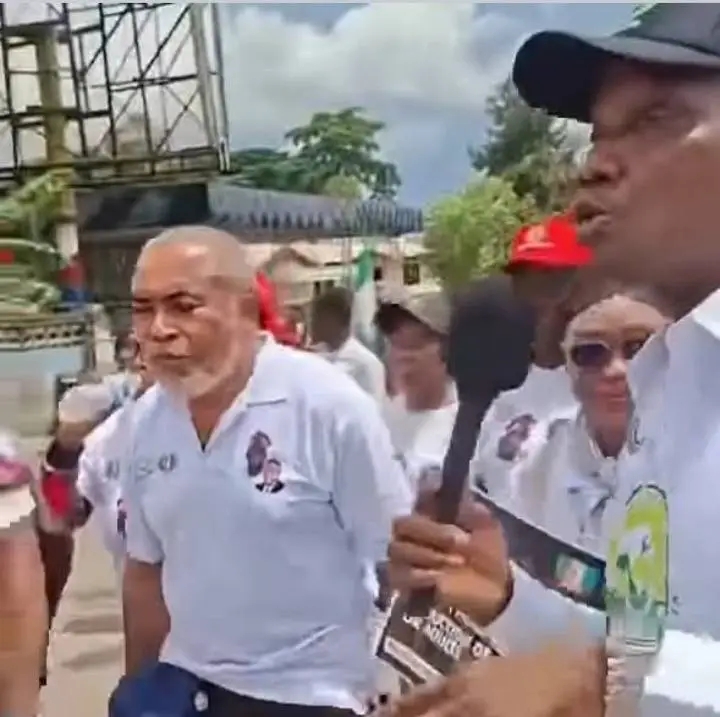
  • Details surrounding Zack Orji’s recent Pro-Tinubu Campaign Rally in Cross River

    Details surrounding Zack Orji’s recent Pro-Tinubu Campaign Rally in Cross River

    The morning of 7 June, 2026 carried a different kind of energy across parts of Cross River State as movement began to build around a public event that would soon draw national attention. Long before speeches began or cameras started rolling, residents around the chosen venue in Calabar noticed an unusual flow of guests arriving with coordinated presence and visible intent. What looked at first like a routine political gathering quickly evolved into a celebrity driven mobilization that carried a message already circulating quietly across support networks.

    The presence of well known Nollywood figures created an atmosphere that felt both familiar and politically charged at the same time, especially as conversations around national reforms remained sensitive across different regions of the country. Among the personalities spotted, veteran actor Zack Orji stood out not only because of recognition but because of the structured manner in which he engaged with organizers and participants. The event was not positioned as entertainment but as a public declaration of support tied to ongoing national discussions around governance, reforms, and political direction.

    As the crowd settled and the venue filled, the phrase Relax Tinubu Is Fixing Nigeria began to appear on banners, wristbands, and printed materials distributed among attendees. The slogan did not arrive quietly. It carried a tone of reassurance and political alignment that reflected a wider organized effort connected to a support structure known as RTIFN. The atmosphere suggested that this was more than a casual appearance by entertainers but part of a coordinated political outreach taking shape ahead of future electoral positioning.

    Arrival pattern of entertainers in coordinated sequence

    The entry of entertainment personalities into the venue followed a sequence that observers noted was deliberate rather than spontaneous. Between late morning hours and early afternoon on 7 June 2026, vehicles carrying actors, media figures, and supporters arrived in intervals that kept attention fixed on each arrival. Zack Orji was among those whose entrance drew immediate focus, not because of theatrics but because of the calm structure surrounding his movement and engagement with organizers.

    Other Nollywood participants also joined the gathering, creating a blend of familiar faces from film and television alongside political coordinators from Cross River State. The arrangement of seating and introductions suggested prior planning that extended beyond same day coordination. Attendees were directed into designated areas where discussions, briefings, and symbolic introductions took place before public statements began.

    The environment inside the venue reflected a controlled but energetic atmosphere. Conversations among participants often revolved around national direction, reform expectations, and the role of public figures in shaping perception. The presence of media crews ensured that almost every movement was documented, capturing moments that would later circulate widely across digital platforms.

    Message behind Relax Tinubu Is Fixing Nigeria narrative

    The slogan ‘Relax Tinubu Is Fixing Nigeria’ served as the central message of the gathering and was repeated across different segments of the event. It was presented not as a casual phrase but as a structured communication point tied to a wider political support identity. The message was framed around patience, continuity, and trust in ongoing national reforms initiated by the current administration.

    Speakers at the event emphasized the importance of allowing governance processes to mature over time, particularly in relation to economic adjustments and policy implementation. The slogan functioned as both a symbolic anchor and a rallying point for supporters who believe that structural changes require sustained effort rather than immediate outcomes.

    Throughout the gathering, the phrase appeared in speeches, chants, and printed visuals displayed across the venue. Its repetition reinforced a unified narrative that positioned the movement as a stabilizing voice within ongoing national debates. The message also aligned with broader political communication strategies linked to grassroots mobilization efforts taking place across multiple states.

    Zack Orji position within the movement structure

    Zack Orji at Tinubu rally in Cross River

    Zack Orji’s presence at the Cross River gathering extended beyond attendance and placed him within a defined role inside the RTIFN structure. Reports from the event identified him as Deputy National Coordinator of the Relax Tinubu Is Fixing Nigeria movement, a position that indicates active involvement in organizational coordination rather than passive endorsement.

    His interactions during the event reflected a familiarity with internal planning processes, including coordination with state representatives and communication teams. Observers noted that his engagement with attendees went beyond ceremonial participation, as he appeared to take part in structured briefings and directional discussions that preceded public speaking segments.

    The positioning of a known film industry figure within a political mobilization framework highlighted the increasing integration of entertainment personalities into organized political outreach systems. Zack Orji’s role at the event reinforced the idea that celebrity influence is increasingly being incorporated into structured political communication strategies across Nigeria.

    Sequence of speeches on event day in Calabar

    The speaking segment of the event unfolded in a structured sequence that began with local coordinators from Cross River State before moving to higher profile speakers. Each address focused on reinforcing the central message of patience and confidence in national direction while highlighting the importance of grassroots engagement.

    Zack Orji’s address came during a key segment of the program, where he spoke directly to attendees about the need for sustained belief in national reforms. His remarks centered on encouragement for citizens to remain steady in expectations while governance processes continue to unfold. He emphasized that national development requires continuity and collective understanding of long term policy direction.

    Other speakers echoed similar themes, reinforcing a unified narrative throughout the speaking order. The arrangement of speeches maintained a consistent tone that aligned with the slogan promoted across the venue. The sequence concluded with statements from state level coordinators who outlined plans for expanding local engagement across the eighteen local government areas in Cross River State.

    Political climate across Nigeria during June 2026

    The timing of the event on 7 June 2026 placed it within a broader national atmosphere marked by ongoing discussions around kidnapping, banditry, economic adjustment, governance reforms, and preparation cycles linked to the 2027 electoral period. Public discourse during this period remained active, with various groups engaging in conversations about national direction and policy outcomes.

    Within this context, organized support movements began to emerge more visibly across different states, often combining entertainment influence with structured political messaging. The Cross River gathering reflected this wider pattern, where public figures are increasingly participating in events that blend cultural visibility with political communication.

    The presence of coordinated slogans and structured messaging indicated that political engagement strategies were expanding beyond traditional campaign frameworks. Instead, they were evolving into continuous mobilization efforts that operate across public spaces, media platforms, and community events.

    Social media circulation of event visuals

    Shortly after the event concluded, videos and images from the Calabar gathering began circulating across multiple social media platforms. The footage captured key moments including arrival sequences, stage appearances, and audience engagement during speeches. These clips were widely shared by entertainment pages, political discussion accounts, and general news aggregators.

    The rapid spread of visual content amplified the visibility of the event beyond Cross River State, bringing national attention to the activities that took place on 7 June 2026. The circulation pattern showed how political gatherings involving celebrities often gain extended reach through digital platforms where audiences engage with short form content.

    Discussions accompanying the shared visuals reflected a wide range of interpretations, with users analyzing both the message and the presence of entertainment figures in political spaces. The digital footprint of the event extended its relevance beyond physical attendance, turning it into a national conversation point within hours.

    Celebrity involvement in political engagement spaces

    The Cross River rally highlighted the expanding role of entertainers within political engagement structures in Nigeria. Over time, public figures from film, music, and media have become increasingly visible in organized mobilization efforts, especially during periods leading up to national elections.

    Zack Orji’s participation reflected this ongoing integration, where celebrity influence is used as a channel for reaching wider audiences. The presence of familiar entertainment personalities often increases attention around political messages, particularly when events are designed to combine cultural recognition with structured advocacy.

    This pattern has become more visible in recent years as political movements incorporate public figures into outreach strategies that extend beyond traditional campaign frameworks. The Cross River event stood as another example of how entertainment and politics continue to intersect in modern Nigerian public life.

    Grassroots mobilisation across Cross River State

    Beyond the central stage activities, the event also marked the formal expansion of RTIFN structures across the eighteen local government areas of Cross River State. Coordinators were introduced and assigned responsibilities aimed at strengthening local engagement and communication networks.

    This expansion was presented as part of a broader effort to deepen outreach at community level, ensuring that messaging extends beyond urban centers into rural and semi urban areas. The structure outlined during the event suggested an organized approach to sustaining visibility and engagement over time.

    The coordination framework introduced at the Calabar gathering reflected a focus on building consistent communication channels that support the movement’s broader national presence. The emphasis remained on structured expansion rather than isolated events, indicating long term planning within the organization.

    Closing moments inside the Calabar venue

    As the event drew toward its final phase on 7 June 2026, attention shifted from speeches to final interactions among participants and organizers. Attendees moved through designated exit points while conversations continued in smaller clusters around the venue. Zack Orji was observed engaging briefly with coordinators and selected participants before departing alongside other invited figures.

    The atmosphere at closure remained steady, with lingering discussions about the themes presented during the day. Equipment was gradually dismantled while media teams finalized recordings for distribution. The final moments reflected a controlled conclusion to an event that had maintained structure from beginning to end.

    By the time the venue emptied, the message that had been repeated throughout the day remained firmly positioned within public discussion. The gathering in Cross River State on 7 June 2026 had combined celebrity presence, structured political messaging, and coordinated grassroots expansion into a single organized public display that continued to circulate beyond the physical space where it occurred.

  • POST MORTEM: How the Ibadan opposition summit fractured into three presidential candidates

    POST MORTEM: How the Ibadan opposition summit fractured into three presidential candidates

    Political parties in Nigeria had, on April 25, converged in Ibadan with a firm declaration to unite behind a single presidential candidate ahead of the 2027 general election in a bid to unseat President Bola Tinubu of the ruling All Progressives Congress (APC).

    The meeting was widely described as a strategic effort by opposition forces to consolidate their strength and avoid repeating the fragmented approach that contributed to their defeat in the 2023 presidential election.

    Leaders at the gathering argued that a divided opposition would only strengthen the ruling party’s political dominance and pledged to prioritise collective ambition over individual aspirations.

    However, barely five weeks after the Ibadan agreement, the unity arrangement has collapsed, giving way to multiple presidential candidates across different opposition platforms.

    The African Democratic Congress (ADC) already produced former Vice-President Atiku Abubakar as its presidential candidate following its primaries.

    The Allied Peoples Movement, on its part, is said to have nominated Governor Seyi Makinde of Oyo State as its flagbearer for the 2027 presidential election.

    The Labour Party has also chosen governance and policy expert Chibuzo Okereke as its presidential candidate after its internal consultations.

    The Nigeria Democratic Congress have settled for former Governor Peter Obi of Anambra State as its candidate ahead of the election.

    The Peoples Democratic Party, under the leadership of Kabiru Turaki, is also reported to have selected former President Goodluck Jonathan as its presidential standard-bearer.

    What was originally conceived as a unified front against what opposition leaders described as attempts by the All Progressives Congress to establish a dominant political system has now fractured into separate political blocs driven by competing ambitions.

    Analysts have described the breakdown of the consensus arrangement as evidence of the persistent difficulty in reconciling personal ambition with collective political strategy within Nigeria’s opposition politics.

    THE LESSON FROM 2023

    The Ibadan meeting was largely influenced by the outcome of the 2023 presidential election, where a divided opposition split its votes among Atiku, Obi and Rabiu Kwankwaso.

    That division enabled Tinubu of the APC to secure victory with a plurality of votes, despite not obtaining an outright majority of ballots cast nationwide.

    Opposition strategists had therefore argued that a united front in 2027 would significantly increase their chances of defeating the ruling party.

    The political understanding reached in Ibadan was built on that calculation, with organisers warning that continued fragmentation would weaken their electoral strength.

    However, developments following the meeting suggest that internal disagreements and individual ambitions have once again disrupted efforts to build a common platform.

    Atiku is said to remain convinced that his political experience and nationwide network position him as the strongest contender against President Tinubu.

    Peter Obi, on the other hand, continues to enjoy strong support among younger voters and urban populations who view him as a symbol of political change and reform-oriented leadership.

    These competing claims to electoral viability have contributed to the difficulty in sustaining a unified opposition structure.

    Political commentators note that while opposition leaders have frequently raised concerns about the possibility of Nigeria drifting towards a one-party political system, the most significant divisions appear to exist within the opposition itself.

    Observers argue that the absence of a single coordinated challenger may once again hand a strategic advantage to the ruling All Progressives Congress in the upcoming election cycle.

    THE ROAD AHEAD

    Although the 2027 presidential election remains some time away, political developments indicate that the race is already taking shape across multiple party platforms.

    The emergence of several high-profile candidates, including Atiku, Obi, Makinde and Okereke, suggests a return to a highly competitive but fragmented opposition landscape.

    If the current situation persists, analysts warn that the opposition may struggle to match the consolidated electoral machinery of the ruling All Progressives Congress.

    In such a scenario, the dynamics that influenced the outcome of the 2023 election could repeat themselves, with a divided opposition potentially easing the path for the incumbent party.

    For now, the collapse of the Ibadan consensus marks a significant turning point in the early build-up to 2027, leaving Nigeria’s political future once again shaped by shifting alliances and competing ambitions.

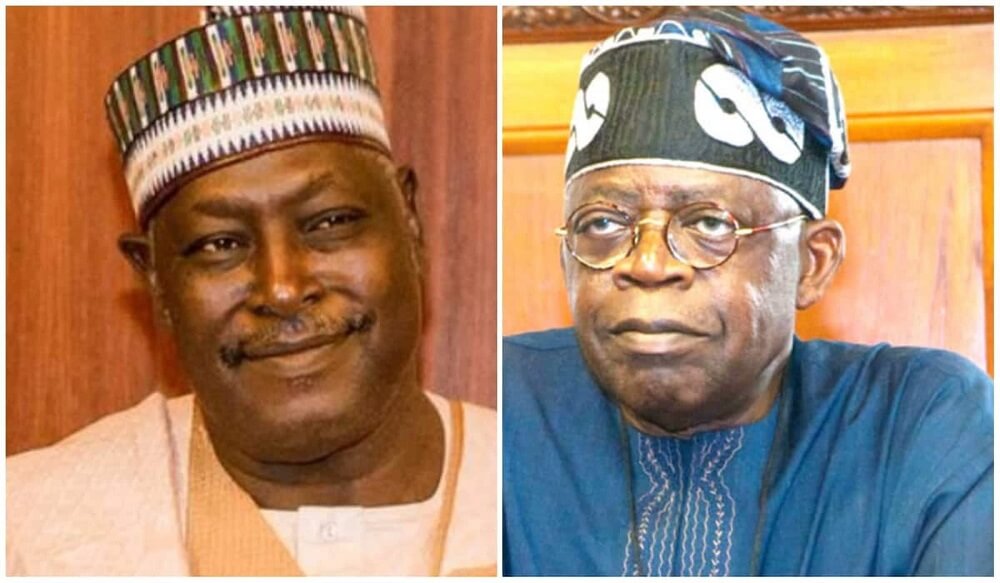
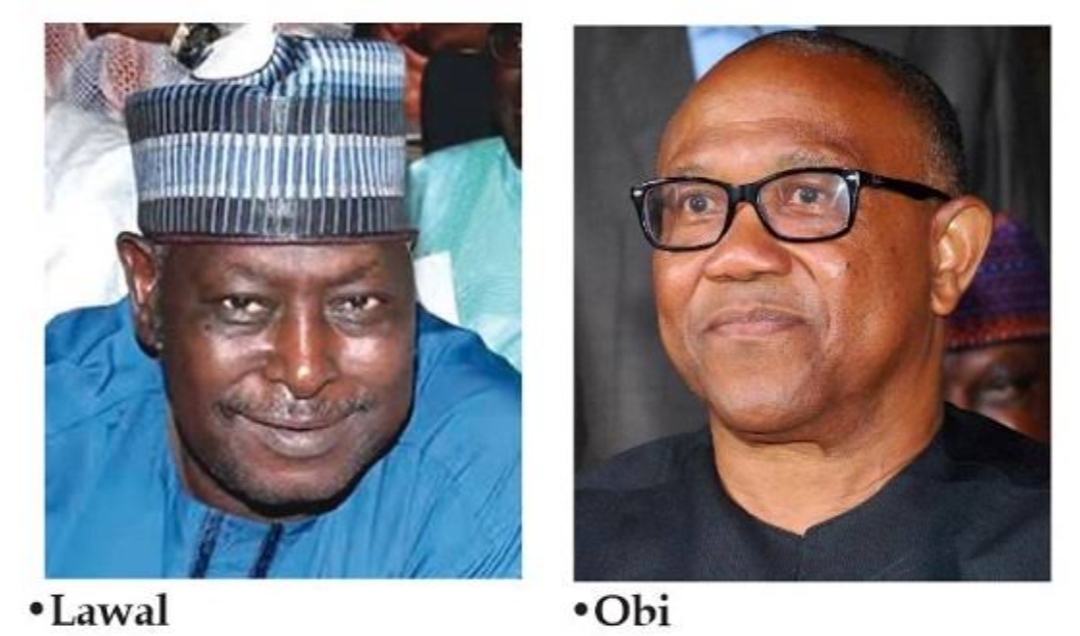
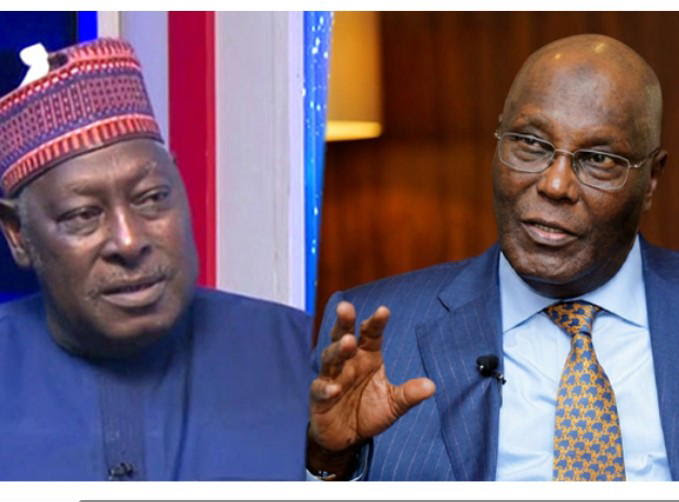
  • SPOTLIGHT: From ally to adversary — the many political turns of Babachir Lawal

    SPOTLIGHT: From ally to adversary — the many political turns of Babachir Lawal

    Former secretary to the government of the federation (SGF), Babachir Lawal, has once again found himself at the centre of political controversy following his resignation from the African Democratic Congress (ADC) over the conduct of the party’s presidential primary.

    The development has reignited discussions about a political career marked by changing alliances, public disagreements and repeated departures from political camps he once actively supported.

    Lawal announced his exit from the ADC on Monday, alleging that the party’s presidential primary was manipulated in favour of former Vice-President Atiku Abubakar.

    In explaining his decision, the former SGF claimed the electoral process was compromised from start to finish.

    “Everybody in ADC knows that the primary was manipulated, rigged massively. The result was doctored, and everybody who participated knew it,” he said.

    From APC insider to Tinubu critic

    For many years, Lawal was regarded as one of the influential northern figures within the All Progressives Congress and a strong ally of President Bola Tinubu.

    His prominence increased during the administration of former President Muhammadu Buhari, where he served as Secretary to the Government of the Federation.

    The former SGF had previously acknowledged the role played by Tinubu and former interim APC National Chairman, Chief Bisi Akande, in supporting his appointment under the Buhari administration.

    However, the relationship later became strained ahead of the 2023 presidential election.

    The turning point emerged after Tinubu selected former Governor Kashim Shettima of Borno State as his running mate.

    Lawal and President Tinubu

    Lawal publicly opposed the APC’s Muslim-Muslim ticket and subsequently withdrew his support for Tinubu’s presidential bid.

    As the election approached, he became one of the most outspoken northern politicians backing the candidacy of former Governor Peter Obi of Anambra State.

    The Obi alliance and a new political destination

    Lawal’s association with Obi initially appeared to strengthen efforts aimed at expanding the Labour Party candidate’s influence in northern Nigeria.

    He consistently praised Obi and participated in campaigns designed to attract support for the former Anambra governor.

    EX-SGF and Peter Obi

    The alliance, however, gradually weakened as opposition realignments intensified ahead of the 2027 election cycle.

    Lawal eventually aligned with the ADC coalition, which attracted several opposition figures seeking a common platform.

    The coalition later produced Atiku as its presidential candidate after a contested primary election.

    Fallout with Atiku

    One of the striking aspects of Lawal’s latest political dispute is that both he and Atiku are from Adamawa State.

    Before the primary, Lawal was actively involved in ADC affairs and was considered one of the party’s prominent opposition figures.

    Lawal and Atiku Abubakar

    Following Atiku’s victory with 1,846,370 votes ahead of former Governor Rotimi Amaechi of Rivers State and businessman Mohammed Hayatu-Deen, Lawal openly challenged the legitimacy of the process.

    He alleged that the exercise had been influenced by Atiku’s supporters.

    “Surprisingly, all over the place, Atiku and his people compromised almost everybody, and the results were doctored,” he said.

    “Where there were primaries at all, they changed. Where the result didn’t favour them, they wrote what they wanted and declared the result.”

    Lawal also questioned Atiku’s suitability for the presidency.

    “I know Atiku. I’ve said his antecedents. I have known his capabilities, and I realised that his presidency will be worse than Bola Tinubu,” he said.

    The former SGF subsequently declared his intention to oppose Atiku’s presidential ambition.

    Fresh controversy and strong reactions

    Following his resignation from the ADC, Lawal appeared on Channels Television’s Politics Today, where he launched further criticism against both Atiku and the current political system.

    Asked whether President Tinubu had effectively secured victory ahead of 2027, Lawal replied, “Landslide. He will outrig everybody. If the parameter for winning the election in Nigeria is rigging, nobody can face Bola Tinubu in this.”

    He also compared Atiku’s political approach to Tinubu’s influence in electoral contests.

    “If Atiku’s strength is in manipulating results, I wish him luck. He will meet the master rigger in the front,” he said.

    Lawal generated additional controversy by repeatedly referring to Atiku as “Kachalla”.

    “That is the title people like Turji are calling their local leaders,” he said.

    When challenged over the remark, the former SGF questioned whether Atiku had done enough to condemn insecurity-related incidents across the country.

    Defending the primary outcome

    Atiku’s camp has rejected the allegations made by Lawal and insisted that the primary process was credible.

    Atiku’s spokesperson, Phrank Shaibu, accused the former SGF of making claims without supporting evidence.

    “He has produced no documents, no verifiable facts, no credible witnesses, and no proof whatsoever to support his sensational allegations,” Shaibu said.

    Shaibu also questioned Lawal’s acceptance of the emergence of his cousin, Omar Suleiman, as the ADC governorship candidate in Adamawa State.

    “If the ADC primaries were truly the sham Mr Lawal now portrays them to be, intellectual honesty would require him to reject every outcome arising from that exercise, including the emergence of his cousin,” he said.

    ADC chieftain Dele Momodu also dismissed Lawal’s criticisms.

    “He was rambling and sounded a bit confused about the subject matter,” Momodu said.

    A reputation for political unpredictability

    Throughout his political journey, Lawal has repeatedly shifted from ally to critic across multiple political relationships.

    He moved from being a supporter of Tinubu to becoming one of his opponents, backed Obi before distancing himself from that camp, and later joined the ADC coalition before publicly challenging Atiku.

    Whether those transitions reflect adherence to personal convictions or a pattern of political restlessness remains a matter of interpretation among observers.

    What remains evident is that Lawal continues to occupy a unique place in Nigeria’s political landscape as a figure whose alliances and disagreements often generate significant attention.

    His latest departure from a political camp adds another chapter to a career that has frequently defied predictable political loyalties.

  • Why Atiku Abubakar Left PDP for ADC in Nigeria’s Opposition Realignment 2026

    Why Atiku Abubakar Left PDP for ADC in Nigeria’s Opposition Realignment 2026

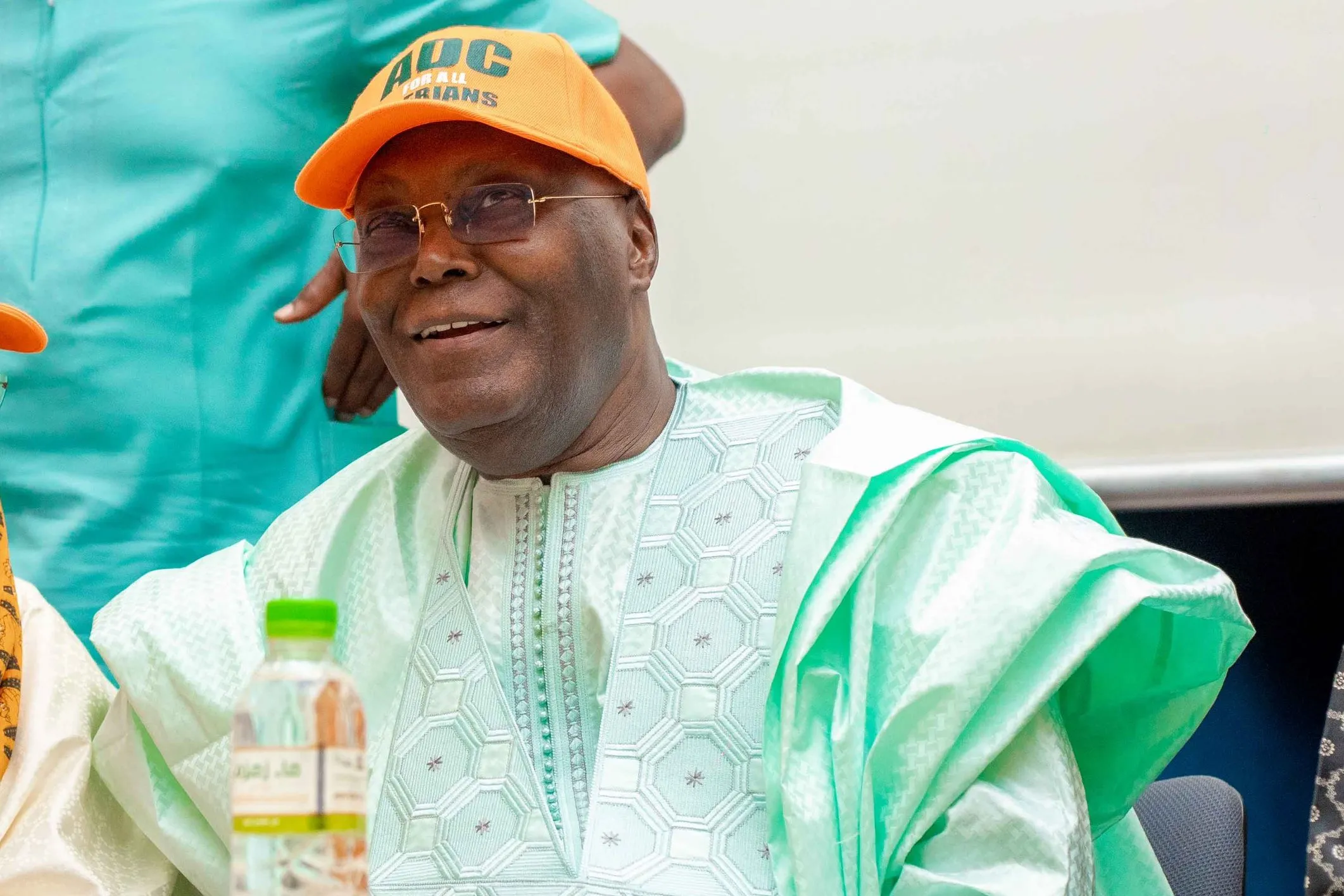
    In July 2025, Atiku Abubakar sent a letter to the chairman of his ward in Jada Local Government Area, Adamawa State. The letter was brief but consequential. After more than two decades, Nigeria’s most persistent presidential contender formally ended his membership of the Peoples Democratic Party. Months later, he collected his membership card with the African Democratic Congress. On May 14, 2026, he submitted his presidential nomination form at the ADC’s national secretariat in Abuja, describing the moment as “a firm and decisive step forward.”

    The move is not simply about one politician switching parties. It is a marker of one of the most significant structural shifts in Nigeria’s opposition landscape since the formation of the APC in 2014, and it raises real questions about whether the ADC can do what the PDP could not: present a credible unified challenge to President Bola Tinubu’s administration.

    Why Atiku Abubakar Left PDP for ADC in Nigeria’s Opposition Realignment

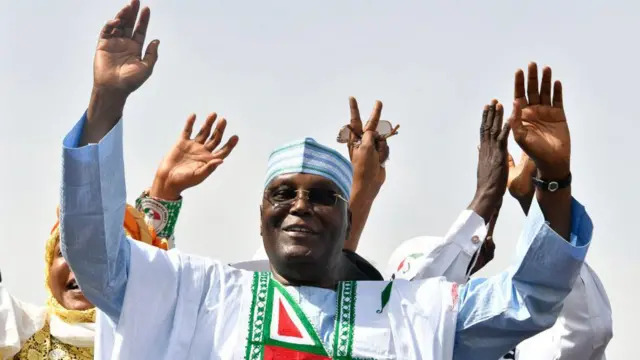
    Atiku Abubakar at a political rally

    The story of Atiku Abubakar’s move from PDP to ADC in Nigeria’s opposition realignment of 2025 and 2026 is rooted in years of compounding party dysfunction, personal political calculation, and a shared conviction among key opposition figures that the PDP was no longer a viable platform for defeating the APC. Understanding why this happened, and what comes next, requires looking at the evidence across multiple fronts.

    A Party in Freefall: What Happened to the PDP

    The PDP that Atiku left in 2025 was barely recognisable as the organisation that once governed Nigeria for 16 consecutive years. The party had been sliding toward dysfunction for years, but the 2023 election was the break point. Atiku secured the PDP presidential ticket that year in a primary that left deep wounds. The main grievance among many party stakeholders was his decision to seek the ticket despite a widely held understanding that the presidency should rotate to the South following eight years of a northern president in Muhammadu Buhari.

    Former Rivers State Governor Nyesom Wike had explicitly called for a southern ticket. When Atiku won the primary and declined to select Wike as his running mate, choosing Delta State Governor Ifeanyi Okowa instead, Wike formed what became known as the G5 or Integrity Group. The five PDP governors in that bloc worked against their own party’s candidate during the 2023 election, and Wike himself accepted a ministerial appointment in Tinubu’s cabinet. Atiku finished second with approximately 6.98 million votes behind Tinubu’s 8.79 million, according to figures declared by INEC.

    After the election, the PDP did not reconcile. It fractured further. A leadership dispute between the faction aligned with Wike and a rival group backing Oyo State Governor Seyi Makinde produced two competing claims to the party’s national chairmanship by late 2025. A convention held in Ibadan in November 2025 was subsequently nullified by the Federal High Court, which ruled it violated a subsisting court order. The Supreme Court upheld that nullification in April 2026. For a period, INEC declined to formally recognise either faction’s elected officers, describing the matter as still before the courts. At one point, the PDP’s national secretariat at Wadata Plaza in Abuja was physically closed off amid the dispute, requiring police intervention to restore access.

    It was inside this environment that Atiku sent his resignation letter. He cited “irreconcilable differences” and said the party had drifted too far from its founding principles. In his letter, addressed to the Jada 1 Ward chairman in Adamawa, he described the decision as “heartbreaking” but final.
    The ADC and the Idea of a Broad Coalition

    The African Democratic Congress was not a new party, but it became something different in early 2025. In March of that year, a group of prominent opposition figures, including Atiku, former Senate President David Mark, former Kaduna Governor Nasir El-Rufai, former APC National Chairman Abdullahi Adamu, and former minister Rotimi Amaechi, began forming a coalition with the stated objective of defeating Tinubu in 2027. By July 2025, the group formally adopted the ADC as its vehicle. Former Labour Party presidential candidate Peter Obi joined the platform, as did former Kano Governor Rabiu Kwankwaso, who moved from the New Nigeria Peoples Party in March 2026. David Mark took on the role of ADC national chairman, while former minister Rauf Aregbesola became national secretary.

    The argument for the ADC, at its core, was structural. The PDP and Labour Party had each demonstrated in 2023 that a fragmented opposition could not defeat an incumbent with federal resources and a consolidated political machine. The calculation behind the coalition was that pooling Atiku’s northern networks, Obi’s urban and south-eastern support base, and Kwankwaso’s Kano stronghold under one party could produce a combined vote total large enough to overcome the APC. For that model to work, the three principals needed to agree on a single presidential ticket.

    Atiku Abubakar Left PDP for ADC

    That agreement never fully materialised. By early May 2026, Obi’s camp accused Atiku’s team of attempting to financially influence ADC delegates ahead of the party’s presidential primary, a charge that Atiku’s supporters denied. The Obidient Movement had stated as far back as 2025 that their principal would not participate in what they called a “dollarised” primary. The breakdown was swift. Obi and Kwankwaso departed the ADC and picked up membership cards with the Nigerian Democratic Congress, a different party altogether. The original grand coalition fractured before the primary was held.

    Atiku’s Own Calculation: A Seventh Presidential Bid

    Atiku Abubakar’s decision to move to the ADC cannot be separated from his individual presidential ambition. He has now contested Nigeria’s presidency six times, in 1993, 2007, 2011, 2015, 2019, and 2023. He was born on November 25, 1946, which makes him 79 years old. His submission of ADC nomination forms on May 14, 2026, signals a seventh attempt is underway.

    Within the PDP, Atiku’s situation had become structurally difficult. The party’s internal chaos made a clear path to a seventh ticket uncertain. The Wike-aligned faction was openly hostile to him, and the broader PDP ecosystem had no settled leadership capable of managing a primary process that would produce an uncontested result. For a candidate of his experience, the ADC offered something the PDP could no longer provide: a platform where, as the most prominent figure, he could exercise enough influence to secure the presidential ticket without fighting the party’s internal wars at the same time.

    The political analysts and commentators who criticised this approach argued that Atiku was repeating a pattern, using party structures for personal ambition rather than building durable institutions. Nyesom Wike, reacting publicly, described it as a familiar pattern and questioned whether Atiku’s constant movement across parties served any purpose beyond personal advancement. His SSA on Media, Lere Olayinka, was more blunt. Those close to Atiku offered a different framing: that the PDP had become ungovernable, and that the decision to move was not opportunism but a rational response to a party that had effectively collapsed as an electoral vehicle.

    The Broader Realignment: What Shifted in Nigerian Opposition Politics

    Atiku’s departure from PDP and arrival at ADC is one piece of a larger restructuring that is redefining the opposition landscape ahead of 2027. The established two-and-a-half party system that has structured Nigerian elections since 2015, built around the APC, the PDP, and a rotating third force, is being replaced by something more fragmented and more unpredictable.

    The APC remains in government with access to federal patronage, infrastructure funding, and incumbency advantage. Against it, at least three distinct opposition platforms are now positioning for 2027. The PDP, despite its institutional crises, retains significant state-level presence through sitting governors and National Assembly members. The ADC, under Atiku’s banner, is positioning as the primary northern opposition vehicle and has attracted figures like Rotimi Amaechi and former banker Mohammed Hayatu-Deen, who have also obtained ADC nomination forms. The NDC, now carrying Peter Obi and Kwankwaso, is building its own platform around southern urban constituencies and the remnants of the Labour Party coalition from 2023.

    The risk of this fragmentation is not new. In 2023, the split between Atiku, Obi, and Kwankwaso running on separate platforms was central to why none of them defeated Tinubu. There were enough combined opposition votes across PDP, Labour Party, and NNPP to theoretically overwhelm the APC total, but divided across three tickets, none was sufficient individually. The premise behind the 2025 coalition attempt was to avoid that outcome. The collapse of the Atiku-Obi-Kwankwaso alliance before the primary has revived the same concern.

    What the ADC’s Position Means for the 2027 Race

    Despite the departure of Obi and Kwankwaso, the ADC under Atiku is not a marginal player. His nationwide recognition, extensive northern networks, decades of electoral experience, and personal resources give the party a level of organisation that few opposition platforms can match. When he submitted his nomination forms on May 14, 2026, the Supreme Court had recently restored the legitimacy of David Mark’s leadership structure within the ADC, providing a relatively stable legal foundation for the party’s internal processes heading into its primary.

    Other high-profile individuals exploring the ADC presidential ticket include Rotimi Amaechi and Mohammed Hayatu-Deen. Their presence means the ADC primary itself will be contested. Whether the party manages that process without the kind of implosion the PDP experienced in 2022 is an open question, and one that analysts watching the 2027 race are following closely.

    For Nigerian voters, and particularly northern voters, Atiku’s entry into the race under ADC shifts the competitive landscape in the region. The north has been one of Tinubu’s more complicated zones since 2023, given his narrow victory margin and the cumulative effect of economic hardship, fuel subsidy removal, and security challenges in the region. An organised Atiku candidacy backed by ADC’s party machinery represents a genuine electoral threat in the states he has won before, including Adamawa, Gombe, Sokoto, Kebbi, Katsina, and Kaduna.

    The Pattern Behind the Party Switch

    Critics of Atiku’s move often frame it as serial opportunism. The record shows he has moved between the PDP, Action Congress, APC, back to PDP, and now ADC. Each switch, his detractors argue, reflects presidential ambition rather than ideological conviction. His departure from the PDP in 2006 followed a falling-out with then-President Olusegun Obasanjo, not a principled policy disagreement. His return to the PDP in 2017 came when the APC primary had closed off his path to the presidency. His exit now came when the PDP’s dysfunction made another PDP ticket structurally unpredictable.

    Atiku Abubakar and other Political actors at ADC party headquarters

    His supporters make a counter-argument: that Nigerian political parties are not ideological organisations in any meaningful sense, that they are platforms shaped by the people who lead them, and that navigating across them in pursuit of governance goals is not unique to Atiku. In a system where the APC itself was formed from a merger of multiple parties and where governors routinely cross the aisle without consequence, the rules governing political loyalty are applied unevenly. The sharper question, in this view, is not whether Atiku switched parties but whether the ADC can produce a competitive national campaign.

    Conclusion: A Defining Moment for Nigeria’s Opposition

    Atiku Abubakar’s resignation from the PDP and his formal entry into the ADC mark a turning point in Nigerian opposition politics, though not necessarily a clean one. His departure confirmed what many had observed for years: that the PDP’s internal dysfunction had made it an unreliable vehicle for any serious presidential challenge. His arrival at the ADC, on the back of a broad coalition attempt that has since partially unravelled, leaves the opposition fragmented across at least three platforms heading into 2027.

    What comes next depends on whether the remaining ADC coalition can hold together long enough to stage a credible primary, whether Atiku wins that primary, and whether the resulting ticket can attract enough cross-regional support to compete with both the APC’s incumbency and the NDC’s mobilisation of urban and southern voters. The structural challenge is real and familiar. Nigeria’s opposition has faced it before and failed. Whether 2027 produces a different outcome will depend, in part, on whether the lessons of 2023 have been absorbed, or simply repeated under different party colours.

  • Can Goodluck Jonathan Run for President Again? Nigeria’s Constitutional Eligibility Rules Explained

    Can Goodluck Jonathan Run for President Again? Nigeria’s Constitutional Eligibility Rules Explained

    In May 2010, Goodluck Jonathan was sworn in as Nigeria’s president under circumstances nobody had planned for. Umaru Yar’Adua was dead, the country was uncertain, and a man who had spent most of his political life in someone else’s shadow was suddenly the most powerful person in the Federal Republic. He went on to win the 2011 election outright, governed for a full term, lost to Muhammadu Buhari in 2015, and conceded gracefully, something no sitting Nigerian president had ever done. That concession made him a democratic symbol across Africa. It also, as it turns out, left his constitutional status somewhat unresolved.

    Now, more than a decade after leaving Aso Rock, Jonathan’s name is back in political circulation. Youth groups have been showing up at his Abuja office, opposition parties are reportedly courting him, and whispers about a 2027 presidential bid have grown loud enough to land the matter in a Federal High Court. The question is no longer hypothetical: can Goodluck Jonathan, who is 68 years old and has taken the presidential oath of office twice, legally run for president again under the 1999 Constitution?

    The answer is not as straightforward as many assume, and the people debating it are not ordinary commentators. Some of Nigeria’s most respected Senior Advocates of Nigeria disagree sharply on what the law says and how it applies to Jonathan’s specific situation. Courts have been called in. A hearing is already scheduled. And depending on how the judiciary eventually rules, the answer could reshape the entire 2027 presidential race.

    Can Goodluck Jonathan Run for President Again?

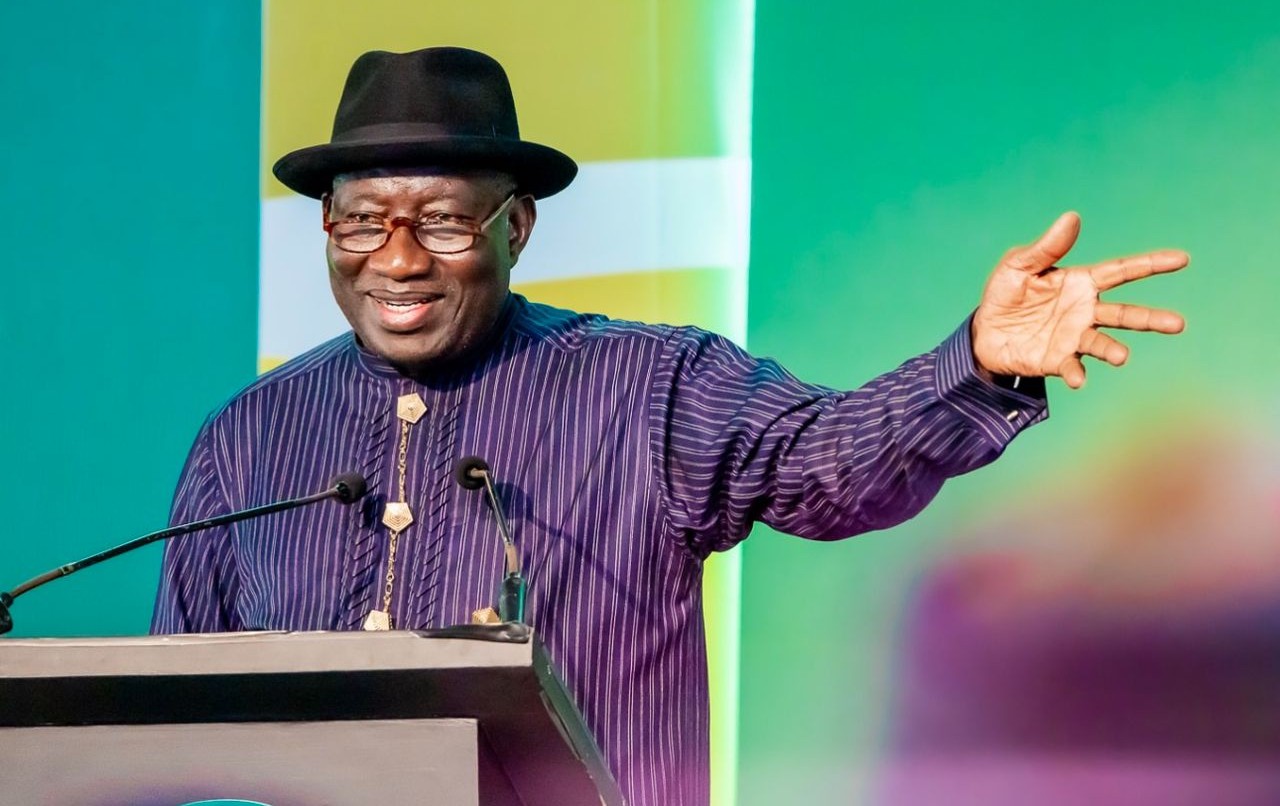
    Dr. Goodluck Ebele Jonathan

    Goodluck Jonathan’s eligibility to contest the 2027 presidential election sits at the intersection of two constitutional provisions that were not designed with his exact circumstances in mind. Understanding whether he can run again requires reading the 1999 Constitution carefully, including an amendment that did not exist when Jonathan was president, and deciding how far back that amendment reaches.

    How Jonathan Became President Twice Without Winning Two Elections

    Jonathan’s path to the presidency was unconventional by any measure. He became Yar’Adua’s running mate in 2007 and was elected Vice President under the PDP ticket. When Yar’Adua fell seriously ill and left Nigeria for medical treatment in Saudi Arabia, the country entered a prolonged period of political uncertainty. The National Assembly eventually passed a resolution in February 2010 allowing Jonathan to assume full presidential powers as Acting President. Yar’Adua returned briefly but never recovered, and died on May 5, 2010. Jonathan was sworn in as substantive president the very next day, on May 6, 2010, to complete what remained of Yar’Adua’s term.

    That term ended in May 2011. Jonathan then ran for a full four-year term in the April 2011 presidential election, won decisively with roughly 59 percent of the vote, and was inaugurated on May 29, 2011. He served that term through to May 2015, when Buhari defeated him in an election that became a landmark moment in Nigerian democratic history. By the time he left office, Jonathan had taken the presidential oath twice: once in 2010 to complete Yar’Adua’s tenure, and again in 2011 after winning his own mandate.

    This is the factual baseline from which every legal argument about his eligibility flows. How you characterise those two stints in office, whether they count as one term, two terms, or something in between, determines what the constitution has to say about a third.

    What Section 137 of the 1999 Constitution Actually Says

    The primary constitutional provision governing presidential eligibility is Section 137(1)(b) of the 1999 Constitution, which states that a person shall not be qualified for election to the office of President if they have already been elected to that office at any two previous elections. On this provision alone, Jonathan appears in the clear. He was elected as president exactly once, in 2011. His 2010 assumption of the presidency was not through an election; it was through constitutional succession following Yar’Adua’s death.

    The 2013 ruling of the Federal Capital Territory High Court confirmed this interpretation. In Cyriacus Njoku v PDP and Others, Justice Oniyangi held that Jonathan was serving his first elected term and was entitled to seek re-election in 2015. The Court of Appeal in Abuja upheld that position in 2015 in Cyriacus Njoku vs Goodluck Ebele Jonathan, ruling that Jonathan had only taken the oath of office once as an elected president and that his 2010 oath was simply to complete an unexpired tenure. Under that reading, Jonathan could have contested in 2015 for a second elected term, which he did, and lost.

    That means, if the analysis stops at Section 137(1)(b), Jonathan has only ever been elected president once. He has one more election he could lawfully contest. This is the legal foundation on which his supporters rest their case.

    The Fourth Alteration: The Amendment That Changed the Rules After Jonathan Left

    The complication is Section 137(3), which did not exist when Jonathan was president. It was introduced through the Fourth Alteration to the 1999 Constitution, signed into law by President Muhammadu Buhari on June 7, 2018, three years after Jonathan left office. The provision reads: a person who was sworn in to complete the term for which another person was elected as President shall not be elected to such office for more than a single term.

    Dr. Goodluck Ebele Jonathan

    This clause was clearly designed to address exactly the situation Jonathan had been in. A vice president or acting president who steps into the top job mid-term and then wins a full election would under this provision be entitled to only one additional elected term, not two. The intention was to close the loophole that Section 137(1)(b) appeared to leave open: that someone could serve a partial term through succession and still contest twice as an elected president, potentially occupying the office for up to twelve years.

    If Section 137(3) applies to Jonathan, the logic is straightforward. He was sworn in 2010 to complete Yar’Adua’s term. He then contested and won in 2011. The provision says a person in that situation cannot be elected for more than a single additional term. Jonathan has already used that single additional term. He cannot run again.

    The problem, and this is where Nigerian constitutional lawyers have been at war with each other, is that the Fourth Alteration was enacted in 2018, seven years after Jonathan completed his presidency. Does a law passed after the fact apply to a situation that was entirely resolved before the law existed?

    The Retroactivity Debate: Can a 2018 Law Bar a Man Who Left Office in 2015?

    Nigerian law, like most common law systems, has a strong presumption against retroactive legislation. Courts have repeatedly held that statutes operate prospectively unless the law itself clearly states otherwise. The Supreme Court in SPDC v Anaro and Others articulated this as a fundamental principle: a statute should not be construed to have retrospective operation unless such an effect appears clearly in the terms of the Act or arises by necessary and distinct implication.

    Section 137(3) says nothing about retrospective application. It has no savings clause, no express statement that it covers persons who completed another president’s term before the alteration came into force. On this basis, a significant group of Senior Advocates argues that the provision simply cannot reach Jonathan. His tenure was complete, his political rights as a former president had crystallised, and a law enacted three years later cannot retroactively strip him of an entitlement he had already earned under the constitution as it existed when he served.

    Professor Mike Ozekhome, SAN, has argued this position forcefully, as have Dayo Akinlaja, SAN, and Chief Akinlolu Kehinde, SAN. Their position received judicial support in a Federal High Court ruling in Yenagoa, Bayelsa State, in May 2022, which held that Section 137(3) does not apply retroactively to bar Jonathan from contesting.

    On the other side, Femi Falana, SAN, Professor Yemi Akinseye-George, SAN, and others argue that the total tenure concern animating Section 137(3) should govern regardless of when the amendment was made. Their position: the constitution does not permit anyone to hold the presidential office for more than two terms, however those terms are assembled, and Jonathan effectively has. Allowing him to run again would mean he could serve up to twelve years, the three years completing Yar’Adua’s term, plus four years of his elected term, plus a potential four-year third stint, which they argue defeats the entire purpose of term limits.

    The Aiyedatiwa Ruling and What It Means for Jonathan

    In March 2026, a Federal High Court in Akure, Ondo State, delivered a judgment that brought this debate sharply back into focus. Justice Toyin Adegoke ruled that Governor Lucky Aiyedatiwa of Ondo State is not eligible to contest the 2028 governorship election. The facts of Aiyedatiwa’s case closely mirror Jonathan’s in structural terms: he was sworn in as governor in December 2023 to complete the tenure of the late Rotimi Akeredolu, who died in office, then won a full gubernatorial election in November 2024. Section 182(3) of the constitution, the governor-level equivalent of Section 137(3), says that a person who was sworn in to complete a governor’s term shall not be elected to that office for more than a single term.

    Governor Lucky Aiyedatiwa of Ondo State

    Justice Adegoke ruled that Aiyedatiwa had used that single additional term when he won the 2024 election. He cannot run again in 2028. The court also held that the 1999 Constitution, as amended, does not permit any elected president, vice president, governor, or deputy governor to remain in office for more than eight years.

    The Aiyedatiwa ruling matters to Jonathan’s situation because it represents a court applying exactly the same constitutional logic that opponents of Jonathan’s candidacy have been advancing. Some analysts argue that since the provision at issue, Section 182(3) for governors, Section 137(3) for the president, is structurally identical, a court ruling on Jonathan’s eligibility would likely follow the same reasoning. Others point out that the Aiyedatiwa situation is different in one critical respect: when Aiyedatiwa stepped into the governorship in December 2023, Section 182(3) was already in force. He knew the constraint before he accepted the position. Jonathan, by contrast, completed Yar’Adua’s term in 2010, eight years before Section 137(3) was even written.

    The retroactivity distinction remains the clearest legal dividing line. Aiyedatiwa’s case did not require any retroactive application of the law. Jonathan’s case, if Section 137(3) is to disqualify him, necessarily does.

    The Live Court Case: FHC/ABJ/CS/2102/2025

    The debate is no longer confined to op-ed pages and television panels. A suit marked FHC/ABJ/CS/2102/2025 is currently before Justice Peter Lifu of the Federal High Court in Abuja. It was filed by lawyer Johnmary Jideobi, who is asking the court to declare Jonathan constitutionally ineligible to contest the 2027 presidential election and to restrain INEC from accepting or publishing his name as a candidate.

    Justice Lifu, on April 28, ordered that hearing notices be served on the defendants after they failed to file responses within the required time. Jonathan was listed as the first defendant, with INEC as the second and the Attorney-General of the Federation as the third. Jonathan’s lawyer, Chris Uche, SAN, appeared in court and said he had only become aware of the suit through media reports and was working to file all necessary processes. He also referenced previous court decisions on similar issues and questioned why the eligibility question was being relitigated.

    The court adjourned the matter to May 11, 2026. That hearing had not concluded at the time this article was written. The case could produce a definitive ruling, or the matter could travel through appeals for years before any final resolution is reached. Whatever the trial court decides, the losing side has obvious incentive to appeal, and an issue this consequential is unlikely to be settled below the Supreme Court.

    Jonathan’s Own Position and the Political Backdrop

    Jonathan himself has said nothing that constitutes a formal declaration of intent. On a Thursday in early May 2026, he received a delegation of youth groups at his office in Abuja who were pressing him to join the 2027 race. He acknowledged their appeal but did not commit. His exact words were: presidential race is not a computer game. But I’ve heard you and I’ll consult widely. He added that he would not rush into a political decision without wide consultations across the country.

    Dr. Goodluck Ebele Jonathan

    That response is calibrated for a man who knows a court case is active against him. A formal declaration of candidacy before the eligibility question is settled would be politically premature, and his legal team would know that. But the interest is clearly there, at minimum among his supporters. Reports suggest he may be considering aligning with the Nigeria Democratic Congress, a party that has also been courting former Labour Party presidential candidate Peter Obi and former Kano Governor Rabiu Kwankwaso. If Jonathan joins that platform, the opposition to Tinubu’s expected 2027 re-election bid suddenly has a very different shape.

    Jonathan’s reported May 6 visit to President Bola Tinubu at Aso Rock Villa, described by officials as relating to regional and continental issues, added another layer of political intrigue to an already complicated picture. Whether that meeting had any bearing on his presidential intentions is not publicly known.

    What Nigerian Voters Should Understand About This Legal Fight

    For ordinary Nigerians watching this, the constitutional argument can feel abstract. What it comes down to in plain terms is this: the constitution says no president can serve more than two terms. Jonathan served one partial term by succession and one full term by election. Whether that totals one term or two, for purposes of the constitutional limit, is a question that no Nigerian court has definitively answered at the highest level.

    The 2013 FCT High Court and the 2015 Court of Appeal both said Jonathan had only served one term as of those dates, which is why he was allowed to contest in 2015. But those rulings predate the Fourth Alteration of 2018. No Nigerian court has yet ruled on whether Section 137(3), as introduced in 2018, applies retroactively to Jonathan’s specific situation. The Yenagoa Federal High Court in 2022 said it does not. The active Abuja court case may say otherwise. And the Supreme Court has never spoken directly to the matter.
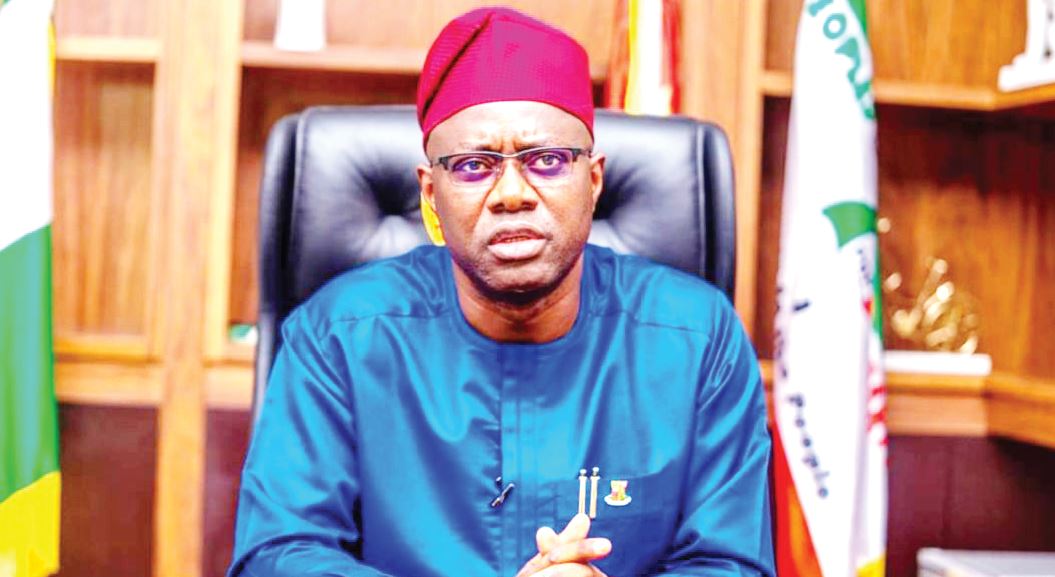
    Nigerians casting their votes during an election year

    This legal fog is not a minor technicality. INEC cannot screen and clear a presidential candidate whose eligibility is being actively litigated. Political parties cannot risk fielding someone who might be disqualified after primaries. And any election involving Jonathan without prior judicial clarity would almost certainly be challenged immediately. The cleanest outcome for everyone, Jonathan included, is a Supreme Court ruling that settles the question before 2027 campaigns begin in earnest.

    A Question the Courts Have to Answer Before Anyone Else Can

    Goodluck Jonathan is not constitutionally barred from running for president under a simple, obvious reading of the law. The provision most clearly aimed at his situation, Section 137(3), was enacted three years after he left office, and there is a serious, well-reasoned legal argument that it cannot reach him. At the same time, a recent court ruling on an analogous provision for governors has shown that Nigerian courts are willing to apply these limits firmly. The legal outcome for Jonathan is genuinely uncertain.

    What is certain is that the question will not resolve itself through debate. The Federal High Court case in Abuja is the beginning of a process, not the end of one. If Jonathan eventually declares and the courts clear him, he enters 2027 as one of the most recognisable opposition figures Nigeria has seen in years, backed by the democratic credibility his 2015 concession earned him. If the courts rule against him, the 2027 race looks entirely different. Either way, a case adjourned to May 11, 2026, is already one of the most consequential legal proceedings in this election cycle.

    For a country that has had to fight hard for every inch of democratic ground it holds, the principle underneath this dispute matters beyond Jonathan himself. Term limits are not procedural fine print. They are the constitutional mechanism by which power changes hands without violence. How Nigeria’s courts handle this question will say something about whether those limits are enforced consistently or applied selectively depending on who is asking.

  • AHEAD OF THE POLLS: Meet the major 2027 presidential hopefuls and their political histories

    AHEAD OF THE POLLS: Meet the major 2027 presidential hopefuls and their political histories

    As preparations intensify ahead of the January 16, 2027 general election, a growing number of political parties have completed their presidential primaries or announced candidates expected to contest the nation’s highest office.

    With 22 political parties currently registered by the Independent National Electoral Commission (INEC), at least 11 had produced presidential candidates as of May 31, reflecting an increasingly crowded political landscape.

    The emerging field features an incumbent seeking another term, alongside opposition figures spread across several parties and factions.

    Internal disputes within parties such as the Peoples Democratic Party (PDP), African Democratic Congress (ADC) and Social Democratic Party (SDP) have also produced parallel candidates, underscoring divisions that may shape the contest.

    Bola Tinubu

    President Bola Tinubu will fly the flag of the All Progressives Congress as he seeks re-election after assuming office in 2023.

    President Bola Tinubu

    Before becoming president, Tinubu served as Governor of Lagos State between 1999 and 2007.

    He is widely regarded as one of the influential figures behind the formation of the APC and played a prominent role in the election of former President Muhammadu Buhari in 2015.

    Sandy Onor

    Senator Sandy Onor emerged as the presidential candidate of a PDP faction aligned with former Governor Nyesom Wike of Rivers State.

    Sandy Onor

    Onor represented Cross River Central Senatorial District in the Senate from 2019 to 2023.

    He also previously contested for the governorship of Cross River State.

    Goodluck Jonathan

    Former President Goodluck Jonathan was nominated in absentia by a separate PDP faction led by Kabiru Tanimu Turaki.

    Former President Goodluck Jonathan

    Jonathan served as Nigeria’s president from 2010 to 2015 after previously holding office as Governor of Bayelsa State and later vice president.

    His tenure is often associated with the peaceful transfer of power following the 2015 presidential election.

    He has not made extensive public comments regarding the recent nomination.

    Atiku Abubakar

    Former vice president Atiku Abubakar.secured the presidential ticket of a faction of the African Democratic Congress led by David Mark.

    Atiku Abubakar

    Atiku served as vice president between 1999 and 2007 and remains one of the most recognisable figures within the PDP.

    He has contested for the presidency multiple times, including in the 2019 and 2023 elections.

    Dumebi Kachikwu

    Dumebi Kachikwu emerged as the presidential candidate of another ADC faction.

    He gained national attention after contesting the 2023 presidential election under the party’s platform.

    Kachikwu is also the younger brother of former minister of state for petroleum resources, Ibe Kachikwu.

    Chris Uba

    Prof. Chief Chris Uba was announced as the sole presidential candidate of a separate ADC faction by the factional national chairman, Bala Gombe.

    Chris Uba

    His emergence further reflects the internal divisions within the party ahead of the election.

    Omoyele Sowore

    Human rights activist, journalist and Sahara Reporters founder, Omoyele Sowore, will represent the African Action Congress.

    Sowore has previously contested the presidency twice on the platform of the AAC.

    Omoyele Sowore

    He remains one of the party’s most prominent figures.

    Adewole Adebayo

    Lawyer and businessman, Adewole Adebayo, secured the presidential ticket of the Social Democratic Party.

    Adewole Adebayo

    Adebayo also contested for the presidency under the SDP in an earlier election cycle.

    Peter Obi

    Former Governor of Anambra State, Peter Obi, emerged as the presidential candidate of the Nigeria Democratic Congress after leaving the Labour Party.

    Peter Obi and Rabiu Kwankwaso

    Obi governed Anambra State from 2006 to 2014 and was one of the leading contenders in the 2023 presidential election.

    He has selected former Governor of Kano State, Rabiu Musa Kwankwaso, as his running mate.

    Seyi Makinde

    The Governor Of Oyo State, Seyi Makinde, emerged as the presidential candidate of the Allied Peoples Movement.

    Seyi Makinde

    Makinde is currently serving his second term as governor and remains a notable figure in Nigerian politics.

    Aliyu Bin Abbas

    Aliyu Bin Abbas secured the presidential ticket of the Action Democratic Party.

    Aliyu Bin Abbas

    He previously served as a political aide to Atiku Abubakar.
    Dr Chibuzo Okereke

    Dr Chibuzo Okereke was named the presidential candidate of the Labour Party.
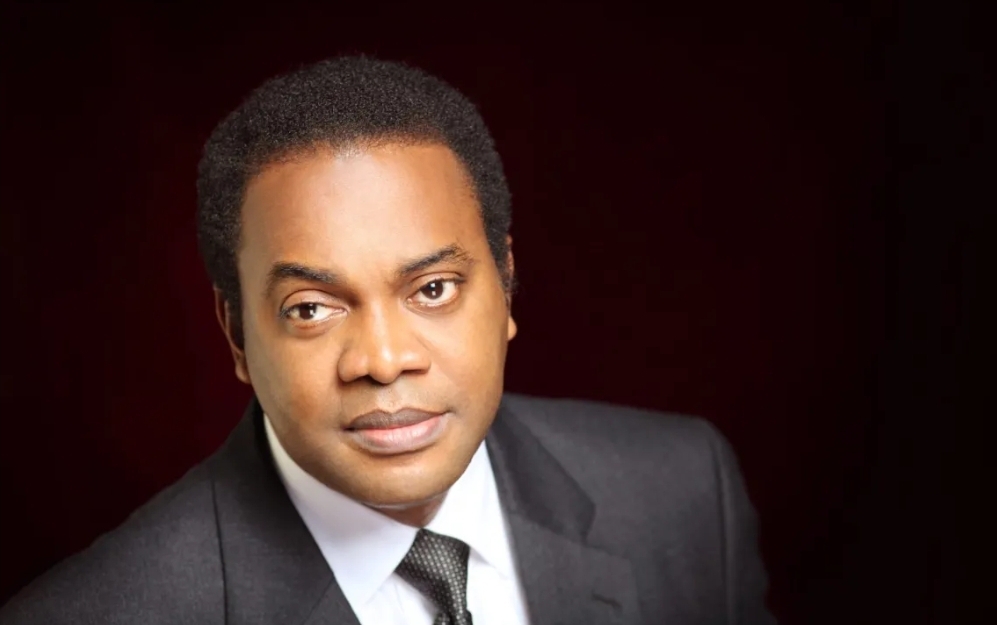
    LP Presidential Candidate, Dr Chibuzo Okereke

    Described as a governance expert and policy strategist, Okereke serves as a legislative consultant to committees and ranking members of the National Assembly.

    He is also a resident lecturer in the Department of Public Policy and Administration at Miva Open University, Abuja.

    Gbenga Olawepo-Hashim

    Businessman and politician, Gbenga Olawepo-Hashim, was unveiled by Accord as its presidential candidate on May 31.

    Gbenga Olawepo-Hashim

    Olawepo-Hashim, a former student activist, has maintained a presence in Nigeria’s political arena for several decades.

    He previously contested the 2019 presidential election on the platform of the People’s Trust.

    Donald Duke

    Former governor of Cross River State, Donald Duke, emerged as the presidential candidate of the People’s Redemption Party.

    Donald Duke

    Duke served as governor from 1999 to 2007 and remains one of the better-known political figures from southern Nigeria.

    Abimbola Akeem Atanda

    Abimbola Akeem Atanda emerged as the candidate of another SDP faction led by Shehu Gabam.

    His candidacy highlights the parallel leadership structures currently existing within the party.

  • INSIGHT: APC primary surge and the puzzle of Tinubu’s 2023 vote comparison

    INSIGHT: APC primary surge and the puzzle of Tinubu’s 2023 vote comparison

    The All Progressives Congress (APC) recorded a striking electoral contrast after its 2026 presidential primary figures for President Bola Tinubu significantly surpassed his 2023 general election votes across several states.

    Tinubu polled 10,999,160 votes in the party’s presidential primary, exceeding the 8,794,726 votes he secured in the 2023 general election by over two million votes.

    The development has triggered renewed debate over the APC’s internal mobilisation strength, membership structure, and the credibility of party registers ahead of the 2027 general elections.

    The primary, unlike the general election, was restricted to party members, while the 2023 contest involved a nationwide electorate exceeding 93 million registered voters alongside strong opposition participation.

    Political observers say the figures raise questions about the scale of APC’s verifiable membership strength and the efficiency of its internal electoral processes.

    Party officials, however, maintain that the outcome reflects improved membership registration and heightened loyalty to President Tinubu within the ruling party structure.

    STATE-BY-STATE SHIFT IN SUPPORT PATTERNS

    A breakdown of the results shows significant increases in several states when compared with Tinubu’s 2023 general election performance.

    Imo State recorded a jump from 66,406 votes in 2023 to 582,960 in the 2026 primary, marking an increase of 516,554 votes.

    STATE-BY-STATE BREAKDOWN

    Adamawa State rose from 182,881 votes to 644,149, reflecting a gain of 461,268 votes in the APC internal contest.

    Enugu State moved from 4,772 votes in 2023 to 383,382 in the primary, showing a surge of 378,610 votes.

    Delta State also increased from 90,183 votes to 407,646, while Gombe rose from 146,977 to 450,517 in the same period.

    Lagos State, Tinubu’s political base, climbed from 572,606 votes in 2023 to 814,988 in the primary, reflecting a gain of 242,382 votes.

    Akwa Ibom, Kaduna, Bayelsa, Ebonyi and Borno also recorded substantial increases ranging from over 160,000 to 228,000 votes.

    However, some northern and south-west states recorded declines compared with the 2023 general election figures.

    Kano, Katsina, Ogun, Edo, Kogi and Plateau all showed moderate to significant reductions in APC primary votes compared with the previous general election.

    Oyo State recorded the steepest decline, falling from 449,884 votes in 2023 to 142,754 in the 2026 primary, representing a drop of over 300,000 votes.

    Osun, Niger, Ondo, Ekiti and Bauchi also posted sharp decreases, with Ekiti alone falling by more than 116,000 votes.

    REGIONAL TRENDS AND POLITICAL IMPLICATIONS

    The strongest gains were concentrated in the South-East and parts of the South-South, where APC historically underperformed during the 2023 general elections.

    States such as Imo, Enugu, Ebonyi, Abia, Delta, Bayelsa and Akwa Ibom recorded some of the most dramatic increases in internal party votes.

    In the South-West, Lagos showed a strong rebound, although other states such as Oyo, Osun, Ondo and Ekiti experienced declines.

    The North-East presented mixed outcomes, with Adamawa and Gombe recording major gains while others showed modest growth or slight declines.

    Party insiders attribute the surge in primary votes to intensified mobilisation efforts, expanded membership drives and the influence of political stakeholders within the APC structure.

    In March 2026, the APC national leadership disclosed that about 12 million members had been registered and linked with National Identity Numbers in compliance with electoral regulations.

    However, critics argue that internal party primaries often lack the level of scrutiny present in general elections, raising concerns about inflated figures and inconsistent voter verification systems.

    They also point to differences in voter turnout patterns between general elections and party primaries as a possible factor, although they note that turnout gaps alone may not fully explain the disparity.

    WHAT THE NUMBERS MEAN FOR 2027

    Analysts say the figures suggest a party with strong internal cohesion and mobilisation capacity, even as it continues to face challenges in converting that strength into broader electoral appeal.

    While the primary results reinforce President Tinubu’s dominance within the APC, they also highlight the gap between party-based support and national election outcomes.

    The data is expected to intensify discussions around membership authenticity, electoral preparedness, and the party’s grassroots reach ahead of 2027.

    Ultimately, the APC now appears internally consolidated, but the broader test remains how effectively it can translate internal numbers into votes at the national ballot.