Tag: Nigeria

  • June 14: Nigeria joins World Blood Donor Day

    June 14: Nigeria joins World Blood Donor Day

    On June 14, 2008, Nigeria marked its first official World Blood Donor Day celebration. The Federal Ministry of Health joined the global event under the 2008 theme, “Giving Blood Regularly.”


    World Blood Donor Day was established by WHO in 2004, and first celebrated in 2005, so 2008 was Nigeria’s debut commemoration.

    The launch included a ministerial press briefing and a national live radio program, “Saturday Morning Live,” held at the Saudi Arabia ambassador’s residence in Abuja.

    The 2008 event also highlighted Nigeria’s National Blood Transfusion Service. NBTS’s first centre opened in Abuja in Dec 2004, and by 2008 Nigeria had 11 operational centres across all 6 geopolitical zones.

    Nigeria has commemorated it every year on June 14, with press briefings, “walk for life” processions, blood drives, and campaigns to push voluntary non-remunerated donation.

    According to WHO, Nigeria has used the day yearly since its inception to raise awareness and collect blood.

  • HUNGER IN THE HOME: How rising food prices are reshaping the Nigerian diet

    HUNGER IN THE HOME: How rising food prices are reshaping the Nigerian diet

    Across Nigerian households, a quiet but profound shift is underway, as families reorganise their meals, reduce portions and rethink what it means to eat.

    The worsening cost-of-living crisis deepened its hold on millions of Nigerians in the first quarter of 2026, with fresh data revealing another round of increases in the prices of basic food items, further stretching household budgets already worn thin by years of inflation.

    A mother of four in Ikeja, Adebimpe Olatunji, captured the daily reality facing many families when she said: “We manage, the children may take bread before school, then the proper meal comes later. Sometimes everybody skips breakfast.”

    Another mother, Patricia, described the shift in expectations with equal bluntness, saying: “It is no longer about eating well, it is just making sure everybody eats something.”

    For Angela, a civil servant and single mother, the erosion of purchasing power had become most visible through absence, explaining that “you notice your salary more through what it cannot do anymore.”

    Teachers working in public schools have begun observing the consequences firsthand, with Tunde Lawal, who teaches in Lagos, noting that some pupils now arrive without food for break time.

    “You can tell when a child has not eaten properly. Some struggle to pay attention,” he said.

    At Mile 12 market in Lagos, traders confirmed that buying patterns had changed significantly, with pepper seller Ope noting: “Everything is now small, small. Before, somebody buys a basket, now it may just be a handful.”

    The National Bureau of Statistics, NBS, Consumer Price Index report for 2025 showed that food inflation remained in double digits for most of the year, with rice, beans, yam and maize recording sharp price increases across urban centres.

    In Lagos, rice that sold for between N250 and N300 per kilogram in 2015 now fetches between N1,800 and N2,200, while beans have moved from roughly N300 per kilogram to as much as N2,800.

    A crate of eggs that once cost below N1,000 now sells for up to N6,000 in some parts of the city.

    The latest NBS Food Price Watch, covering December 2025 to March 2026, showed that sweet potatoes recorded the sharpest increase during the period, rising by 10.03 per cent from N752.86 to N828.34.

    Irish potatoes followed with a 7.45 per cent increase to N2,044.40, while the average price of one agric egg climbed by 6.44 per cent to N256.48 and the price of a crate rose by 3.38 per cent to N6,127.62.

    Yam tubers rose by 4.38 per cent to N2,144.70, with Delta State recording one of the highest average prices in the country at N2,680.21.

    White beans increased by 6.31 per cent to N1,276.63, and brown beans rose by 6.06 per cent to N1,325.85, dealing a significant blow to low-income households that have long depended on legumes as an affordable source of protein.

    Nigeria’s annual inflation rate, which had declined for 12 consecutive months to 15.06 per cent in February, reversed course and rose to 15.38 per cent in March and 15.69 per cent in April, with annual food inflation reaching 16.06 per cent in April.

    When household incomes are stretched, nutrition is often the first casualty, with single mother Onome David, who earns a minimum wage, explaining: “To survive, you remove meat first. Then fish, then you adjust every other thing.”

    Community nutrition practitioner, Eunice Obi, said she frequently observed this pattern in low and middle-income neighbourhoods, warning that “people depend more on starch now because they just want food that fills the stomach.”

    Nutrition researcher, Dr. Shoba Suri, cautioned that the health consequences of such dietary shifts are not always immediately apparent, noting: “When families switch mostly to cheaper staples, fruits, vegetables and protein reduce first. The body may still feel full, but important nutrients are missing.”

    Paediatric nutrition specialist at the University of Colorado, Carina Venter, warned that poor diets might affect growth and brain development in children, even when they appeared to eat regularly.

    The President of the Nutrition Society of Nigeria, Professor Salisu Abubakar, said poor nutrition often developed quietly before any visible health problems emerged.

    Former president of the society, Professor Ngozi Nnam, stressed that quantity alone was no measure of adequate nutrition, saying: “A child may eat regularly and still suffer malnutrition if the meals lack variety.”

    Managing Director of Kamary Nutrition Consult, Mrs. Amaka Nwaora, urged Nigerians not to assume that nutritious meals required expensive ingredients, saying: “Local foods are still some of the best options. Beans, millet, sweet potatoes, ugwu, groundnuts and local vegetables are nutritious and often cheaper than processed foods.”

    “A shopping list helps people focus on what they actually need. Buying in bulk markets can save money too,” she added.

    Compounding the crisis, the federal government has raised alarm over a deepening food safety emergency, with the Minister Of State For Health And Social Welfare, Dr. Iziaq Salako, disclosing that unsafe food was responsible for nearly 50 million illnesses and more than 53,000 deaths in Nigeria every year.

    Speaking at a ministerial briefing in Abuja to mark the 2026 World Food Safety Day, themed “From Burden to Solutions – Safe Food Everywhere,” Dr. Salako said the combined toll translated into a staggering 4.26 million years of healthy life lost to sickness, disability and premature death.

    “Most of this burden falls heavily on children under five who account for more than 80 per cent of all foodborne disease burden in Nigeria,” he said.

    He further warned that “the true cost of unsafe food in Nigeria is not only measured in sickness and death but also in the lost developmental potential of our children.”

    Over 40 million diarrhoeal illnesses annually were linked to dangerous pathogens such as Salmonella, E. coli, Campylobacter, Shigella and Rotavirus, according to the minister.

    The Permanent Secretary of the Federal Ministry Of Health And Social Welfare, Ms. Kachollom Daju, stressed that food safety and healthy nutrition could no longer be treated as separate concerns, warning that microbial contamination and poor dietary practices were converging to deepen the country’s public health burden.

    “This year’s theme challenges us to move beyond understanding the problem and focus on practical, coordinated and sustainable solutions that will ensure every Nigerian has access to safe and healthy food,” she said.

    The World Health Organisation, WHO, urged Nigeria to act on newly available country-specific evidence, stating that “safe food is not a luxury, it is a fundamental human right and a cornerstone of health, nutrition and economic productivity.

    Editor’s Note: The names used in this story are pseudonyms to protect the identities of those involved.

  • U.S Federal Court lifts Donald Trump’s Travel Ban Policies: What it means for Nigerians

    U.S Federal Court lifts Donald Trump’s Travel Ban Policies: What it means for Nigerians

    A decision handed down inside a United States courtroom has suddenly placed thousands of stalled immigration cases back in the spotlight, leaving many families, workers, students, asylum seekers, plus hopeful migrants closely watching what happens next. For months, uncertainty had surrounded applications that seemed trapped without answers, creating anxiety for people whose plans, careers, reunions, plus dreams depended on decisions that never came.

    Now, a federal judge’s ruling has changed part of that picture, opening fresh conversations about immigration policies introduced under President Donald Trump’s administration. While many headlines have suggested that a major barrier has fallen, the reality is far more layered, with legal questions, existing restrictions, plus future appeals still hanging over the issue.

    For Nigerians whose lives, studies, careers, or family ties are connected to the United States, the latest development carries important implications. Yet beneath the headlines lies a deeper story that stretches from security concerns raised after a tragic event in 2025 to a legal battle that has reached one of America’s federal courts. Understanding what happened, why the court stepped in, plus what remains unchanged offers a clearer picture of what this ruling truly means.

    How The Story Reached A Federal Court

    A major legal development emerged on June 5, 2026, when Chief United States District Judge John McConnell ruled against immigration policies introduced through the United States Citizenship and Immigration Services, commonly known as USCIS. His decision represented one of the biggest judicial setbacks faced by immigration measures linked to President Donald Trump’s administration since his return to the White House.

    The ruling centered on policies that had effectively frozen numerous immigration applications involving nationals from 39 countries spread across Africa, Asia, Latin America, plus the Middle East. Thousands of individuals found themselves unable to move forward with applications that had already been submitted, creating prolonged uncertainty for families, workers, plus people seeking legal protection.

    Judge McConnell concluded that the measures exceeded the authority granted to USCIS under existing laws. He ordered the policies vacated, meaning the agency could no longer continue enforcing those nationality based freezes. The decision immediately drew attention because of the large number of people potentially affected by the restrictions.

    Despite the significance of the ruling, legal experts quickly pointed out that the decision addressed only one portion of the broader immigration restrictions associated with Donald Trump’s administration. Several separate presidential measures remain untouched by the court’s order, leaving the overall picture far more complicated than some headlines initially suggested.

    Events That Triggered Tougher Measures

    The roots of the controversy can be traced back to 2025. Following a shooting incident in Washington, D.C., which authorities alleged involved an Afghan immigrant, concerns about national security once again became a dominant issue in immigration discussions.

    President Donald Trump’s administration responded by pursuing stricter immigration procedures. Officials argued that stronger measures were necessary to prevent potential threats while ensuring that applicants entering the country underwent greater scrutiny.

    USCIS subsequently adopted policies that placed numerous applications under indefinite holds whenever they involved citizens from certain countries. Rather than issuing approvals or denials, many files simply stopped moving through the system. Applicants received few explanations regarding how long the delays would last or when decisions could eventually be made.

    People affected by the freezes included workers hoping to continue their employment in the United States, families seeking reunification, asylum seekers pursuing protection, plus individuals attempting to secure permanent residence. Months passed without progress for many applicants, leading to frustration plus growing legal challenges.

    Concerns gradually expanded beyond the applicants themselves. Advocacy organizations, labor groups, plus legal experts questioned whether the agency possessed the authority to suspend applications in such a sweeping manner based largely on nationality.

    Countries Drawn Into The Restrictions

    The controversial measures reached far beyond a single region. Citizens from 39 countries found themselves facing various forms of delayed immigration processing. Many of those countries were located across Africa, Asia, Latin America, plus the Middle East.

    People from affected nations experienced prolonged waiting periods without clear timelines. Families already separated across continents struggled with uncertainty, while professionals seeking employment opportunities watched their plans remain suspended indefinitely.

    Applicants often faced significant emotional burdens. Some had already invested years preparing documentation, attending interviews, plus meeting various legal requirements. Others had employment opportunities waiting or relatives expecting reunions. The indefinite nature of the delays created widespread anxiety among communities connected to the United States immigration system.

    Questions eventually arose regarding whether nationality alone had become a decisive factor in determining whose applications moved forward. Those concerns later formed part of the arguments presented before the federal court.

    Applications That Became Stuck

    Several categories of immigration benefits were affected by the USCIS policies. Green card applications became trapped within the system, leaving many people unable to obtain permanent resident status despite meeting necessary requirements.

    Work permit applications also experienced delays. For immigrants whose ability to remain employed depended upon timely renewals, the uncertainty carried serious consequences. Some individuals faced fears about losing jobs or experiencing interruptions to their livelihoods.

    Asylum requests represented another major category impacted by the policies. People seeking protection from persecution often found themselves waiting without any indication regarding when their cases would proceed. Since asylum applicants frequently face urgent circumstances, the delays created additional concerns among legal advocates.

    Citizenship applications also became entangled in the freezes. Individuals who had already spent years building lives inside the United States suddenly encountered barriers preventing them from completing the naturalization process.

    Adjustment of status petitions plus several other immigration benefits experienced similar interruptions. Rather than isolated cases, the issue involved thousands of applications spread across multiple immigration categories.

    Growing Frustration Among Applicants

    Months of silence produced deep frustration among affected individuals. Many applicants had carefully followed immigration requirements, gathered documentation, paid filing fees, plus waited patiently for decisions. Yet their cases appeared frozen without explanation.

    Families planning reunions faced continued separation. Parents remained apart from children, husbands from wives, plus relatives from loved ones whose immigration status remained unresolved. The emotional strain became increasingly difficult for many households.

    Professionals hoping to continue careers within the United States worried about their future. Students preparing academic plans encountered uncertainty surrounding long term prospects. Business owners dependent upon skilled workers also experienced concerns as applications remained stalled.

    The absence of predictable timelines intensified anxiety. Unlike ordinary processing delays, the indefinite holds created fears that applications might remain suspended for years. Those concerns contributed to mounting pressure on advocacy groups to challenge the measures in court.

    Lawsuit Begins

    Opposition to the policies eventually took legal form. Several immigrant advocacy organizations joined forces with labor unions plus the legal group Democracy Forward to challenge the measures.

    Their lawsuit argued that the government had exceeded its authority by imposing broad restrictions based on nationality. Plaintiffs maintained that immigration laws did not grant USCIS unlimited power to indefinitely freeze applications involving people from specific countries.

    Another argument focused on administrative procedures. According to those challenging the measures, the government had failed to provide sufficient legal justification supporting the sweeping restrictions.

    Claims of discrimination also formed an important part of the case. Lawyers argued that nationality based treatment violated principles embedded within immigration law plus administrative regulations.

    The lawsuit ultimately reached Chief United States District Judge John McConnell, whose decision would carry consequences extending far beyond the individual plaintiffs involved.

    June 5, 2026 Ruling

    On June 5, 2026, Judge John McConnell delivered a ruling that represented a significant legal defeat for the challenged policies. After reviewing the arguments, he concluded that USCIS lacked legal authority to impose such indefinite freezes.

    The judge found that the measures conflicted with existing immigration statutes plus administrative law requirements. According to the ruling, the agency had gone beyond powers granted by Congress.

    Another issue identified by the court involved the nationality based nature of the restrictions. Judge McConnell concluded that the policies improperly targeted applicants according to their countries of origin.

    Questions regarding justification also played an important role. The court determined that the government had failed to provide sufficient legal grounds supporting the broad suspension of applications affecting thousands of individuals.

    As a result, the judge ordered the policies vacated. That order effectively prevented USCIS from continuing to maintain those nationality based freezes.

    Why The Decision Matters

    The significance of the ruling extends beyond a technical legal dispute. Thousands of applicants whose cases had been trapped within the immigration system suddenly saw renewed hope that processing could resume.

    Families separated by immigration delays may eventually receive decisions that had remained out of reach for months. Workers whose permits were stalled could experience progress. Individuals seeking citizenship or permanent residency may finally see movement in cases that appeared frozen indefinitely.

    The ruling also sends a broader message regarding the limits placed upon government agencies. Federal courts possess the authority to review executive branch actions plus determine whether agencies have acted within the boundaries established by law.

    Although legal battles over immigration are common in the United States, decisions involving thousands of applicants across dozens of countries naturally attract considerable attention because of their human consequences.

    Trump’s Broader Travel Restrictions Remain

    Despite widespread attention surrounding the court ruling, the decision does not erase Donald Trump’s broader travel restrictions. Several presidential proclamations affecting entry into the United States remain active.

    Late in 2025, additional visa restrictions expanded existing measures. Those policies entered 2026 with both full restrictions plus partial restrictions affecting various countries.

    Presidential proclamations operate differently from the USCIS policies struck down by Judge McConnell. Since the recent decision focused specifically on nationality based application freezes imposed through USCIS, it did not automatically invalidate separate presidential actions governing visas plus entry into the country.

    Consequently, many immigration limitations continue to exist despite the court’s order. Travelers plus applicants may still encounter restrictions depending upon their nationality, visa category, plus individual circumstances.

    This distinction explains why legal observers have emphasized that the ruling represents only a partial victory rather than a complete dismantling of the broader travel framework associated with Donald Trump’s administration.

    Nigeria’s Place In The Picture

    Nigeria occupies an important position within the broader discussion. Under revised measures introduced by the Trump administration, Nigerians have faced partial travel restrictions affecting certain visa categories.

    Some Nigerian nationals also found themselves among applicants whose immigration benefits experienced delays because of USCIS holds. Consequently, the June 5, 2026 ruling carries particular relevance for many Nigerians with pending applications.

    Students pursuing educational opportunities, professionals seeking employment, plus families attempting reunification have closely monitored developments surrounding the case. For applicants whose files were caught in the nationality based freezes, the court’s decision may allow processing to resume.

    Yet challenges remain. Separate visa related restrictions affecting Nigerians continue to exist. Therefore, the ruling should not be interpreted as removing every obstacle facing Nigerian travelers or immigrants.

    Understanding that distinction remains important because expectations surrounding the court’s decision have sometimes exceeded what the ruling actually accomplished.

    Meaning For Nigerians With Pending Cases

    Nigerians currently waiting on immigration applications could experience renewed movement following the court’s decision. Cases involving green cards, work permits, citizenship applications, asylum requests, plus adjustment of status petitions may gradually begin progressing once again.

    Processing timelines are unlikely to change overnight. USCIS must implement the court’s order while addressing backlogs created during months of delays. Thousands of pending applications may require renewed review before final decisions are issued.

    Applicants should also remember that every case remains subject to ordinary legal requirements. The ruling does not guarantee approvals. Rather, it removes the nationality based freezes that prevented cases from moving forward.

    Individuals with pending applications may therefore experience progress, though outcomes will continue to depend upon existing immigration laws plus eligibility requirements.

    Possibility Of An Appeal

    Legal disputes involving major federal policies rarely end after a single court ruling. The Trump administration retains the option of appealing Judge McConnell’s decision.

    An appeal could place the issue before higher courts, potentially leading to additional legal battles stretching well beyond 2026. Appellate judges would review whether the lower court correctly interpreted the law when invalidating the USCIS policies.

    Future court decisions could affirm the ruling, modify portions of it, or potentially reverse certain conclusions. Consequently, the legal story surrounding the restrictions may continue evolving over time.

    Appeals are common features of major immigration disputes in the United States. For that reason, observers have cautioned against viewing the June 5, 2026 decision as the final chapter.

    Thousands Of Cases Could Move Again

    Perhaps the most immediate consequence involves the thousands of applications that had remained suspended. Once nationality based freezes are removed, many applicants may finally receive updates regarding their cases.

    Processing backlogs accumulated over months will likely require time to address. Nevertheless, renewed activity could offer relief to people who have spent extended periods living with uncertainty.

    Families hoping for reunification may begin receiving long awaited decisions. Workers seeking permits could see progress. Individuals pursuing permanent residency or citizenship may finally move closer to completing processes that had appeared frozen indefinitely.

    For countless applicants, the court’s ruling represents more than a legal development. It touches deeply personal goals involving careers, education, family relationships, plus future plans.

    Legal Battle Far From Over

    Immigration policy has remained one of the most contested issues within American politics for decades. Court challenges, executive actions, congressional debates, plus administrative regulations frequently intersect, producing complicated legal landscapes.

    The June 5, 2026 ruling fits within that broader pattern. Although Judge McConnell’s decision struck down nationality based application freezes imposed through USCIS, separate restrictions continue to shape immigration realities.

    Future lawsuits could emerge. Appeals may alter aspects of the ruling. Presidential actions plus administrative decisions could produce additional changes. Consequently, the issue remains dynamic rather than settled.

    People affected by immigration policies often find themselves navigating systems shaped not only by laws but also by ongoing legal disputes that evolve over time.

    Bottom Line

    Chief United States District Judge John McConnell’s June 5, 2026 decision marked a significant setback for immigration policies implemented through USCIS during President Donald Trump’s administration. The court ruled that nationality based freezes affecting applications from 39 countries exceeded the agency’s authority, violated immigration laws, plus lacked sufficient legal justification.

    Green cards, work permits, asylum requests, citizenship applications, adjustment of status petitions, plus other immigration benefits had remained stalled for months under those policies. With the restrictions vacated, thousands of delayed cases could once again move through the immigration system.

    Yet the ruling did not erase Donald Trump’s broader travel restrictions. Separate presidential proclamations plus visa measures remain active, meaning the larger legal struggle surrounding immigration policies is still unfolding.

    For Nigerians with pending applications, the decision offers renewed hope but not complete freedom from existing restrictions. While one chapter has changed, the wider story surrounding United States immigration policy continues to develop, with future appeals plus additional legal battles likely to determine what comes next.

  • Nigeria among 60 countries to be hit with fresh U.S sanctions – Reasons outlined

    Nigeria among 60 countries to be hit with fresh U.S sanctions – Reasons outlined

    A single policy document released by trade officials in the United States has begun to ripple through global markets, with a level of quiet tension that rarely accompanies early stage trade decisions, especially when it involves as many as 60 countries at once, including Nigeria.

    The language surrounding the announcement has triggered confusion, speculation, and rapid interpretation across news cycles, with many early reports describing it as sanctions, while the actual structure of the proposal points toward a different kind of economic pressure that operates through tariffs rather than direct political punishment.

    At the centre of this unfolding situation is a review tied to forced labour concerns, global supply chain compliance, and competitive fairness as defined by United States trade authorities under a legal framework that allows wide reaching investigation into international trade practices.

    What makes this development more sensitive is not just the number of countries involved, but the way the policy could reshape import costs, export competitiveness, and long standing trade routes that many economies depend on for stability and foreign earnings.

    The details are still moving through formal stages, but the direction of the proposal has already created anticipation across diplomatic, manufacturing, and agricultural sectors that are closely tied to the American consumer market.

    Policy Trigger Background

    The development began with a structured trade review process carried out under Section 301 authority, a legal instrument used by the United States to investigate foreign trade practices considered harmful to domestic industries.

    Officials focused their attention on allegations related to forced labour exposure in global supply chains, particularly where raw materials, agricultural goods, and manufactured products may have links to labour environments that fail to meet internationally accepted standards.

    By June 2 to June 3, 2026, the United States Trade Representative office had moved the issue into a formal proposal stage, expanding its scope to approximately 60 economies across Africa, Asia, Europe, and Latin America.

    Nigeria was included in the group, not as a standalone target, but as part of a broader classification of countries assessed to have weak enforcement systems or inconsistent regulatory monitoring over labour standards in export production chains.

    The inclusion list also spans major economies such as India, China, Brazil, South Africa, Japan, the United Kingdom, European Union member states, and Canada, which highlights the global scale of the review rather than a narrow bilateral dispute.

    Classification Structure Within The Proposal

    The proposal is built around two primary tariff classifications that determine the level of import tax adjustment depending on compliance strength and enforcement capacity.

    The first classification proposes a 10 percent tariff increase on imports from countries that maintain some form of forced labour regulation framework, but are considered to have weak enforcement consistency or limited monitoring capacity across industries.

    The second classification proposes a 12.5 percent tariff increase for countries assessed as having minimal enforcement systems, or where regulatory mechanisms are judged insufficient to prevent forced labour exposure in supply chains connected to exports.

    These tariffs would apply specifically to goods entering the United States market, meaning they function as import costs rather than export restrictions, and would be collected at the point of entry depending on product classification and country of origin.

    The structure indicates an attempt to use economic pressure as a behavioural corrective mechanism rather than direct political sanctions, although the impact on trade relationships may still produce diplomatic tension depending on final implementation.

    Nigeria Position Within Global Listing

    Within the current classification, Nigeria appears under the category of countries identified as having limited enforcement capacity in relation to forced labour monitoring systems and supply chain regulation frameworks.

    This placement does not indicate isolation or targeted punishment, but rather inclusion in a broad compliance sweep that covers multiple continents and diverse economic systems operating at different levels of industrial development.

    For Nigeria, the concern is tied largely to agricultural exports, raw material shipments, and sectors that are deeply integrated into global commodity markets where traceability and labour verification standards are becoming increasingly strict.

    Products such as cocoa, sesame seeds, cashew exports, and select mineral based materials are among categories that could be affected depending on final tariff application rules and exemption clauses that may be introduced during the consultation phase.

    At the same time, energy related exports and essential raw materials may be partially exempt depending on strategic trade considerations outlined within the proposal framework.

    Distinction Between Tariffs U.S Sanctions

    A major point of clarification within the policy discussion is the difference between tariffs and sanctions, a distinction that has been widely blurred in early media interpretation.

    Sanctions typically involve direct restrictions on financial systems, diplomatic engagement, travel access, or asset controls that target governments, institutions, or individuals.

    Tariffs however operate through taxation of imported goods, increasing the cost of entry into a domestic market without directly restricting diplomatic relations or freezing financial systems.

    The current proposal falls into the tariff category, meaning that while economic pressure is real, it does not constitute political isolation or direct punitive sanctions against countries listed.

    The distinction is important for understanding the scope of impact, because tariffs influence trade competitiveness rather than diplomatic recognition or international participation.

    Historical Legal Framework – Section 301

    The legal foundation for this action is rooted in Section 301 of the Trade Act of 1974, a long standing mechanism used by the United States to address what it considers unfair foreign trade practices.

    This legal framework allows investigation into policies or conditions that may disadvantage American industries through pricing distortions, labour exploitation concerns, or regulatory imbalances across global supply chains.

    Over time, Section 301 has been used in various global trade disputes, often resulting in negotiations, tariff adjustments, or revised trade agreements depending on the outcome of consultations and hearings.

    The current case represents one of the broader applications of the framework due to the scale of countries involved and the focus on labour conditions rather than a single industry or bilateral dispute.

    Supply Chain Labour Focus Rationale

    The central argument behind the proposal is linked to the idea that forced labour practices, where they exist, can artificially reduce production costs and create unfair competition in global markets.

    United States trade officials argue that this creates a pricing imbalance that disadvantages domestic manufacturers who must comply with stricter labour regulations and higher operational costs.

    The policy therefore positions tariff increases as a corrective measure intended to encourage stronger enforcement systems internationally and improve transparency within supply chain operations.

    This approach reflects a growing trend in global trade policy, where labour standards are increasingly tied to market access conditions, especially in large consumer economies.

    Potential Trade Impact Scenarios Nigeria

    If the proposal is approved in its current form, Nigerian exporters could face increased costs when accessing the United States market, particularly in sectors dependent on price competitiveness such as agriculture and raw materials.

    A tariff range of 10 percent to 12.5 percent could reduce demand for certain exports if buyers shift toward alternative suppliers with lower cost entry points.

    This may encourage diversification of export destinations toward Europe, Asia, and regional African markets where tariff structures differ or where trade agreements provide preferential access.

    Business operators in affected sectors may also experience pressure to improve certification systems, traceability documentation, and labour compliance verification in order to maintain competitiveness in regulated markets.

    However, the final impact remains dependent on exemption clauses, product specific carve outs, and the outcome of ongoing consultation processes scheduled for mid 2026.

    Global Reaction Environment

    The inclusion of approximately 60 countries has created a complex international reaction environment, where the focus is not limited to a single region or economic bloc.

    For many countries, the concern lies in how enforcement standards will be measured, what verification systems will be used, and whether compliance expectations are consistent across different levels of economic development.

    Developing economies in particular face additional pressure due to limited regulatory infrastructure, making rapid adaptation to new compliance standards more challenging.

    At the same time, major industrial economies included in the list also face scrutiny, which reinforces the global rather than selective nature of the proposal.

    Consultation Phase Timeline

    The proposal is currently in a consultation and review stage, with public hearings and stakeholder feedback expected to take place through July 2026.

    During this period, governments, trade organisations, and industry representatives are expected to submit responses, challenge classifications, or request exemptions based on sector specific conditions.

    No enforcement has begun, and no tariff adjustments have been applied at the time of the announcement, meaning the policy remains subject to modification before final approval.

    This stage is often where significant revisions occur, especially in large scale trade proposals involving multiple economies with differing regulatory structures.

    Economic Interpretation Outlook

    The broader interpretation of this policy suggests a shift toward integrating labour enforcement into trade competitiveness frameworks, where access to major consumer markets is increasingly tied to compliance standards.

    For countries like Nigeria, this introduces both challenge and opportunity depending on how quickly supply chain transparency systems can be strengthened and aligned with international expectations.

    It also highlights the growing interconnection between domestic production systems and global regulatory standards that extend far beyond traditional tariffs or import quotas.

    The outcome of this proposal will therefore not only influence trade flows but may also shape long term policy direction across multiple exporting economies engaged in global commerce.

    Closing Perspective Without Finality

    The situation remains in motion, shaped by consultation processes, economic negotiations, and regulatory reviews that will determine whether the proposed tariff structure moves forward or undergoes significant revision.

    What is already clear is that global trade enforcement is entering a phase where labour standards, supply chain transparency, and competitive fairness are becoming central pillars of policy design.

    For Nigeria and the wider group of affected countries, the coming months will define how these standards translate into real world trade costs and market access conditions without yet closing the door on adjustment or exemption possibilities.

  • What to Pack for NYSC Orientation Camp 2026 (Male and Female Corps Members)

    What to Pack for NYSC Orientation Camp 2026 (Male and Female Corps Members)

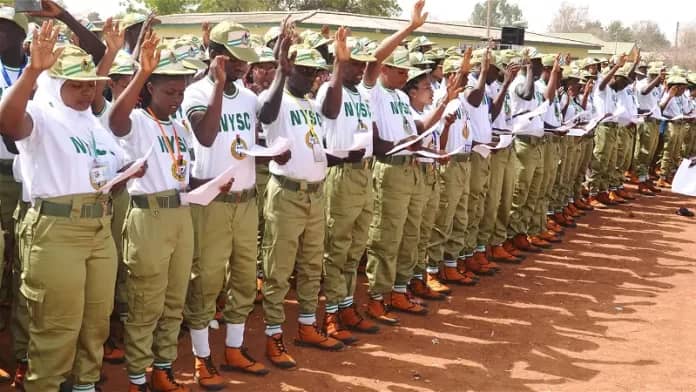
    The day your call-up letter lands, the countdown begins. You have days, sometimes only a week or two, to figure out what you are taking to a military-style camp in a state you may never have visited. Most first-time corps members overpack useless items or arrive missing things they genuinely need. Neither outcome is helpful.

    The NYSC orientation camp runs for 21 days. It involves early morning drills, communal hostel living, lectures, skills training, and a cultural carnival. The environment is structured and deliberately stripped-down. Knowing what belongs in your bag before you zip it up makes the difference between a smooth three weeks and daily scrambling.

    What to Pack for NYSC Orientation Camp 2026

    Packing for NYSC orientation camp is not about bringing as much as possible. It is about bringing the right things for a specific, time-limited environment that has rules about what is allowed inside. This guide covers everything corps members need, organized by category, with separate notes where the needs of male and female corps members differ.

    Documents: The Non-Negotiables

    Nothing about the orientation camp experience matters if you cannot clear registration at the gate. NYSC security officers check documents before corps members are allowed into camp. Missing even one of the required items can result in rejection or delays that cost you days of the three-week program.

    Every corps member should arrive with originals and multiple photocopies of each document. Keep them in a sealed, waterproof folder or envelope.

    Document Copies Needed Notes
    Call-Up Letter Original + 5 photocopies Print in colour. Download 2-3 days before camp
    Statement of Result or Certificate Original + 5 photocopies HND or degree certificate. Provisional acceptable for awaiting results
    Green Card (NYSC Registration Slip) Original + 2 photocopies Printed from the NYSC portal after payment
    School ID Card Original + 2 photocopies Must be valid at time of camp
    Medical Fitness Certificate Original + 2 photocopies Must be issued by a government hospital
    Passport Photographs 12 copies White background. 8 for registration, 4 extras
    International Passport (Foreign-trained only) Original + 5 photocopies Plus translated credentials where applicable

    Photocopy everything at home before you travel. Camp towns often have limited business services, and arriving without photocopies is a problem you cannot easily solve once you are already at the gate.

    What NYSC Will Issue You at Camp

    Once you clear registration and enter camp, NYSC issues a standard kit to every corps member. Knowing what is provided helps you avoid packing duplicates of things you will receive anyway.

    What to Pack for NYSC Orientation Camp 2026 (Male and Female Corps Members)
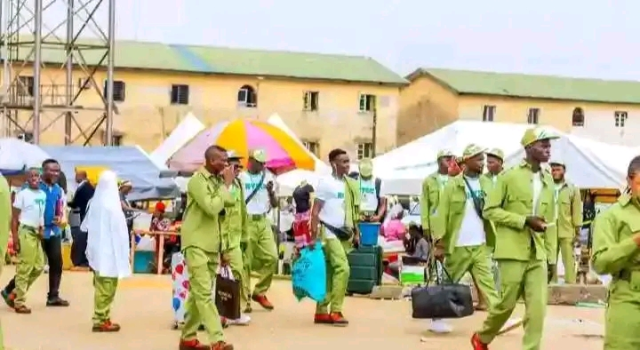
    NYSC members at camp ground

    The issued items typically include: khaki jacket and trousers, khaki cap, NYSC-branded white T-shirts (usually two), white shorts, a pair of jungle boots, white socks, and a crested vest. The quality and sizing of issued items vary significantly. Boot sizes especially tend to run inconsistent. If your size runs out, replacement khaki sets are usually available from vendors inside camp, generally in the range of four to five thousand naira.

    Do not rely entirely on what is issued. Many corps members find the T-shirts do not fit well, and having extra white tops of your own keeps you comfortable throughout the camp.

    Clothing to Pack (Beyond the Issued Kit)

    The dress code at orientation camp is specific. Corps members are expected to wear white on white during official activities: plain white round-neck T-shirts, white shorts, and white canvas shoes. On parade days, the full khaki uniform applies.

    For All Corps Members

    Item Recommended Quantity Notes
    Plain white round-neck T-shirts 5 to 7 In addition to those issued by NYSC
    White shorts (knee-length) 5 to 7 Avoid prints or logos
    White canvas/sneakers 1 pair Broken in before camp if possible
    White socks 7 pairs Daily wear during drills
    Plain mufti clothes (non-white) 3 to 5 outfits For evenings and non-official periods
    Flip-flops/bathroom slippers 1 pair For hostel, bathroom, and rest periods
    Bedsheet and pillowcase 1 set White or plain. Camp beds are basic
    Light blanket or duvet 1 Nights can be cold, especially in northern states

    Additional Items for Female Corps Members

    Item Notes
    Sanitary pads or tampons (2-3 packs) Camp shops may stock them, but prices are inflated
    Sports bras (4 to 5) More practical than underwire bras during drills
    Hair ties, scarves, or bonnets Hair management during paramilitary activities
    Modest sleepwear Hostels are shared spaces with varying privacy levels

    Toiletries and Personal Care

    The camp provides no toiletries. You need to arrive fully stocked. Vendors sell basic items inside camp, but prices are noticeably higher than what you would pay outside. Buying from home saves money and guarantees you have your preferred brands.

    Every corps member should pack: bathing soap, toothpaste and toothbrush, roll-on deodorant, shaving supplies, a sponge or loofah, a large plastic bucket for bathing (camp bathrooms are bucket-wash setups in most states), two towels, slippers for the bathroom, toilet paper, a small mirror, and a comb or brush.

    Female corps members should add skincare essentials, a makeup bag if they use cosmetics, and sufficient hair care products since access to salons during camp is limited. Body lotion is practical for all corps members, especially if posted to a northern state where the weather can be dry.

    Mosquito nets are not optional. Camp hostels are open and often poorly screened. Malaria is a real risk, particularly in camps located in riverine or humid regions. Pack a net and set it up on your first night.

    Food Items and Nutrition

    NYSC provides communal meals three times a day at camp. The quality and quantity vary from state to state and from batch to batch. Most corps members supplement what is served with personal food supplies. You are not required to eat only what is provided.

    Cooking is strictly prohibited. You cannot bring electric stoves, gas burners, or any cooking equipment into camp. Only ready-to-eat items are allowed.

    Practical food items to pack include: garri, milk, sugar, Milo or cocoa powder, Golden Morn or similar instant cereals, biscuits and crackers, noodles that can be eaten dry or soaked in hot water obtained from camp kitchens, peanut butter, and small packs of juice or bottled water for the first day. Groundnuts, chin chin, and similar snacks are also practical.

    Bring a plastic plate, a bowl, a cup, and at least one spoon. You will need these for mealtimes since camp does not consistently provide individual utensils.

    Gadgets, Money, and the Waist Pouch

    Electricity supply at NYSC camps is inconsistent. Most camps have power for limited hours each day. A power bank with a minimum capacity of 10,000mAh is not a luxury item at camp. It is infrastructure.

    Corps members are allowed to bring phones into camp, but phones must not be used during drills or official parade sessions. Keep your phone in a waist pouch when on the parade ground. This is both a rule and a practical safety measure since pickpocketing is a known issue on busy parade grounds.

    Laptops, tablets, and extension cords are banned in most camps. If found, they are typically seized and returned after the three weeks. Do not bring them.

    On cash: most camp locations have no ATM on-site, and mobile banking transfers may not always be possible in areas with poor network coverage. Arrive with physical cash. Budgets from recent batches suggest that between twenty thousand and thirty-five thousand naira covers personal expenses for the full three weeks, covering snacks, laundry, hair, and anything the camp does not provide. The figure varies based on the state you are posted to and your personal spending habits.

    Item Notes
    Phone and charger Android or iPhone. Keep charger in bag at all times
    Power bank (10,000mAh minimum) Essential given irregular electricity
    Waist pouch For phone during parade. Keeps phone safe and accessible
    Torch or rechargeable lamp For nights when power goes out
    Padlock (small) For hostel lockers or luggage security
    Cash (N20,000 to N35,000 range) No ATMs in most camps. Bring physical naira notes

    Health Essentials and First Aid

    Camp health centres exist in all NYSC orientation camps, and medical staff are available on-site. That said, basic personal medication and first aid supplies reduce your dependence on the clinic queue for minor issues.

    What to pack: paracetamol for headaches and fever, antimalarial medication (consult your doctor before camp on whether prophylactic treatment is appropriate), oral rehydration salts, ibuprofen or any pain relief medication you normally use, plasters and small bandages, a personal hand sanitiser, and insect repellent for use on exposed skin during outdoor activities.

    If you have a chronic health condition or take prescription medication, pack a sufficient supply for the full 21 days plus a few extra days as buffer. Inform the camp medical team of your condition on arrival. For serious medical conditions, your doctor can issue a certificate that supports requests for adjusted participation in physically demanding activities.

    What Not to Bring: Banned and Restricted Items

    NYSC camp security conducts bag checks on arrival. Items that violate camp rules are confiscated. In some cases, corps members face disciplinary panels for bringing prohibited items.

    The following items are banned or strongly inadvisable: electric stoves or hot plates, gas cookers, laptops, tablets, extension cords, jewelry and expensive accessories, alcoholic beverages, knives or sharp objects beyond small nail files, and any weapons of any kind. Political materials and items associated with secret societies also fall under prohibited categories.

    Beyond outright bans, it is worth leaving expensive clothing, shoes, or gadgets at home. Camp environments involve communal living with strangers. Theft happens. Bringing valuables beyond what you need creates unnecessary risk.

    Stationery and Miscellaneous Practical Items

    NYSC orientation includes lectures and SAED (Skills Acquisition and Entrepreneurship Development) sessions where corps members take notes. Bring a notebook and several pens. A small stapler and extra paper come in handy for filling forms.

    Other useful miscellaneous items include: a portable rechargeable fan (allowed in most camps), laundry detergent and hypo bleach for washing your whites, a clothes hanger or two, a laundry line rope or clips, and a transparent waterproof bag for protecting documents during rain. A small umbrella is worth having in camps located in southern or riverine states where rain is likely.

    Passport photographs beyond the twelve required for registration are frequently needed for various forms throughout the service year. Having extra copies ready from home saves repeated visits to photo studios.

    Practical Tips for Arrival Day

    Arriving on the first day of camp is hectic. Hundreds of corps members arrive simultaneously, registration queues are long, and the process of getting processed, allocated a hostel bed, and issued a kit takes several hours. Early arrival gives you better hostel positioning, a more comfortable bunk, and time to set up before things get busy.

    What to Pack for NYSC Orientation Camp 2026 (Male and Female Corps Members)

    Male and female corps members are separated into different hostels. Once allocated a bunk, set up your mosquito net and padlock your bag immediately. Do not leave valuables unattended on a first day when the hostel is full of people you do not know.

    Religious fellowship groups (both Christian and Muslim) operate within NYSC camps. Registering with one on arrival can provide support, mentorship, and welfare assistance throughout the three weeks. This is optional but practically useful for many corps members.

    Final Word Before You Pack

    The NYSC orientation camp is a finite, structured experience. Three weeks is short enough that what you bring should reflect discipline rather than comfort maximization. The corps members who have the best camp experiences tend to be the ones who arrived prepared, followed the rules, stayed adaptable, and did not spend their energy managing problems that good packing could have prevented.

    Run through this list twice before you leave. Check your documents last, after everything else is packed. Keep originals and photocopies in a separate folder at the top of your bag. And when you get to camp, orient yourself fast, greet your hostel neighbours, and set up your bunk before you do anything else.

  • World Environment Day 2026: How Satchet, Bottled Water Worsens Nigeria’s Environmental Degradation 

    World Environment Day 2026: How Satchet, Bottled Water Worsens Nigeria’s Environmental Degradation 

    At a relatively busy kiosk in Garki, Enugu, Enugu state, more than a dozen customers queue to buy one thing or the other.

    However, majority of them are there to buy satchet water, a common pre-filled drinking water packaged on a transparent satchet. At the same time, other residents are also there to buy bottled water which majority see as a mark of cleanliness and aristocratic disposition.

    In any case, WITHIN NIGERIA gathered that whether at home, on the road or at public events, sachet water has gradually become the most easily accessible, affordable and reliable source of drinking water for millions of Nigerians.

    It is also an open secret that for the affluent, bottled water is more than just convenience but represents status and sanitary assurance.

    However, both source of drinking water has become a reliable source of water especially on the transit and even at home.

    More convenient as these sources of water are, what has become so much worrisome to the citizens and indeed the environmental experts is how these bottles and satchet used to package them are being disposed.

    By and large, as the world marks World Environment Day 2026 today WITHIN NIGERIA takes a deep look into the environmental effects of this new found life style in the country.

    With the theme, “Inspired by Nature. For Climate. For Our Future,” our reporter gathered that the focus is on clean water, pollution reduction, and sustainable consumption systems.

    There is no gainsaying the fact that millions of Nigerians still struggle to access safe drinking water, even at this 21st century.

    It is as a result of this yawning gap that the satchet water and bottle water have come handy to bridge the gap.

    As the owners of such business continue to cash in on the millions of Nigerians, the environment has also continued to suffer.

    The industry has continued to evolve  into a multi-billion-dollar industry and an environmental challenge, measured not only in litres consumed but also by tonnes of plastic produced and discarded in form of waste.

    The Nigeria booming bottled and satchet water

    According to findings, Nigeria consumes an estimated 13.7 million sachets of water daily, amounting to more than 2.5 billion litres annually.

    WITHIN NIGERIA gathered that according to the National Environmental Standards and Regulations Enforcement Agency (NESREA), this is also a huge environmental challenge to the country in general and the industry in particular.

    Findings also show that the bottled water sector is expanding rapidly, as per capita bottled water consumption reached alarming  26.54 litres in 2025. Demand is expected to rise further, as

    Nigeria’s estimated 223 million population is projected to approach 400 million by 2050.

    Environmental effects of the waste

    The environmental effects of Sachet water (“pure water”) waste are indeed enormous and severe.

    For the fact that these plastic sachets are non-biodegradable and improperly disposed of, they accumulate in communities, and indeed towns were waste are not properly managed, leading to blocked drainage systems.

    The increasing incident of widespread flooding, soil degradation, and the contamination of aquatic ecosystems in Nigeria owe their sources to satchet and bottled water waste disposal.

    Drainage Blockage and Flooding:

    Beyond contamination and soil degradation, indiscriminately discarded sachets easily find their way into gutters and drainage channels. They mat together to form solid barriers that clog waterways, thereby increasing the risk of urban flooding and structural damage during the rainy season as we usually see today in Nigeria.

    Soil and Land Degradation:

    Polyethylene sachets and bottled water container are non-biodegradable. When not properly discarded or openly discarded on the land or buried in shallow landfills, they smother the soil, prevent water percolation, and trap heat, which severely disrupts the natural soil biophysical properties and microbial activity required for agriculture.

    Environmental Pollution

    Many a time, exposure to sunlight and physical weathering causes the plastic to break down into smaller fragments called microplastics rather than decomposing.

    These particles in turn enter local water bodies, negatively impacting water quality and potentially entering the food chain when consumed by aquatic life.

    Public Health Hazards

    It is also discovered that clogged, stagnant drains created by plastic waste act as ideal breeding grounds for mosquitoes and other disease vectors, exacerbating the prevalence of illnesses like malaria.

    Threat to Wildlife and Livestock

    Stray animals frequently mistake empty sachets for food. Ingesting the non-digestible plastic leads to intestinal blockages, starvation, and fatalities in livestock and local wildlife.

    Emissions from Incineration

    Open burning—a common disposal method used to reduce the sheer volume of plastic waste—releases toxic emissions, including oxides of carbon, nitrogen, and sulfur, which degrade local air quality and contribute to greenhouse gas accumulation.

  • VIDEO: Footage Of How ISIS No. 2 Abu-Bilal al-Minuki Was Killed

    VIDEO: Footage Of How ISIS No. 2 Abu-Bilal al-Minuki Was Killed

    The U.S. Africa Command released footage of a coordinated military operation that killed senior Islamic State leader Abu-Bilal al-Minuki and other top ISIS figures.


    In a statement issued Saturday, May 16, 2026, AFRICOM said the strike was carried out under the direction of the U.S. President and the Secretary of Defense, in coordination with the Nigerian government.

    U.S. and Nigerian officials confirmed al-Minuki’s death, identifying him as ISIS’s second-in-command globally.

    Al-Minuki, born in Borno State, Nigeria, rose through extremist ranks to become a key link between ISIS central leadership and its affiliates in Africa.

    Al-Minuki coordinated operations across West Africa and the Sahel and wielded significant influence within the Islamic State West Africa Province, ISWAP, due to his strategic role and hardline position.

    WATCH THE VIDEO:

  • EXAM GUIDE: Key details about the 2026 WASSCE private candidates second series

    EXAM GUIDE: Key details about the 2026 WASSCE private candidates second series

    The West African Examinations Council has released registration details for the 2026 West African Senior School Certificate Examination second series for private candidates, with the exercise expected to provide another opportunity for individuals seeking academic advancement or qualification improvement.

    The examination body disclosed that registration for the exercise commenced on May 4, 2026, and will run until July 31, 2026, giving candidates close to three months to complete the process.

    WAEC stated that the examination would be conducted fully through the Computer-Based Examination format, marking a continuation of the council’s transition towards digital testing methods for private candidates.

    Info graphics of WAEC registration

    The council explained that candidates are expected to prepare adequately for the computer-based format by becoming familiar with digital examination systems before the commencement of the tests.

    According to the information released, the registration fee for the examination has been fixed at N37,000.

    Candidates seeking to participate in the examination are required to complete their registration through the official WAEC portal.

    The registration platform provided by the examination body is WAEC Nigeria.

    WAEC also advised intending candidates to visit the nearest council office in their area to identify approved examination towns before finalising their registration.

    The council noted that confirming available centres early would help candidates avoid confusion or difficulties during the examination period.

    The examination body further encouraged applicants to complete their registration ahead of the deadline in order to avoid the rush commonly associated with late registration periods.

    WAEC cautioned candidates to verify all payment procedures, registration requirements and official charges directly from its website or approved registration centres before making payments.

    The council added that candidates should rely only on authorised channels to avoid falling victim to fraudulent registration schemes or misinformation surrounding the examination process.

    The private candidates examination, commonly referred to as the General Certificate Examination, is designed for individuals who are not part of the regular school-based WASSCE system but still wish to obtain the qualification.

    Education stakeholders have repeatedly stressed the importance of early preparation for computer-based examinations, especially for candidates who may not be fully accustomed to digital testing systems.

    Observers also note that the adoption of computer-based examinations reflects a broader effort within Nigeria’s education sector to modernise assessment methods and improve examination administration.

    With the registration window already open, candidates are expected to complete all necessary procedures before the July 31 closing date to secure participation in the 2026 second series examination exercise.

  • Controversy, Confusion As Nigeria, US Announce Killing Of ISIS Commander In Lake Chad Basin

    Controversy, Confusion As Nigeria, US Announce Killing Of ISIS Commander In Lake Chad Basin

    On Saturday, May 16, 2026 President Bola Tinubu announced the killing of a senior Islamic State leader, Abu-Bilal Al-Manuki, also known as Abu-Mainok.

    According to the president, the ISIS leader was killed during a joint operation carried out by Nigerian and United States forces in the Lake Chad Basin.

    In a release personally signed, President Tinubu said the operation marked “a significant example of effective collaboration in the fight against terrorism” between both countries.

    He further said that “a daring joint operation that dealt a heavy blow to the ranks of the Islamic State.”

    He added that “early assessments confirm the elimination of the wanted IS senior leader, Abu-Bilal Al-Manuki, also known as Abu-Mainok, along with several of his lieutenants, during a strike on his compound in the Lake Chad Basin.”

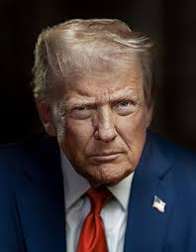
    Donald Trump: US President

    Appreciating the effort of the United States of America, USA, Tinubu said “Nigeria appreciates this partnership with the United States in advancing our shared security objectives. I extend my sincere gratitude to President Trump for his leadership and unwavering support in this effort,” the statement read.

    He praised military personnel from both countries, saying, “I commend the personnel involved on both sides for their professionalism and courage, and I look forward to more decisive strikes against all terrorist enclaves across the nation.”

    Donald Trump Corroborates Tinubu’s statement

    However, corroborating the statement, the US president, Donald Trump said that the operation was made possible through joint collaboration of the two countries.

    “Tonight, at my direction, brave American forces and the Armed Forces of Nigeria flawlessly executed a meticulously planned and very complex mission to eliminate the most active terrorist in the world from the battlefield,” Trump wrote on Truth Social on Friday.

    According to Trump, the slain militant leader, whom he described as the “second in command of ISIS globally,” had believed he could evade capture in Africa.

    “Abu-Bilal al-Minuki, second in command of ISIS globally, thought he could hide in Africa, but little did he know we had sources who kept us informed on what he was doing,” he said.

    Explaining further, the US leader added that Al-Minuki, who was placed under American sanctions in 2023 over his ties to the Islamic State group, would “no longer terrorize the people of Africa, or help plan operations to target Americans.”

    He stressed that “with his removal, ISIS’s global operation is greatly diminished,” while thanking the Nigerian government for its “partnership” in the operation.

    The joint operation underscores growing security cooperation between Nigeria and the United States as both countries intensify efforts to weaken extremist networks operating across the Lake Chad Basin and the wider West African region.

    Controversy trail the reported killing

    Following the reported killing of ISIS leader, instead of the usual jubilation by the Nigerians and other affected countries, it has been enmersed in controversies.

    However, since Mr Mainok was announced killed on Saturday in a joint operation, many Nigerians have raised concerns that the Nigerian military had claimed it had killed the same man in 2024.

    A case of mistaken identity

    By and large, on Saturday the presidency said the 2024 report, claiming Abu-Bilal Al-Minuku, ISIS’ second-in-command, had been killed was a case of mistaken identity.

    The presidency insisted that the latest operation targeting the insurgent leader was “100 percent certain.”

    However, reacting in a statement, Bayo Onanuga, special adviser to the president on information and strategy, said security officials had clarified that the earlier report linking Al-Minuki to a 2024 military operation in Kaduna state was a “case of mistaken identity or misattribution”.

    According to the statement, “It is acknowledged within military and intelligence circles that Al-Manuki’s name had appeared among lists of suspected ISWAP/Boko Haram commanders reportedly killed in 2024 during operations around the Birnin Gwari forest axis in Kaduna State,” the statement reads.

    “However, security officials now clarify that the earlier listing was a case of mistaken identity or misattribution in the fog of sustained counterinsurgency operations.”

    Onanuga noted that intelligence later showed that Birnin Gwari was never within Al-Manuki’s operational territory, casting doubt on the earlier assessment.

    “Security officials said efforts were initially aimed at capturing him alive before the final operation was carried out,” he said.

    Stressing further, he said, “Unlike the previous report, security authorities insist that the latest strike was executed with a significantly higher degree of precision, target validation, and multi-source intelligence confirmation.”

    Onanguga added that officials maintain that multiple layers of verification were applied before authorisation of the final kinetic action, making the last operation distinct from earlier incidents in which battlefield assessments later required revision.

    “In their assessment, ‘this time, there is no ambiguity,’” he said.

    He also defended public announcements of counterterrorism operations, noting that mistaken reports of killings had occurred in previous global anti-terror campaigns involving figures such as Abubakar Shekau and former ISIS leader Abu Bakr al-Baghdadi.

    “Such cases highlight not failure but rather the evolving, often imperfect nature of intelligence gathering in asymmetric warfare,” he added.

    “While public scrutiny remains an essential part of democratic accountability, security experts caution that premature dismissal of military claims can inadvertently undermine operational morale and strategic messaging,” the presidential spokesperson said.

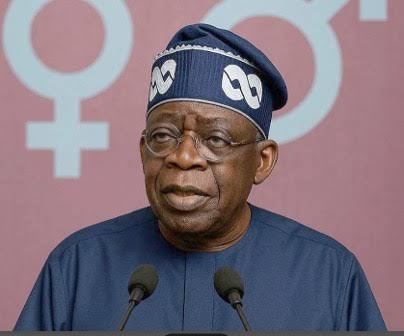
    Tinubu: Nigerian President

    “For now, military authorities remain firm in their position: The latest operation that targeted Abu-Bilal Al-Manuki represents a validated, intelligence-driven success against a senior figure of the Islamic State network. And in their words, this time, they are “100 per cent certain.”

    Recall that in April 2024, the Defence Headquarters revealed some of the identities of terrorist commanders killed in Northern Nigeria, including the head of the Is-Al Furqan Province (ISGS and ISWAP), Abu Bilal Minuki also known as Abubakar Mainok.

    The then Director, Defence Media Operations, Edward Buba while addressing the press said Mainok, who operated along Birnin Gwari Forest in Kaduna State and the Abuja-Kaduna Highway, was killed by troops on February 21.

    Buba explained that one of Mainok’s gang members, popularly known as Haruna Isiya Boderi was also killed by troops alongside Kachallah Damina, another terrorist on March 24.

    The military high command said Damina was killed alongside over 50 other terrorists including Kachallah Alhaji Dayi, Kachallah Idi (Namaidaro), Kachallah Kabiru (Doka), Kachallah Azarailu (Farin-Ruwa), Kachallah Balejo, Ubangida, Alhaji Baldu.

    Buba said the terrorist commanders were among no fewer than 2,351 terrorists killed, and 2,308 arrested by troops in the first quarter (Q1) of 2024.

    In his words, “The armed forces are fighting a vicious enemy in the ongoing operations across the country. Nevertheless, the military is ready, prepared, equipped and focused on what to do with these terrorists and their cohorts.

    “Surely, we have been collecting intelligence, hunting them and striking them where they may be hiding and hibernating. Our aim is to kill this terrorist and the infrastructure that supports them,” he said.

    The Defence Headquarters credited the achievements to the synchronised airstrikes of both ground and air troops, carried out on terrorists’ enclaves.

    He said, “For instance, immediately upon acquisition of vital targets, fighter jets are scrambled to carry out major bombarding raids on significant terrorist enclaves.

    “Troops equally conducted ambushes, raids, fighting patrols and offensive against the terrorist. The attacks and offensive actions by troops during the period Jan – Mar 2024 resulted in 2,351 terrorists neutralised, 2,308 persons arrested and 1,241 kidnapped hostages rescued.

    But the military has now said that the terrorist killed in 2024 is actually not Mr Mainok.

    According to the military, similarities in names and aliases are common within insurgent networks operating across the Lake Chad region.

    The Defence Headquarters (DHQ)  provided a different explanation from the Presidency on the controversy surrounding the killing of Abubakar Mainok.

    As the controversy continued to rage, the Defence Headquarters issued a statement on Saturday that appears to contradict the presidency’s statement.

    Trying to defend itself and prove to the doubting public that, indeed, the ISIS leader is no more, the Defence Headquarters did not directly describe the 2024 report as an intelligence error or mistaken identity.

    Instead, it emphasised that the use of identical aliases among insurgents remains common in the region.

    Samaila Uba, the spokesperson for the Defence Headquarters, explained the apparent contradiction stemmed from the widespread use of similar names and aliases among fighters of the Islamic State West Africa Province (ISWAP) and Boko Haram.

    In his words, “it is important to state that within the North East region and across the Lake Chad Basin, the use of similar or identical names, aliases and nom de guerres is common among ISWAP and Boko Haram terrorists,” Mr Uba, a major general, stated.

    According to him, the practice forms part of the insurgents’ indoctrination process aimed at deliberately obscuring identities and complicating counterterrorism operations.

    He said the Mr Mainok killed in the latest strike had been positively identified through human intelligence and technical surveillance.

    “The Abu-Bilal Al-Minuki eliminated on 16 May, 2026, has been positively identified through human intelligence and technical surveillance as a senior global operative within the Islamic State network, with direct links to international terrorist coordination, funding and operations across the Sahel. There is therefore no ambiguity in his identity,” he added.


  • From 1996 to 1990: Five Coups That Drowned Nigeria in Blood

    From 1996 to 1990: Five Coups That Drowned Nigeria in Blood

    A coup is a sudden, illegal, forceful seizure of government by the military or powerful civilians. Nigeria endured military rule for 29 years, recording eight coup attempts: six successful and two failed. 


    Of those eight, five were notably bloody. Each left a heavy death toll and permanently altered Nigeria’s political trajectory.

    January 15, 1966 Coup

    Young officers launched coordinated attacks in Kaduna, Lagos, and Ibadan to topple the First Republic. They eliminated key political and military leaders, then installed Maj. Gen. J.T.U. Aguiyi-Ironsi as Head of the National Military Government.

    The plotters, including UK-trained officers Maj. Kaduna Nzeogwu and Maj. Emmanuel Ifeajuna, justified the coup as a bid to rescue Nigeria from corruption, flamboyance, and looming anarchy.

    Key coup leaders*: Maj. Emmanuel Ifeajuna, Maj. Chukwuemeka Kaduna Nzeogwu, Maj. Chris Anuforo, Maj. Tim Onwuatuegwu, Maj. Adewale Ademoyega, Maj. Don Okafor.

    Political figures killed: Prime Minister Abubakar Tafawa Balewa, Premier Ahmadu Bello (Sardauna of Sokoto), Premier Samuel Ladoke Akintola, Finance Minister Festus Okotie-Eboh, Latifat Ademulegun, Ahmed Ben Musa, Zarumi Sardauna, Ahmed Pategi.

    Security officers killed: Brig. Samuel Ademulegun, Brig. Zakariya Maimalari, Col. Ralph Shodeinde, Col. Kur Mohammed, Lt. Col. Abogo Largema, Lt. Col. James Pam, Lt. Col. Arthur Unegbe, Sgt. Daramola Oyegoke, PC Yohana Garkawa, Lance-Cpl. Musa Nimzo, PC Akpan Anduka, PC Hagai Lai, Philip Lewande.

    July 29, 1966 Coup

    Northern officers struck back for the January coup. Led by Lt. Col. Murtala Mohammed, Maj. T.Y. Danjuma, and Maj. Martin Adamu, they surrounded Government House, Ibadan, where Head of State Gen. Johnson Aguiyi-Ironsi was visiting Lt. Col. Adekunle Fajuyi, Military Governor of the Western Region.

    Danjuma’s group arrested both men. Although Fajuyi was told he could step aside, he refused to abandon his guest. Both were driven to a bush along Iwo Road/Lalupon, beaten, and executed. Their bullet-ridden bodies were buried in shallow graves, later exhumed by Special Branch and reburied at the military cemetery in Ibadan.

    The purge was ethnically targeted. According to Professor Ruth First in _The Barrel of a Gun_, nearly every Igbo soldier outside the East was killed, imprisoned, or forced to flee. The bloodbath claimed 42 officers and over 130 other ranks, overwhelmingly Igbo.

    This coup directly triggered the secession of Biafra under Col. Ojukwu and the Nigerian Civil War.

    February 13, 1976 Coup

    Lt. Col. Buka Suka Dimka and co-conspirators ambushed Gen. Murtala Muhammed’s convoy in Lagos traffic near the Federal Secretariat, Ikoyi, around 8 a.m. They opened fire on his black Mercedes-Benz, killing Murtala, his ADC Lt. Akintunde Akinsehinwa, his driver, and his orderly instantly.

    Dimka then seized Radio Nigeria, announced the overthrow, cited corruption, and declared himself Head of State.

    However, the coup quickly collapsed for lack of broad military support. Lt. Gen. Olusegun Obasanjo, Murtala’s deputy, evaded assassination and rallied loyal forces. The Army and Navy refused to back Dimka.

    Death toll: Gen. Murtala Muhammed, Lt. Akintunde Akinsehinwa, Col. Ibrahim Taiwo (Military Governor of Kwara), plus 12 others were killed by coupists.

    Dimka fled but was captured on March 6, 1976. He and 38 others, including Gen. I.D. Bisalla, were tried and executed by firing squad at Kirikiri Prison on May 15, 1976. Obasanjo assumed power as Head of State.

    April 22, 1990 Coup Attempt

    Major Gideon Gwaza Orkar led middle-ranking officers in a dawn attack against Military President Gen. Ibrahim Badamasi Babangida.

    The plotters seized key targets across Lagos: the Federal Radio Corporation of Nigeria, where Orkar broadcast at 7 a.m., Dodan Barracks in Ikoyi — the military HQ and presidential residence — and several military posts.

    Babangida narrowly escaped the assault on Dodan Barracks via a back route. His ADC, Lt-Col U.K. Bello, was killed attempting to deploy a sabotaged tank against the rebels.

    Chief of Army Staff Gen. Sani Abacha mobilized loyal troops and crushed the rebellion by day’s end. The coup failed because plotters never secured Babangida, Abacha, or support beyond Lagos.

    Casualties: Dozens killed in shootouts, including during the Dodan Barracks attack.

    Aftermath: Orkar and 41 co-conspirators were convicted of treason and executed by firing squad on July 27, 1990. Following complaints of ethnic bias, 27 of 31 acquitted soldiers were retried and executed on Sept 13, 1990. In total, 300 military personnel and 30+ civilians were arrested.

    Key figures: Lt. Col. Anthony Nyiam, Orkar, Maj. Saliba Mukoro, Maj. Cyril Obahor, and Great Ovedje Ogboru played central roles.

    March 1986 Coup Attempt

    In March 1986, the regime of Military President Gen. Ibrahim Babangida uncovered a plot to overthrow the government. The conspiracy was allegedly led by Maj. Gen. Mamman Jiya Vatsa, then Minister of the Federal Capital Territory and a childhood friend of Babangida.

    Though the coup never reached the execution stage, the government framed it as a serious threat. Vatsa and several senior officers were arrested for plotting to bomb Eko Bridge and Dodan Barracks, and to hijack the Independence Day celebrations.

    Aftermath: After a military tribunal, Maj. Gen. Vatsa and 9 other officers were convicted of treason. All 10 were executed by firing squad on March 5, 1986. Human rights groups and several prominent Nigerians questioned the evidence, arguing the trial was politically motivated.

    Key figures: Maj. Gen. Mamman Vatsa, Lt. Col. Musa Bitiyong, Maj. Christian A. Obu, Maj. Daniel Bamidele, and 6 others.