Tag: nollywood

  • Who Was Kola Oyewo? 26 Facts You Didn’t Know About The Nollywood Legend

    Who Was Kola Oyewo? 26 Facts You Didn’t Know About The Nollywood Legend

    Veteran Nollywood actor Kola Oyewo has died at 80.


    His passing was confirmed on Friday via Instagram by fellow actor Kunle Afod.

    Afod wrote: “Kola Oyewo has taken his final bow. His remarkable talent, timeless performances, and immense contributions to Nigerian theatre and film will never be forgotten. His legacy will continue to inspire generations to come.”

    26 things you probably did not know about veteran Nollywood legend, Kola Oyewo:

    He was born on March 27, 1946, in Oba, Osun State, Nigeria

    He was from the Ese Ola ruling family and grew up in the palace with his uncle who was once king

    He attended Saint Joseph Primary School, Oba Ile in 1955

    He also attended Saint Benedict Catholic Primary School, Osogbo

    He completed his primary education there in 1960

    He attended Saint James Secondary Modern School, Osogbo

    He completed Secondary Modern School in December 1963

    During his Secondary Modern School days he joined the “Oba Dramatic Society” founded in 1961 by his uncle Kunle Olaniyan

    He joined Oyin Adejobi Theatre Group in 1964

    He started in theatre with the University of Ife Theatre Arts group

    He later attended the Obafemi Awolowo University where he earned a degree in Dramatic Arts + Certificate in Yoruba Oral Literature

    He earned a Bachelor in Administration in Theatre Arts in 1995 at the University of Ibadan

    He attended M.A. and Ph.D. in Drama

    In 2005, he reportedly shared a university class with his son Adeyemi, and completed his PhD

    He joined Obafemi Awolowo University in 1996, rose to senior lecturer, retired 2011

    After that he became HOD of Dramatic Arts at Redeemer’s University, and later lectured at Elizade University

    He played “Orekunrin” in the classic NTA soap opera “The Village Headmaster” – the role which made him a household name in the 70s/80s

    He also acted in hundreds of Yoruba films and stage plays

    He also directed and produced several projects

    He’s a professor of Theatre Arts

    He lectured at Obafemi Awolowo University, University of Ibadan, and later became HOD of Performing Arts at Redeemer’s University

    He received a National Honor – Member of the Order of the Niger, MON – for contributions to Nigerian theatre and culture

    He’s one of the pioneers who helped shape modern Yoruba drama and trained a lot of younger actors through teaching

    His notable works like Sango (1997), Saworoide, Koseegbe, Super Story, among others where he displayed absolute excellence and rare acting skills

    He was part of the bridge from traditional Alárìnjó travelling theatre to modern Nollywood in the last 60 years

    He mentored generations of actors, playwrights, and scholars

  • Nollywood Veteran Kola Oyewo is dead

    Nollywood Veteran Kola Oyewo is dead

    Veteran Nollywood actor, academic and theatre icon, Kola Oyewo, has passed away at the age of 80, bringing an end to a remarkable career that spanned more than six decades.

    The sad news was confirmed by fellow actor Kunle Afod in an emotional tribute shared on his official Instagram page. Mourning the loss, Afod described Oyewo as a true legend whose immense contributions to the Nigerian theatre and film industry would remain unforgettable.

    Tonight, we lost a true legend. Kola Oyewo has taken his final bow. His remarkable talent, timeless performances, and immense contributions to the Nigerian theatre and film industry will never be forgotten. His legacy will continue to inspire generations to come. Rest well, sir. Your work lives on. It’s a wrap,” Afod wrote.

    Born on March 27, 1946, in Oba Ile, Osun State, Oyewo began his professional acting career in 1964 after joining the Oyin Adejobi Theatre Group, where he made his debut in Orogun Adedigba. He later spent years working alongside renowned playwright and scholar, the late Ola Rotimi, at the University of Ife theatre.

    Oyewo became widely celebrated for portraying Odewale in Ola Rotimi’s classic drama, The Gods Are Not to Blame.

    Beyond the stage and screen, the late actor distinguished himself in academia, earning degrees from Obafemi Awolowo University and the University of Ibadan. He lectured at Obafemi Awolowo University, Redeemer’s University and Elizade University, left behind a lasting legacy in both performing arts and education.

  • How Much Do Nollywood A-List Actors Charge Per Movie in 2026?

    How Much Do Nollywood A-List Actors Charge Per Movie in 2026?

    The question of what a Nollywood actor charges per movie is one that circulates constantly in industry circles and among fans. It comes up in casting conversations, in entertainment gossip, and most importantly, in the budget meetings of producers trying to greenlight a film. The honest answer is: it depends heavily on who you’re calling, what the film is, and where it will be distributed.

    What the industry has seen clearly over the past few years is a sustained upward pressure on fees at the top end. Streaming platforms, a revived cinema ecosystem, and the growing international visibility of Nigerian films have collectively forced a renegotiation of what A-list talent costs. Producers working in 2026 are navigating a very different fee landscape than those who were putting films together even five years ago.

    How Much Do Nollywood A-List Actors Charge Per Movie (2026)

    How Much Do Nollywood A-List Actors Charge Per Movie in 2026?

    Understanding Nollywood A-list actor fees in 2026 requires looking beyond headline numbers. The range at the top tier of the industry stretches from around ₦5 million to well above ₦20 million for marquee names on high-budget productions, but those figures compress and expand depending on the production type, the platform, the negotiating power of the talent, and the overall budget the producer is working with. Nollywood actor fees are not standardised. There is no guild minimum, no published rate card, no union floor. Every deal is negotiated individually, which means the same actor can walk away from two productions in the same year with wildly different cheques.

    The Three-Tier Structure That Actually Governs Nollywood Pay

    The most practical way to understand Nollywood compensation is through a three-tier framework that industry insiders use informally, even if it is never officially written down anywhere.

    At the top, A-list actors command fees in the range of ₦5 million to ₦20 million per production, with some outliers going higher on exceptional projects. This tier includes the faces that genuinely move tickets: names whose involvement in a film is itself a marketing event. Think Genevieve Nnaji, Richard Mofe-Damijo, Omotola Jalade-Ekeinde, Funke Akindele, Ramsey Nouah, Mercy Johnson, Jim Iyke. These are actors whose inclusion can influence a producer’s access to cinema screens, streaming deals, and investor confidence.

    Mid-tier actors, those with solid credits, genuine fan recognition, and consistent work, typically earn somewhere between ₦1 million and ₦5 million per film. They are the reliable core of most productions and often negotiate their fees without agents or managers, which means outcomes vary considerably.

    Newcomers and supporting players earn the least. Entry-level performers working on independent productions can receive anywhere from ₦50,000 to ₦500,000, depending on the size of the role and how lean the overall budget is. On very low-budget shoots, some take transportation allowances and on-set meals in lieu of meaningful fees, building a portfolio while waiting for the calls that come with visibility.

    What A-List Actually Means When It Comes to Pricing

    The term “A-list” gets used loosely in Nollywood conversations, but from a pure fee perspective, the distinction that matters most is whether an actor’s name functions as a pre-selling asset. Producers who can attach a top-tier name to a project before shooting begins have a materially different pitch to distributors, platforms, and investors. That leverage is what the highest fees are really paying for.

    Genevieve Nnaji, widely regarded as the face of modern Nollywood’s international positioning following her Netflix acquisition of Lionheart, is understood to command fees in the ₦8 million to ₦10 million range per project. Omotola Jalade-Ekeinde, whose career has spanned more than 300 films and includes extensive brand partnerships, is reported to charge between ₦5 million and ₦8 million per script. RMD, Richard Mofe-Damijo, who combines a veteran acting career with political credibility that translates to brand safety, has long been positioned in the ₦6 million to ₦10 million range, with some reports suggesting his ceiling moves on projects where royalty arrangements are also on the table.

    Funke Akindele occupies a unique position in this conversation. As both an actor and the most commercially successful filmmaker in Nollywood’s box office history, she is not simply a hire. Her films Behind the Scenes and Everybody Loves Jenifa crossed the ₦1 billion mark at the Nigerian box office, making her arguably more valuable as a producer-director than as a talent-for-hire. Her reported per-movie acting fee has ranged from ₦4 million to ₦8 million depending on the project, though in productions she controls, that calculation merges into a larger business structure.

    How Platform and Distribution Route Changes the Fee Conversation

    One of the clearest developments reshaping how actors are compensated in 2026 is the multiplying of distribution routes. A Nollywood film today can travel through the traditional home video channel, cinema release, streaming on platforms like Netflix, Amazon Prime Video, or Showmax, hybrid theatrical-then-streaming windows, and YouTube monetisation. Each of these paths carries a different budget profile, and that budget profile directly shapes what producers are willing to offer talent.

    Cinema productions sit at the high end. Films targeting a theatrical release require significantly more production capital, and A-list actors know this. The presence of a major name makes the cinema conversation with exhibitors easier. As a result, cinema-targeted productions have pushed fees up for top talent. Nigeria’s cinema sector recorded box office revenue of between ₦15.6 billion and ₦20 billion in 2025, with growth projections pointing upward for 2026. That kind of revenue creates a commercial logic for paying more to secure bankable talent.

    Streaming productions, particularly those commissioned or licensed by international platforms, carry their own fee dynamics. Netflix-backed productions operate on budgets that are structurally higher than what most independent Nollywood producers work with. Actors who have been cast in platform-commissioned content have reported significantly better-than-average fees, often with additional provisions around promotional obligations and exclusivity windows. The direct-to-streaming route, however, tends to pay lower fees than theatrical deals for productions that were not originally commissioned by the platform.

    The traditional home video or online video market, which still makes up a large portion of total Nollywood output, generally operates at the lower end of the fee spectrum. Prolific actors who maintain high output by moving quickly from one set to the next can still generate strong annual income through volume, but individual fees per production are typically lower than cinema or streaming deals.

    The Naira Factor: Inflation, Devaluation and What Fees Actually Mean Now

    Any discussion of Nollywood fees in 2026 that ignores the broader Nigerian macroeconomic context is incomplete. The naira’s sustained depreciation since the 2023 exchange rate unification has had a real and tangible effect on how actors price their services, how producers budget, and how those numbers translate for international stakeholders looking at the industry.

    When a veteran actor charges ₦8 million per film in 2026, that figure sounds large in headline terms, but its purchasing power tells a more complicated story. The same ₦8 million that once converted to roughly $20,000 at older exchange rates now translates to a fraction of that at current rates. Actors who deal with international productions or negotiate any kind of dollar-denominated arrangement have an obvious advantage; those paid purely in naira have seen the real value of their fees eroded over time.

    This has created an interesting dynamic: nominal fees have risen, in the sense that producers are quoting higher naira figures than they were five years ago, but whether those increases have kept pace with inflation is a separate question. For actors who work primarily in the domestic market, the picture is more constrained than the headline fee numbers suggest. For those with international visibility, the leverage to negotiate in harder currencies has become increasingly important.

    What Producers Are Actually Paying: A Budget Reality Check

    It is worth stepping back from the headline figures attached to the biggest names and looking at what a typical Nollywood production actually allocates to cast. Most Nigerian films are not big-budget cinema productions. The vast majority of content produced each year is independently funded, often with production budgets that range from a few million naira to around ₦30 million for an average project.

    In that environment, casting an A-list actor at ₦8 million or ₦10 million represents a significant portion of the total budget, which means most productions in that budget range are not calling those names. What producers in that tier are doing is working with solid mid-tier talent, occasionally casting one recognisable name in a lead or pivotal supporting role to help with marketing, and filling the rest of the cast at lower rates.

    For a production with a budget in the ₦50 million to ₦100 million range, which represents the upper end of most independent Nollywood cinema-targeting productions, the calculus changes. At that budget level, investing ₦10 million to ₦15 million in a single bankable name is a defensible commercial decision if that name changes the conversation with distributors or platforms. The logic mirrors what Hollywood calls “above-the-line” talent: expensive, but potentially the reason the film gets made and seen at all.

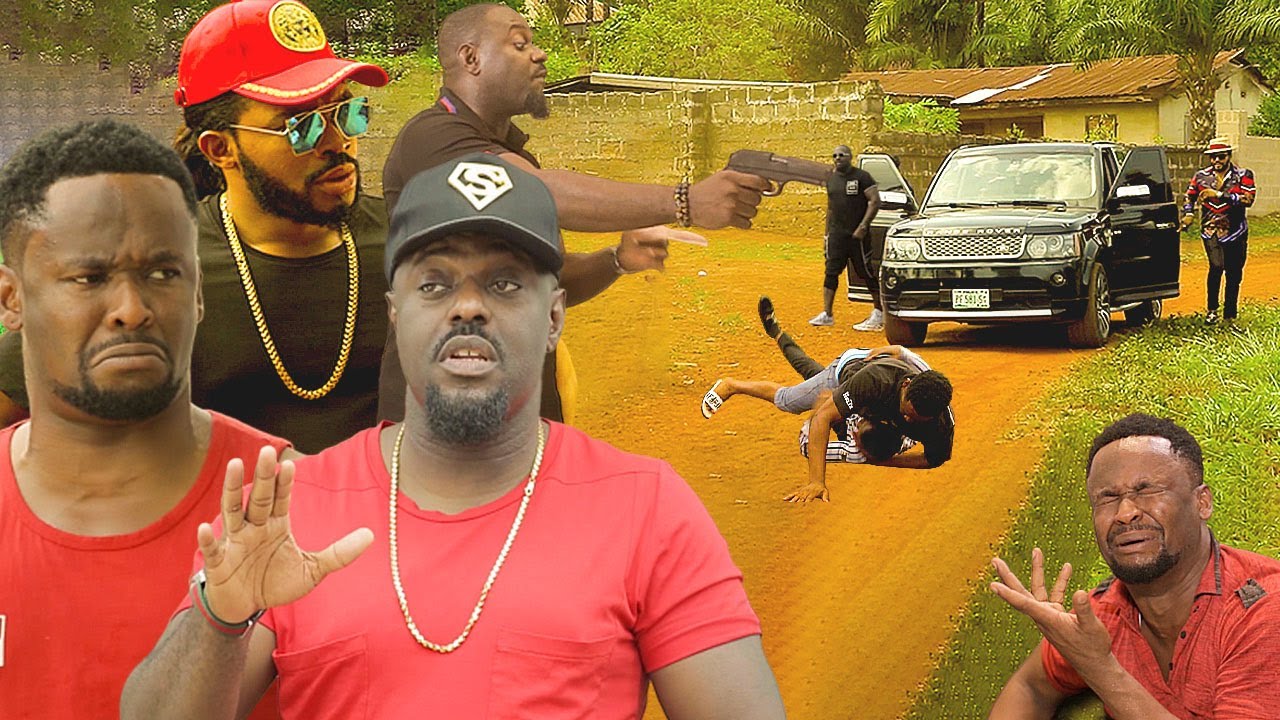
    Zubby Michael, Jim Iyke and the Rise of the Digital-Era Star

    Zubby Michael, Jim Iyke

    Nollywood’s A-list in 2026 is not the same as it was a decade ago. Some of the most commercially potent names in the current industry built their profiles through high-volume output, digital distribution, and social media visibility rather than the conventional path of awards and critical acclaim.

    Zubby Michael is the clearest example of this. He is among the most frequently cast actors in Nollywood and has built an estimated net worth that places him among the wealthiest names in the industry. His fees reflect the value of his visibility and his draw, particularly in the Igbo-speaking market and among Eastern Nigerian audiences. Jim Iyke, long regarded as one of Nollywood’s most bankable male leads, has similarly maintained top-tier fee positioning through a combination of film output, endorsements, and sustained public visibility.

    The emergence of Asaba-based productions as a major commercial arm of Nollywood has also shaped the fee structure. Asaba films typically operate on tighter budgets than Lagos-based cinema productions, but their volume is high and demand for recognisable stars is consistent. Actors who maintain active relationships with Asaba producers often earn through frequency what they might not earn through individual fee size.

    Beyond the Acting Fee: What the Full Compensation Package Looks Like

    The per-movie fee is only one part of what a Nollywood A-lister takes away from a production. The full picture includes additional arrangements that are sometimes worth as much as the acting fee itself.

    Royalty arrangements, though not common across the industry, do exist at the very top. RMD is known to negotiate royalties on select productions, meaning he receives a percentage of revenue over time rather than purely a one-time upfront payment. This model, more familiar from Hollywood contract structures, is rare in Nollywood because most films are produced by independent producers operating without the infrastructure to track and pay revenue shares reliably. The Business Day reporting on this structural gap noted that most Nollywood actors are paid upfront fees rather than receiving any share of the film’s profits, which leaves many performers with no financial stake in a film’s commercial success.

    Brand endorsements and promotional deals represent a significant income stream that can dwarf a single film’s acting fee. Actors cast in high-profile productions, particularly those on international streaming platforms, have used that visibility to secure endorsement contracts with major brands. Michael Afolarin, who starred in Netflix’s Far From Home, secured a commercial deal with MTN following the series’ success, illustrating the pathway from streaming visibility to brand income.

    Travel, accommodation, and on-set provisions are also part of the negotiation. Major productions shooting on location cover transport, accommodation, and feeding, which reduces the personal overhead of the actor. On lower-budget productions, these provisions may be modest or absent, effectively lowering the real value of the stated fee.

    Why There Is Still No Standard Rate and What That Costs the Industry

    The absence of a standardised fee structure in Nollywood is not an accident. It reflects the fundamental architecture of the industry: independent, self-funded, fragmented. Unlike industries where guilds set minimum rates and studios negotiate within defined ranges, Nollywood operates without those structural guardrails. As one industry voice captured plainly in recent Business Day reporting: “There is no payment structure. The guilds have no effect in this regard.”

    What this means in practice is that actors negotiate in a vacuum, armed only with their recent track record, their agent’s judgment (if they have one), and whatever they have heard informally about what others are being paid. It means a relatively unknown actor with good negotiating instincts might secure a better deal than a more experienced performer without representation. And it means producers can, and often do, pay the least they can get away with for any given role.

    The royalties debate that surfaced in 2025 and 2026 is directly related to this gap. Several veteran actors have publicly raised the question of whether the one-time payment model, which dominates the industry, is appropriate in an era when a film can continue generating revenue on streaming platforms for years after its initial release. The practical obstacles to change are real: most independent producers are not generating the surplus that would make ongoing payments sustainable. But the conversation reflects a growing recognition that the current system concentrates financial risk with producers while concentrating financial reward with distributors and platforms, leaving the talent who actually build audience relationships with a relatively thin share of the value they help create.

    What 2026 Is Signalling About Where Fees Go Next

    The trajectory for Nollywood A-list fees is upward, though the pace will not be uniform across the industry. The forces pushing fees higher include growing cinema revenues, increased international platform interest, the expanding audience for Nigerian content across the diaspora, and the rising commercial sophistication of top-tier producers. As Nollywood in 2026 moves deeper into global streaming partnerships and content exclusivity deals, the commercial stakes for getting the right talent in front of the camera increase, and talent pricing responds accordingly.

    The constraint on fee growth is the fundamental economics of most productions. The industry is still dominated by independent producers working without large studio backing, and most of them are not operating at the budget levels where top-tier fees are affordable. The number of productions that can realistically pay ₦15 million or more to a single actor is a fraction of total industry output. The headline fees attached to the biggest names represent the ceiling of the market, not the average.

    What the next few years are likely to bring is a wider spread between the very top and the broad middle. A-list actors with strong international profiles, genuine box office draw, and the ability to command streaming deals will continue to see their fees rise. The majority of working Nollywood actors will see more modest gains, constrained by the budget realities of the productions that form the bulk of their work. The industry’s evolution into a genuine global entertainment force is real, but the commercial rewards of that evolution are not yet being shared evenly.

    The Fee is a Negotiation, Not a Tariff

    There is no single number that answers the question of how much a Nollywood star charges per movie in 2026. What exists instead is a range that stretches from ₦5 million to over ₦20 million for verified A-list talent on well-capitalised productions, a broad mid-tier where the same quality of actor might earn anywhere between ₦1 million and ₦5 million depending on who asks and how, and an entry level where volume and exposure still substitute for adequate compensation.

    The real story behind these numbers is structural. Nollywood’s growth has been genuine and impressive, particularly in the cinema and streaming channels. But the financial architecture of the industry, built on independent production without guild minimums, standardised contracts, or reliable profit-sharing frameworks, means that fee outcomes remain highly variable and the people doing the work of building the industry’s global reputation are not always its primary financial beneficiaries. That conversation is now happening more openly than it was even two years ago. How it resolves will shape more than just what actors earn per film.

  • Emeka Ike returns to politics, wants a seat in the National Assembly years after first attempt – What Changed?

    Emeka Ike returns to politics, wants a seat in the National Assembly years after first attempt – What Changed?

    Nigeria woke up to another surprising political moment after veteran Nollywood actor Emeka Ike officially declared interest in contesting for a seat in the House of Representatives. The announcement did not arrive with the noise of a typical celebrity controversy or entertainment scandal. Rather, it came quietly before gradually exploding across social media platforms, entertainment blogs, political spaces, television discussions, radio conversations, street debates, WhatsApp groups, Facebook pages, TikTok reactions, X threads, Instagram comment sections.

    Many Nigerians first reacted with shock because the news reopened memories that had almost faded away. A lot of younger social media users did not even know Emeka Ike once attempted to enter politics years ago. His latest declaration suddenly reminded the public that beneath the identity of a Nollywood veteran was a man who had carried political ambition for a long time.

    The actor’s return to politics has also reopened conversations about celebrity influence, governance, public trust, national development, political visibility, grassroots connection, youth participation, institutional reform. Yet beyond all the reactions, one major question quietly hangs over the story. What exactly changed between his first attempt years ago plus this latest move toward the National Assembly?

    That question is where the real story begins.

    Early Nollywood Fame

    Before politics became attached to his name, Emeka Ike already built one of the most recognizable identities in Nigeria’s entertainment industry. During the early 2000s, his face dominated television screens, compact disc covers, cinema conversations, roadside movie shops, family living rooms. His acting style made him popular among audiences who followed Nollywood passionately during that era.

    Movies such as Deadly Affair, Not Man Enough, Passionate Enemy, Strength of a Woman, My Love became part of the productions that strengthened his public image. At a time when Nollywood was experiencing one of its biggest growth periods, Emeka Ike emerged as one of the actors whose presence alone could attract audience attention.

    His career stretched beyond ordinary entertainment relevance because he became part of a generation that helped shape modern Nollywood into a powerful African cultural force. Producers wanted him in projects, viewers recognized his voice instantly, his name carried commercial value. Fame gave him influence across different regions of Nigeria especially among audiences who consumed local films heavily.

    That popularity later became one of the major reasons many people believed politics would eventually attract him. Nigerian politics has always shown interest in public figures with strong name recognition because visibility already gives them a form of political advantage before campaigns even begin.

    2018 Political Entry

    The first major political chapter connected to Emeka Ike became public in 2018. That year marked the moment he openly stepped into Nigeria’s political environment by declaring interest in contesting for the House of Representatives seat for Ideato South Federal Constituency in Imo State.

    His decision immediately attracted media attention because actors rarely made serious attempts toward legislative offices at that period. Celebrity involvement in Nigerian politics existed before then, but the movement was still developing gradually. Most entertainers focused more on endorsements, campaign appearances, political friendships, honorary appointments.

    Emeka Ike chose a more direct route. He contested under the Young Progressives Party, widely known as YPP. At the time, the party positioned itself as one of the platforms encouraging youth involvement plus alternative political participation outside the dominant structures already controlling Nigerian politics.

    His campaign carried messages centered around young leadership, political reform, accountability, grassroots empowerment, institutional development. Public appearances from that period showed a man who attempted to present himself beyond entertainment fame. He spoke repeatedly about the need for ordinary Nigerians to become closer to power structures instead of remaining distant observers during elections.

    Several interviews from 2018 reflected his frustration with the direction of governance in the country. He spoke about unemployment, lack of opportunities for younger generations, disconnect between politicians plus the masses. Those statements aligned with the mood across Nigeria at the time because many citizens were increasingly demanding political change.

    Despite the publicity surrounding his campaign, the attempt did not eventually lead him into the National Assembly. The dream stopped at the political contest stage.

    Yet something important happened during that period.

    The experience exposed him directly to the realities of Nigerian politics beyond celebrity popularity. Campaigns require structures, alliances, financial strength, voter relationships, party coordination, local influence, strategic calculations. Political visibility alone cannot guarantee victory.

    That first attempt may not have delivered electoral success, but it likely delivered something equally important. Experience.

    Years Away From Frontline Politics

    After the 2018 political attempt faded from public attention, Emeka Ike gradually returned to a quieter public space. Entertainment discussions involving him appeared occasionally, but the intensity surrounding his political ambition reduced significantly.

    Several Nigerians assumed the political journey had ended permanently.

    Public attention later shifted toward personal controversies surrounding his life, family discussions, interviews, industry issues. Nollywood itself also changed rapidly during those years. A new generation of actors, filmmakers, digital creators, streaming productions, cinema culture began dominating conversations across the entertainment industry.

    Political conversations surrounding Emeka Ike slowly disappeared from mainstream attention. That silence lasted for years.

    Yet political ambition rarely disappears completely once it enters someone’s mind seriously. For many public figures, failed attempts sometimes become preparation periods rather than endings. Time away from frontline politics often creates room for reflection, recalculation, relationship building, strategy restructuring, ideological clarity.

    His latest declaration now suggests that the years away from active political contests may have been more significant than many people realized.

    Abuja Political Shift

    One of the biggest changes surrounding Emeka Ike’s latest political move is location.

    Rather than returning to Imo State politics where his first attempt happened, he has now focused on the Abuja Municipal Area Council and Bwari Federal Constituency located within the Federal Capital Territory.

    That shift alone changes the entire political atmosphere surrounding his ambition.

    Abuja carries a completely different political weight compared to many state level constituencies because the Federal Capital Territory operates within the center of national visibility. Political activities within Abuja naturally attract stronger national attention due to the concentration of federal institutions, government agencies, policymakers, diplomats, media organizations, political stakeholders.

    Contesting within the FCT automatically places candidates inside a more nationally observed environment.

    His decision to target the AMAC and Bwari Federal Constituency also introduces a broader identity beyond regional politics. During the 2018 attempt, his political ambition was strongly tied to his Imo State roots. The current move projects a more national political image connected directly to Nigeria’s capital territory.

    That transition may not be accidental.

    Abuja politics provides stronger visibility, larger media coverage, increased institutional relevance, wider national recognition. Every major political conversation within the FCT naturally receives attention from across the country because Abuja functions as Nigeria’s political nerve center.

    For someone already carrying nationwide recognition from entertainment, the move toward Abuja politics appears strategic.

    NDC Platform Decision

    Another major difference between the 2018 attempt plus the latest declaration is his political platform.

    During the earlier contest, he ran under the Young Progressives Party. This time, reports indicate he plans to contest under the Nigerian Democratic Congress platform.

    Political platforms matter heavily within Nigeria’s electoral system because parties determine structure, alliances, campaign support, political coordination, strategic access. Changing parties often reflects changing calculations about political direction, organizational strength, ideological positioning, electoral opportunities.

    The Nigerian Democratic Congress may not currently rank among Nigeria’s most dominant political parties, but smaller parties sometimes offer candidates greater visibility within their internal structures compared to larger parties where competition becomes extremely intense.

    His movement toward another platform also suggests a man attempting to reposition himself politically rather than simply repeating old strategies from the past.

    That repositioning appears central to understanding what changed.

    Stronger Public Messaging

    Another noticeable difference surrounding this latest declaration lies within his language plus presentation.

    During clips circulating online after his announcement, Emeka Ike appeared more deliberate about governance discussions. His statements focused less on emotional political excitement plus more on structural conversations involving governance systems, institutional development, national direction.

    One phrase especially stood out.

    “We want to make a federal statement.”

    That sentence quickly attracted public attention because it projected ambition beyond ordinary constituency politics. The wording carried a tone suggesting broader national relevance rather than just local electoral participation.

    He also spoke about creating a proper systematic structure alongside better governance systems. Those statements indicated a stronger focus on institutional conversations rather than personality driven politics.

    Political observers often note that public figures entering politics sometimes struggle to separate celebrity identity from governance language. Emeka Ike’s latest appearance suggested someone consciously attempting to frame himself differently.

    Years ago, his political image centered heavily around youthful participation plus grassroots energy. Now the language appears more structured, institutional, governance focused.

    That difference matters. Public communication shapes political perception heavily especially within an era where social media quickly magnifies every statement made by public figures.

    Nigeria’s Celebrity Political Era

    Timing also explains part of what changed. When Emeka Ike first entered politics in 2018, celebrity political participation still felt relatively uncommon within Nigeria’s mainstream legislative environment. Several entertainers had political affiliations before then, but the movement had not fully expanded across different political levels.

    Nigeria today presents a different atmosphere completely.

    Entertainment figures now participate openly across multiple political spaces ranging from advisory appointments to legislative contests, party campaigns, policy discussions, ambassadorial conversations, governance debates. Celebrities no longer appear as unusual participants within political conversations.

    That cultural shift changes how society receives public figures entering politics.

    Fame itself no longer guarantees automatic political excitement because Nigerians have become more familiar with celebrity political ambitions. Public expectations have also evolved. Citizens increasingly demand stronger governance conversations from public figures seeking office.

    This new environment may partly explain why Emeka Ike’s latest declaration appeared more governance centered compared to his earlier attempt years ago.

    The country itself has changed politically since 2018.

    Economic hardship, insecurity, unemployment, inflation, governance debates, electoral conversations, institutional distrust have all intensified public scrutiny toward political aspirants. Any public figure seeking office today faces tougher expectations compared to earlier periods.

    That pressure naturally influences how political ambitions are presented publicly.

    Personal Growth Seasons

    Human beings rarely remain emotionally identical across long stretches of life especially after passing through public challenges, career transitions, family struggles, professional setbacks, social controversies, personal reinventions.

    Emeka Ike’s journey across the last several years has included multiple public phases beyond politics alone. Life experiences often reshape how people view leadership, influence, responsibility, legacy, national contribution.

    Actors especially experience unique transitions once entertainment fame evolves across generations. The spotlight changes gradually. Industries shift. Audiences evolve. Public relevance transforms with time.

    For some celebrities, politics becomes a pathway toward extending public impact beyond entertainment. For others, it becomes a search for deeper relevance within society.

    His latest political movement carries signs of someone seeking a more permanent national role beyond Nollywood nostalgia. Entertainment fame creates visibility, but political office creates institutional influence. One shapes culture while the other shapes laws, policies, governance structures.

    That distinction may now matter more strongly to him than it did years ago.

    Federal Visibility Pursuit

    Contesting for a House of Representatives seat within the Federal Capital Territory automatically places Emeka Ike closer to the center of Nigeria’s national political machinery.

    Every member of the National Assembly participates directly within legislative conversations affecting the entire country. Committee assignments, debates, bills, oversight responsibilities, constitutional discussions all happen within highly visible national spaces.

    The FCT especially attracts unique attention because lawmakers representing Abuja constituencies often operate within stronger media visibility compared to representatives from less nationally monitored regions.

    That environment offers something many politicians desire deeply. National relevance.

    His declaration therefore appears larger than a simple constituency ambition. It reflects an attempt toward entering the center of federal legislative influence after years spent largely within entertainment plus occasional public commentary.

    The phrase “make a federal statement” becomes even more significant when viewed from that angle.

    Nollywood Legacy Pressure

    Another hidden factor surrounding this latest move involves legacy.

    Many early Nollywood veterans now exist within a transitional generation. They helped build one of Africa’s biggest entertainment industries, but time inevitably raises questions about long term impact beyond cinema history.

    Several entertainment figures eventually seek broader national roles because fame alone rarely satisfies legacy ambitions forever. Public office offers opportunities to attach one’s name to legislation, national projects, institutional reforms, constituency development, policy influence.

    For someone whose face dominated television screens for decades, the desire to leave another type of national footprint becomes understandable.

    Political office creates historical permanence differently from entertainment success. Movies create memories, Legislation creates systems.

    That difference quietly drives many celebrity political ambitions across different countries.

    Political Timing Before Elections

    Fact based political timing also plays an important role in understanding this latest declaration.

    Nigeria’s next major electoral cycle continues drawing closer gradually. Politicians across multiple parties have already started repositioning themselves quietly ahead of future contests. Declarations often begin years before actual elections because modern campaigns require long preparation periods.

    Candidates now understand that visibility, networking, constituency engagement, grassroots mobilization, party structure building cannot happen suddenly close to elections alone.

    His early declaration suggests strategic timing rather than rushed ambition.

    Political relevance depends heavily on sustained visibility over time. By announcing interest early, he creates room for public familiarization, media circulation, constituency engagement, organizational development, campaign planning.

    That approach differs from impulsive celebrity political entries that sometimes appear unprepared or reactionary.

    Governance Language Evolution

    Another major change lies within how Emeka Ike now frames governance conversations.

    During his earlier political phase, the dominant language centered heavily around youth involvement plus ordinary citizen participation. While those themes remain important, his latest statements project broader institutional concerns involving systems, governance structure, national development.

    That evolution reflects political maturity.

    Nigerian politics often rewards aspirants who gradually transition from emotional populist language toward governance oriented communication. Citizens increasingly expect leaders to discuss systems rather than slogans alone.

    His emphasis on “proper systematic structure” therefore becomes important because it signals movement toward institutional conversations instead of personality centered rhetoric.

    Whether those ideas eventually translate into practical political programs remains another matter entirely. Still, the shift in language itself reveals something about how his political identity has evolved over time.

    National Mood Plus Political Relevance

    Nigeria’s current social atmosphere also creates conditions different from those surrounding his 2018 attempt.

    Citizens today discuss governance more intensely across social media, entertainment spaces, youth conversations, economic debates, security discussions, public policy arguments. Political consciousness has expanded rapidly especially among younger Nigerians.

    Celebrities themselves increasingly face pressure to speak about national issues beyond entertainment promotion. Audiences now expect influential public figures to engage with conversations involving governance, economic hardship, insecurity, institutional accountability, social development.

    That national mood naturally creates stronger openings for celebrities attempting political transitions.

    Emeka Ike’s latest declaration enters a Nigeria that already spends enormous time debating leadership, governance quality, political direction, national frustration, institutional reform.

    The environment therefore feels more politically charged than during his first attempt years ago.

    Silent Reinvention Process

    One striking aspect of this story involves how quietly the transformation happened.

    There was no long media buildup before the declaration exploded online. No dramatic reintroduction campaign. No extended public relations rollout. His return emerged almost suddenly before quickly dominating conversations.

    That quietness adds suspense to the entire development because it suggests preparation may have been happening privately for some time before becoming public knowledge.

    Political reinventions often occur silently before visible announcements appear. Relationships get built quietly, structures begin quietly, and plans mature quietly.

    Public declarations usually arrive after internal decisions already become firm. His latest move carries that feeling strongly.

    Bigger Than Entertainment

    At its core, this latest political declaration represents something larger than one actor contesting for office.

    It reflects how Nigerian public life continues blending entertainment influence with governance ambition. The boundaries separating celebrity culture plus political participation continue shrinking gradually across the country.

    Years ago, actors mainly influenced elections through endorsements or campaign appearances. Today, more entertainers increasingly seek direct legislative relevance themselves.

    Emeka Ike’s return therefore fits within a larger national transformation involving fame, visibility, influence, governance participation, political ambition.

    Still, his case remains especially interesting because this is not a first attempt story. This is a return story, that changes everything.

    Return stories carry memory, experience, unfinished ambition, lessons from previous disappointments, renewed calculation, personal evolution. They usually reveal people who still believe their earlier dream remains unfinished despite setbacks.

    His declaration therefore feels less like experimentation plus more like unfinished business resurfacing years later.

    Closing Thoughts

    Emeka Ike’s latest political journey cannot be understood merely through celebrity headlines or entertainment nostalgia. The real story sits beneath the surface where ambition, experience, timing, national visibility, personal reinvention, political maturity all intersect together.

    Back in 2018, he entered politics carrying the energy of a Nollywood star attempting to cross into governance. Years later, he now returns sounding more deliberate, more structured, more nationally focused. The movement from Imo State politics toward Abuja politics alone signals a wider political vision than before.

    Several things changed between both attempts. Nigeria changed, politics changed, celebrity influence changed and Public expectations changed.

    Most importantly, Emeka Ike himself appears to have changed. Whether this latest attempt eventually succeeds remains a story for another chapter entirely. Yet one reality already stands clearly before the public.

    The veteran actor who once tested the waters quietly years ago has now returned seeking a louder place within Nigeria’s federal political structure.

    This time, the ambition feels heavier, more calculated, more intentional. That may ultimately become the biggest difference of all.

  • LIVES CUT SHORT: Alexx Ekubo, Sound Sultan and other celebrities lost to cancer

    LIVES CUT SHORT: Alexx Ekubo, Sound Sultan and other celebrities lost to cancer

    Over the past two decades, Nigeria’s entertainment industry has witnessed the loss of several prominent figures whose careers and influence ended after battles with different forms of cancer.

    From music legends and actors to gospel performers, the deaths reflected the growing impact of a disease that continues to affect people across social and professional divides.

    The losses also highlighted the varying forms of cancer, ranging from colon and kidney cancer to blood-related and reproductive system malignancies.

    Sunny Okosun and colon cancer

    Veteran musician Sunny Okosun remains one of the most celebrated highlife performers produced by Nigeria during the 1970s and 1980s.

    Sunny Okosun

    Born in Edo State, Okosun became widely known for blending highlife with reggae, Afro-funk and gospel music while leading the Ozzidi band, which derived its name from the Ijaye River deity.

    He spent part of his early years in Irrua before relocating with his family to Enugu and later moving to Lagos in pursuit of a music career.

    After decades in the entertainment industry, Okosun died on May 26, 2008, at Howard University Hospital in Washington, D.C., at the age of 61 following complications linked to colon cancer.

    The late musician was buried at his residence on Yaya Abatan Street in the Ogba area of Lagos.

    Karibi Fubara’s battle with kidney cancer

    Actor Karibi Fubara died after battling kidney cancer, bringing an end to a career that earned him recognition in several film and television productions.

    Karibi Fubara

    Popularly called “Black,” Fubara featured in productions including “God Calling,” “The Smart Money Woman,” “We Speak Dance,” “Ratnik,” and “Quam’s Money.”

    The filmmaker died on December 15, 2021, at the age of 46 after complications arising from the disease.

    He was survived by his wife, Yolanda Okereke.

    Sound Sultan and rare blood cancer

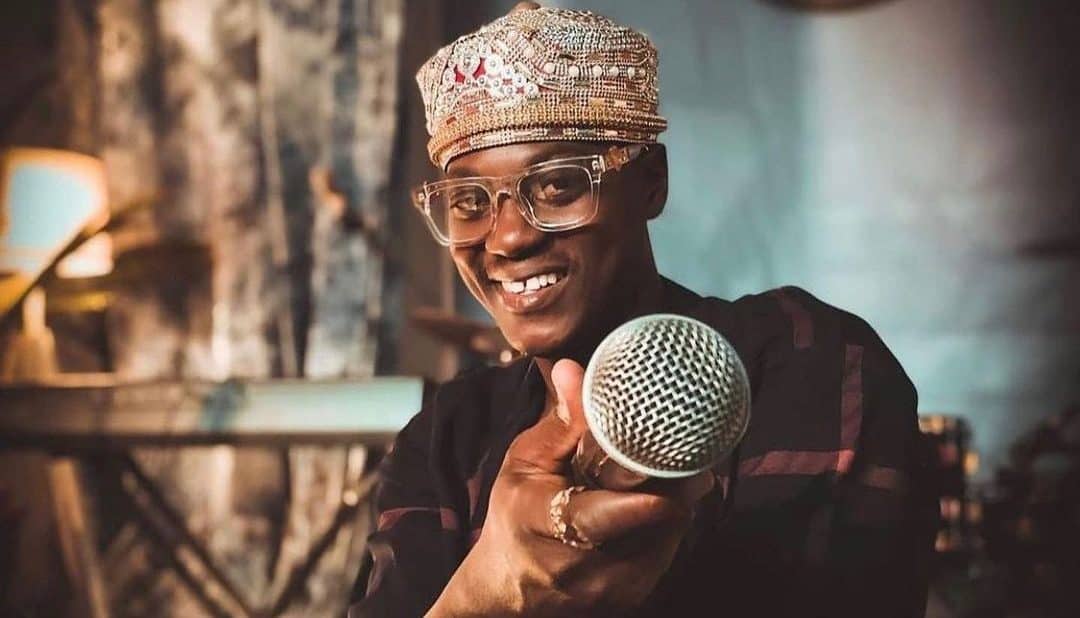
    Singer Olanrewaju Fasasi, popularly known as Sound Sultan, died after battling angioimmunoblastic T-cell lymphoma, a rare form of blood cancer.

    Sound Sultan

    The entertainer died on July 11, 2021, in the United States at the age of 44 following what was described as a prolonged illness.

    Sound Sultan gained prominence in the 1990s through his association with Kennis Music before establishing the “Naija Ninja” brand.

    During his music career, he released eight albums and received several awards, including a Headies recognition in 2012.

    Ify Onwuemene and endometrial cancer

    Actress Ify Onwuemene died in 2021 after suffering from endometrial cancer, a disease affecting the lining of the uterus.

    Ify Onwuemene

    Public attention focused on her health condition in 2020 after appeals seeking financial assistance for treatment circulated widely.

    The actress, known for her role in the television series “Everyday People,” eventually died in May 2021 following complications linked to the illness.

    Aduke Gold’s cervical cancer struggle

    Gospel singer Aduke Gold later joined the list of entertainers who lost their lives to cancer after reportedly battling cervical cancer.

    Aduke Gold

    Her family disclosed that she died in August 2024 while receiving treatment at the University College Hospital in Ibadan.

    Aduke Gold gained widespread popularity after the release of her 2021 song “Nitori Ogo,” meaning “Because of Glory,” which earned significant attention on streaming platforms and social media.

    Alexx Ekubo and stage four kidney cancer

    Actor Alexx Ekubo was also reported to have died after battling stage four kidney cancer.

    According to family accounts, the actor died on May 11, 2026, at the age of 40 after complications arising from metastatic kidney cancer.

    HEALTH INSIGHT: Understanding metastatic kidney cancer linked to Alexx Ekubo’s death
    Late Nollywood actor Alexx Ekubo

    The condition, also referred to as advanced kidney cancer, occurs when cancer cells spread from the kidney to other organs including the lungs, liver, brain or bones.

    Until news of his illness emerged, Ekubo had largely kept details about his health and personal life away from public attention.

    Growing conversations around cancer awareness

    The deaths of these entertainers have continued to generate conversations around cancer awareness, access to healthcare and the physical challenges associated with long-term treatment.

    Their contributions to music, film and television remain part of Nigeria’s cultural history even as the industry continues to reflect on the impact of the disease on public figures and ordinary citizens alike.

  • What metastatic kidney cancer is — full health breakdown of disease that killed Alexx Ekubo

    What metastatic kidney cancer is — full health breakdown of disease that killed Alexx Ekubo

    There are health stories that spread quickly across public spaces, often carrying emotion, uncertainty, and urgency in equal measure. When a name becomes attached to a medical condition, especially something as serious as metastatic kidney cancer, attention rises fast and questions follow even faster. Recent online discussions have linked this condition to Nigerian actor Alexx Ekubo, which has pushed many readers to ask what the illness actually is, how it develops, and why it is often described as one of the most advanced stages of cancer.

    What matters most here is not the noise around the claim, but the medical reality of the condition itself. Metastatic kidney cancer is a structured disease process with clear biological stages, predictable progression patterns, and deeply complex treatment pathways that affect the entire body once it spreads beyond the kidney.

    Family confirmation, Medical disclosure, Hospital statement context

    Recent confirmed media reports released between May 13 2026 and May 14 2026 state that Nigerian actor Alexx Ekubo passed away at the age of 40 following a private illness that had been kept away from public attention during its progression. According to official family statements published across verified Nigerian outlets, the actor died at Evercare Hospital in Lagos after complications linked to advanced metastatic kidney cancer, a condition described as having been handled privately with limited public awareness throughout his illness journey.

    The family further explained that his health struggle was not widely disclosed while he was alive, as he continued to maintain a quiet personal life despite the severity of the condition. The statement emphasized that he faced the illness with strength and emotional composure, with close relatives describing the experience as brief but marked by courage and dignity during treatment and hospital care.

    Key points from confirmed reports, Family disclosure summary:

    • He passed away at Evercare Hospital in Lagos
    • Cause of death was complications from advanced metastatic kidney cancer
    • The illness was privately managed away from public attention
    • Family described the battle as brief but courageous
    • He was 40 years old at the time of passing

    The official confirmation placed emphasis on privacy, noting that even close associates were largely unaware of the full severity of his medical condition until after his passing. Reports also indicate that he continued to reassure people around him during parts of his illness, which contributed to the delayed public understanding of what he was facing.

    Kidney Cancer Origin: Early Cellular Changes

    Kidney cancer begins at a microscopic level, long before any outward symptoms appear. The kidney, responsible for filtering blood and balancing essential body functions, becomes affected when certain cells begin to behave abnormally.

    The most common type is renal cell carcinoma, which develops slowly in many cases.

    Early development sequence:

    • Normal kidney cells undergo genetic mutation
    • Abnormal cells begin uncontrolled growth
    • Small tumor forms within kidney tissue
    • Tumor may remain confined for a period of time

    At this stage, many individuals feel completely normal, which is why early detection is often accidental rather than intentional.

    Metastatic Transformation Process, Disease Spread Sequence

    Metastatic kidney cancer begins when cancer cells break away from the original tumor and spread to other parts of the body. This is the stage that significantly changes both prognosis and treatment strategy.

    Step by step spread process:

    • Tumor grows within the kidney
    • Aggressive cancer cells develop mobility
    • Cells detach from primary tumor
    • Entry into bloodstream or lymphatic system occurs
    • Cancer cells travel to distant organs
    • New tumors form in secondary locations

    Common affected organs include:

    • Lungs
    • Bones
    • Liver
    • Brain
    • Lymph nodes

    Once this spread occurs, the disease is classified as stage 4 or metastatic kidney cancer.

    Metastatic Kidney Cancer Definition –  System Wide Condition

    Metastatic kidney cancer refers to kidney cancer that has extended beyond its original organ and established growth in other parts of the body. This makes it a systemic illness rather than a localized one.

    At this stage, the disease affects multiple systems at once, depending on where the cancer has spread.

    Organ impact overview:

    • Lungs, breathing difficulty and persistent cough
    • Bones, pain and structural weakness
    • Liver, metabolic disruption
    • Brain, neurological symptoms depending on location
    • Lymph nodes, widespread immune system involvement

    This wide spread nature is what makes treatment more complex and long term.

    Symptoms Timeline – Late Stage Recognition Pattern

    One of the most medically challenging aspects of kidney cancer is that it often develops silently. Many individuals do not experience symptoms until the disease has progressed significantly.

    Early stage:

    • Often no symptoms
    • Sometimes detected during unrelated scans

    Advanced stage symptoms:

    • Blood in urine
    • Persistent side or back pain
    • Unexplained weight loss
    • Chronic fatigue
    • Loss of appetite
    • Breathing difficulties if lungs are affected
    • Bone pain if spread occurs

    Because these symptoms overlap with other conditions, diagnosis is frequently delayed.

    Biological Mechanism Sequence: Internal Progression

    The internal development of metastatic kidney cancer follows a structured biological pathway that has been widely studied in oncology.

    Progression sequence:

    • Genetic mutation begins in kidney cells
    • Abnormal cell growth forms tumor
    • Tumor expands within kidney tissue
    • Cells gain ability to detach
    • Entry into blood or lymph system occurs
    • Circulation spreads cancer cells
    • Secondary tumors establish in other organs

    This process often develops over time rather than suddenly, which is why monitoring and early screening can be critical.

    Treatment Options

    Once kidney cancer reaches metastatic stage, treatment focuses on control, symptom management, and slowing progression rather than complete cure in most cases.

    Main treatment approaches:

    • Immunotherapy, strengthens immune response against cancer cells
    • Targeted therapy, blocks signals that allow tumor growth
    • Radiation therapy, controls specific tumor sites
    • Surgery, used in select cases depending on spread
    • Palliative care, manages pain and improves quality of life
    • Treatment is usually combined and adjusted based on patient response.

    Disease Management Outlook

    Metastatic kidney cancer is considered advanced because it has already moved beyond a single location. However, outcomes vary significantly depending on how early it is detected and how the body responds to treatment.

    Medical reality points:

    • Disease behavior differs from patient to patient
    • Some respond well to modern therapies
    • Others progress more rapidly depending on aggressiveness
    • Treatment focus is long term disease control
    • Continuous monitoring is required through scans and tests

    Medical advances between 2020 and 2026 have improved management options, especially with immunotherapy combinations.

    Public Understanding Gap: Medical Misinterpretation Issue

    When medical terms enter public conversation, they are often simplified or misinterpreted. Metastatic kidney cancer is one of those conditions where terminology can sound final or absolute, even though medically it describes a stage, not a fixed outcome.

    Common misunderstanding patterns:

    • Confusing stage 4 with immediate fatal outcome
    • Treating unverified reports as confirmed medical fact
    • Ignoring the need for official clinical confirmation
    • Overlooking advances in treatment options

    This gap between public interpretation and medical reality often fuels misinformation.

    Key Takeaway – Medical Summary

    Metastatic kidney cancer is a condition where cancer that begins in the kidney spreads to other organs through the bloodstream or lymphatic system, reaching a stage where it is no longer localized and requires complex, multi layered treatment focused on control rather than cure.

    Core points to remember:

    • It starts in kidney cells through genetic mutation
    • It becomes dangerous when it spreads beyond the kidney
    • It affects multiple organs depending on progression
    • Symptoms often appear late in the disease cycle
    • Treatment focuses on slowing progression and managing quality of life

    The condition remains medically serious, but it is also scientifically structured, well studied, and increasingly managed through evolving treatment approaches that continue to improve outcomes over time.

    Final Reflection – Quiet Battles, Life’s Unseen Weight

    Alexx Ekubo’s reported battle with metastatic kidney cancer leaves behind a feeling far heavier than the headlines surrounding it. Beyond the medical terms, hospital reports, and public reactions sits the painful image of a man many people watched for years without ever realizing he was allegedly carrying a silent fight within his body. That is the part that lingers the most. Not just the illness itself, but the quietness of it all.

    According to reports, the illness was handled privately, away from cameras, away from public sympathy, away from the noise that usually follows celebrity struggles. While people continued seeing smiles, appearances, and moments that looked normal from the outside, there was reportedly a battle unfolding behind closed doors that only a few truly understood. That contrast between public image and private pain is what gives this story its emotional weight.

    Metastatic kidney cancer is often described medically as a silent progressing disease because symptoms may not fully appear until the condition has already spread. That silence now feels painfully symbolic in this reported situation. A condition growing quietly inside the body mirrors the hidden emotional battles many people carry every day without the world noticing. Sometimes the loudest pain wears the calmest face.

    What makes stories like this hit differently is the reminder that life does not always give warnings people can clearly see. Fame cannot shield the body from illness. Success cannot negotiate with mortality. Public admiration cannot erase physical suffering. Behind every familiar face is still a human being vulnerable to fear, weakness, uncertainty, and pain.

    Reports describing his illness as brief but courageous leave behind an image that many people may never forget. Courage is not always loud. Sometimes courage is continuing to smile while privately breaking down. Sometimes courage is protecting loved ones from panic while personally carrying fear. Sometimes courage is simply waking up every day trying to hold onto hope while the body grows weaker.

    This reported situation also forces deeper reflection about health, time, and the fragile nature of human existence. Too many people postpone medical checks because they feel healthy. Too many warning signs are ignored because life feels busy. Too many private struggles remain hidden because people are afraid of appearing vulnerable. Then suddenly, reality changes everything in a way nobody expected.

    Long after social media discussions disappear, the emotional imprint of this story may remain because it touches something universal. Every person knows what it means to hide pain. Every family understands the fear of watching someone they love suffer quietly. Every human being eventually confronts the truth that life is painfully unpredictable.

    If there is one lasting lesson from this reported tragedy, it is that people should never take health, time, or human presence for granted. Sometimes the people who look strongest are fighting the hardest battles in silence. Sometimes life changes long before the world notices. Sometimes a smile hides more pain than words could ever explain.

  • Alexx Ekubo Cause of Death: What To Know About Metastatic Kidney Cancer

    Alexx Ekubo Cause of Death: What To Know About Metastatic Kidney Cancer

    Alexx Ekubo, a Nollywood actor, on Monday, May 11, died from complications arising from advanced metastatic kidney cancer.


    This was contained in a statement released by the family which was shared on the actor’s official Instagram page on Wednesday.

    According to the family, Ekubo passed away at Evercare Hospital after a “brief but courageous battle” with the illness.

    The family described the late actor as a beloved husband, son, brother and friend.

    “He endured his health challenges with “remarkable strength, unwavering faith, and enduring hope.”

    It partly reads, “After a brief but courageous battle, Alexx passed away at Evercare Hospital due to complications arising from advanced metastatic kidney cancer.

    In the spirit of education and enlightenment, WITHIN NIGERIA researched about ‘Metastatic Kidney Cancer’ and provided findings of the research as follows:

    WHAT IS METASTATIC KIDNEY CANCER?

    It is also known as the cancer of the kidney. It is a cancer that spreads beyond the kidney to other parts of the body. It starts when malignant cells in the kidney, most commonly renal cell carcinoma, break away from the original tumor and travel through the bloodstream or lymphatic system.

    The most frequent sites it spreads to are the lungs, bones, liver, brain, and distant lymph nodes. At this stage it’s called Stage IV or metastatic disease, and it’s no longer considered a localized problem that can be removed with surgery alone.

    THINGS TO KNOW ABOUT METASTATIC KIDNEY CANCER

    About one-third of renal cell carcinoma cases are already metastatic at diagnosis

    The most common places it spreads to are lungs, bones, brain, and liver

    Early-stage kidney cancer often has no symptoms.

    When it’s metastatic, symptoms depend on where it spread.

    Blood in urine, back/side pain, lump in abdomen.

    Fever, weight loss, fatigue, night sweats

    Swelling in legs/feet, high blood pressure, high calcium.

    Symptoms in different body locations: 

    Lungs – Cough, shortness of breath

    Bones – Bone pain, fractures

    Brain – Headaches, seizures, dizziness

    Liver – Jaundice, belly swelling

    Adrenal gland – Back/abdominal pain, digestive issues.

    5-year relative survival for distant/metastatic kidney cancer is roughly 15–19%.

    Median survival without modern therapies was 6–12 months.

    Outcomes depend heavily on _where_ it spread:

    Lung metastases: Median overall survival ∼25.1 months

    Bone metastases: ∼19.4 months

    Liver metastases: ∼17.6 months

    Brain metastases: Poor prognosis, but some drugs like cabozantinib can cross the blood-brain barrier.

    Early detection changes things a lot. When caught early and confined to the kidney, 5-year survival exceeds 90%.

    Treatment goal is usually to control the cancer and manage symptoms, since it’s rarely cured at this stage.

    Immunotherapy: Boosts your immune system to fight cancer cells. Often first-line now.

    Targeted therapies: Drugs that block proteins/blood vessels tumors need to grow.

    Combination therapy: Immunotherapy + targeted therapy is common and has improved outcomes.

    Surgery: Sometimes used to remove the kidney tumor, metastases, or for symptom relief/palliative care.

    Radiation: Shrinks tumors and helps with pain, especially bone mets.

    Ablation techniques: Radiofrequency or cryoablation for small tumors.

    Treatment choice depends on your age, overall health, how far it’s spread, and where the metastases are.

    Smoking, obesity, high blood pressure, long-term use of certain pain meds, family history, and genetic conditions.

    It’s more common in men, usually around age 60–65

    Even with stage IV, new medications are helping people live longer with fewer side effects.

    Palliative care is a key part of managing pain and quality of life.

    After kidney removal, most people adapt well with one kidney if the other is healthy.

  • TRIBUTE: Alex Ekubo, Lawyer Who Abandoned Bar For Nollywood

    TRIBUTE: Alex Ekubo, Lawyer Who Abandoned Bar For Nollywood

    On Tuesday, May 12, 2026, news filtered in that popular Nollywood actor, Alex Ekubo, has died.

    Ekubo reportedly died at the age of 40.

    His death was confirmed on Tuesday by his colleagues and close allies Funke Akindele, Bolanle Ninalowo, and Godwin Nnadiekwe.

    Sharing on her Instagram story, Akindele wrote, “Hmmmmmm. Rest in peace, Alex.

    “I tried to reach out to see you one more time, but I guess you knew best.

    “May your kind soul rest in peace, Alex. ‘Ore mi like you fondly called me, I will always remember and cherish the good times we shared together.

    “Rest in Peace, Alexx.”

    WITHIN NIGERIA gathered that the young Nollywood star died of cancer.

    Our reporter took a look at his life and time.

    Biography

    Alexx Ekubo-Okwaraeke was born on April, 1986.

    He was best known for his roles in romantic comedies and dramas in Nollywood films.

    However, his prominence came into limelight in the Nollywood blockbuster, Weekend Getaway.

    In 2020, he was named one of the “Most Influential People of African Descent munder 40 by the United Nations, for his contributions to entertainment and social development across the continent.

    Early life and education

    Ekubo was a native of Arochukwu in Abia state.

    He attended Federal Government College Daura, Katsina state.He studied law at the University of Calabar , Cross River State.
    He was also awarded an Honorary Degree in Arts & Culture from the Institut Supérieur de Communication et de Gestion (ISCG University) Cotonou, Republic of Benin, 2021.

    His career

    He debuted in a minor role in Lancelot Oduwa Imaseun’s Sinners in the house (2003). He later starred in Afamefuna, Power of 1.

    Others include, A Sunday Affair, Omo Ghetto, The Saga, The Bling Lagosians, Zero Hour etc.

    His performances have been praised for blending humour, emotional depth, and commercial appeal.

    With over a 100 films credit, Ekubo worked with leading Nollywood filmmakers and was increasingly recognized as a cultural bridge between African and diaspora cinema. His appearances at film festivals across the world and work with streaming platforms giants positioned him as a global African talent.

    Philanthropy and advocacy

    Aside entertainment, Ekubo was a humanitarian and philanthropist youth advocate.

    He also participated in numerous charitable initiatives and outreach programs across Nigeria and the West African region. In 2020 He received a certificate of excellence from the Sapio Club SGD (Sustainable Goals Development) for an exemplary contribution to the African Entertainment & Humanitarian Effort.

    In 2021, he was awarded the Global Social Giving Actor of the Year by the Nigerian National Awards for his charity efforts

    Ekubo was recognized in 2023 as the Rotary Youth Ambassador of the year under Rotary International District 9142.

    Personal life and death

    Ekubo was known for his distinctive fashion presence, and was frequently featured on best-dressed lists across Africa. He maintained a private lifestyle and often used his platform to advocate for social causes and youth empowerment.

    Filmography

    Some of his films are ladies Gang (2011) as Jude; Aina (2011) as Handsome Man, Weekend Getaway (2012) as Andre Dikeh
    12 May 2026, True Citizens (2012), In the Cupboard (2012) as Tega, Dream Walker (2013) as Dream Man, Keeping my Man (2013) as Rasheed, Champagne (2014) as Tare Hopewell, Single, Married and Complicated (2014), Ifedolapo (2014)as Richard and Gold Diggin (2014) (with Yvonne Nelson and Rukky Sanda ) as Chris.

    Others include Undercover Lover (2015) as Collins, All that Glitters (2015)
    The First Lady (2015) (with Omoni Oboli) as Obama, Gbomo Gbomo Express (2015) as Hubby, Luke of Lies (2015) as Luke, Death Toll (2015), Entreat (2016) as Michael Olawale, The Other Side of the Coin (2016)and numerous others.

    Sowore others mourn Ekubo

    Human rights activist and politician Omoyele Sowore has paid tribute on X, describing Ekubo as a “rare talent.”

    Ih his words, “My profound condolences to the family, friends, and fans of Nollywood star Alexx Ekubo, who I understand passed away after a prolonged battle with cancer.

    “I never met him personally, but I still cannot forget a movie of his I watched on an Emirates flight from New York to Dubai en route to Nairobi. He was a rare talent whose presence lit up the screen effortlessly. May he rest in power,” Sowore wrote.

    However, popular actress Funke Akindele also shared an emotional message on her Instagram story, mourning the late actor.

    According to her “Hmmmmmm. Rest in peace, Alex. I tried to reach out to see you one more time, but I guess you knew best.

    “May your kind soul rest in peace, Alex. ‘Ore mi’ like you fondly called me, I will always remember and cherish the good times we shared together. Rest in Peace, Alex.”

    Human rights lawyer Inibehe Effiong also expressed condolences, noting that the late actor’s contributions to the entertainment industry would not be forgotten.

    “Your contributions to the entertainment industry will not be forgotten in a hurry.

    “You made significant strides and your memory will continue to inspire younger actors.

    “My sincere condolences to the family, friends and colleagues of Alex. Life is indeed ephemeral,” he wrote.

  • What happened the night before Veteran actor Solomon Akiyesi died in Abuja

    What happened the night before Veteran actor Solomon Akiyesi died in Abuja

    There was no loud warning, no public distress, no dramatic final appearance that hinted at what was coming next. Sunday, April 26, 2026 arrived with the kind of stillness that often hides life altering moments until they have already passed. For a man who had spent over 2 decades in the spotlight, shaping stories, commanding screens, building a name that travelled across homes in Nigeria, the closing chapter did not come with applause or cameras. It came in silence.

    What unfolded in the final hours before Solomon Akiyesi’s death has since drawn attention not because it was chaotic, but because it was ordinary in a way that unsettles the mind. A routine evening, a reported health complaint, a return home, then sleep. Somewhere between those simple actions, something irreversible took place. The absence of noise has become the loudest part of the story.

    Questions have surfaced naturally, but answers remain measured. Early details paint a sequence that feels both clear and incomplete at the same time. Those close to the situation have shared fragments, enough to form a timeline, but not enough to close the emotional gap left behind. What truly happened that night continues to sit between confirmed facts and lingering uncertainty.

    Sunday, April 26, 2026, the confirmed timeline

    Sunday, April 26, 2026 now stands as the official date tied to his passing, a date confirmed by the Actors Guild of Nigeria through its president, Abubakar Yakubu. The confirmation brought clarity to the fact of his death, yet it also opened the door to deeper curiosity about the hours leading up to it.

    Available information suggests that the actor spent the earlier part of that day like many others before it. There has been no widely reported unusual public activity, no indication that he was in visible distress during the day. The absence of alarm during daylight hours makes what followed later even more striking.

    As evening approached, attention shifts to what has been described as the most critical period of the timeline. Reports indicate that Solomon Akiyesi began experiencing chest pain at some point that night. The discomfort was significant enough to prompt medical attention, which suggests that it was not dismissed as something minor at the time.

    He was reportedly taken to a hospital where he received treatment. Early accounts mention that he may have been treated for an ulcer, though this detail remains within the category of preliminary information rather than medically confirmed conclusions. After receiving care, he returned home, a decision that likely came with reassurance that his condition was under control.

    Nothing in that moment suggested that the situation would take a fatal turn within hours.

    The hospital visit that shaped the final hours

    The visit to the hospital stands as one of the most important pieces of the puzzle. It represents a moment where intervention took place, where symptoms were acknowledged, where action was taken. Yet it also raises quiet questions about what might have been happening beneath the surface.

    Chest pain is a symptom that carries multiple possible meanings. It can signal something mild, something serious, or something that sits in between. The reported diagnosis of an ulcer suggests that medical professionals may have identified a gastrointestinal cause for his discomfort. However, without a full official medical report, that interpretation remains part of early narratives rather than a confirmed conclusion.

    Returning home after treatment often brings relief. It signals that the immediate concern has been addressed, that rest is now the next step. For Solomon Akiyesi, that return home marked the transition into what would become his final hours. There was likely a sense of normalcy in that moment, a belief that the worst had passed.

    That belief, if it existed, makes what followed even more difficult to process.

    The return home, a moment of calm before silence

    After leaving the hospital, he reportedly went back home to rest. The environment shifted from clinical observation to personal comfort, from medical supervision to familiar surroundings. This transition is one that countless people experience every day without consequence, which is why it rarely carries a sense of danger.

    Accounts suggest that he went to bed later that night. There were no widely reported signs of distress at that point, no indication that his condition had worsened dramatically after returning home. The expectation would have been that sleep would aid recovery, that rest would restore strength.

    Sleep, in this case, became the final state anyone saw him in.

    Somewhere during those hours of rest, something changed. Without witnesses, without recorded symptoms, without immediate intervention, the moment itself remains unknown. What is known is the outcome.

    The early morning discovery that changed everything

    The next turning point came in the early hours of the morning when his wife reportedly discovered him unresponsive. This moment transformed a quiet night into a devastating reality. The transition from sleep to death had occurred without warning signs that could have triggered immediate action.

    Discovering a loved one in such a state is an experience that carries shock, confusion, and disbelief. There is often a brief window where the mind searches for alternative explanations, where denial attempts to override what is clearly unfolding. In this case, that moment marked the confirmation that something had gone terribly wrong.

    Emergency responses in such situations can only do so much once the critical moment has passed. By the time he was found, the outcome had already been sealed. The silence of the night had already done its work.

    Official confirmation, the role of the Actors Guild

    News of his death did not remain within private circles for long. The Actors Guild of Nigeria stepped in to officially confirm the development, bringing structure to what might otherwise have remained scattered reports. Abubakar Yakubu, speaking as the president of the guild, provided the confirmation that the industry and the public needed.

    He stated clearly that Solomon Akiyesi had gone to bed and did not wake up. That simple sentence carries a weight that is difficult to unpack. It removes speculation about dramatic circumstances while reinforcing the quiet nature of his passing.

    His remains were deposited in a morgue in Abuja, marking the transition from immediate loss to formal processes. At this stage, both the family and relevant authorities are awaiting full medical details that will provide clearer insight into the cause of death.

    Awaiting medical clarity

    Despite the available timeline, one critical element remains unresolved. The official cause of death has not been fully disclosed. This gap leaves room for interpretation, but it also calls for patience as proper medical evaluations are completed.

    Autopsy results, if conducted, are expected to provide a more definitive understanding of what happened during those final hours. Whether the chest pain reported earlier was directly connected to his death or merely a coincidental symptom is something only medical analysis can confirm.

    The waiting period can be difficult, especially when early reports have already shaped public perception. Balancing those early accounts with verified medical conclusions will be essential in forming a complete picture of the events.

    A life that stretched across decades of storytelling

    While the focus has understandably been on his final hours, Solomon Akiyesi’s life extends far beyond that night. His career in Nollywood began in the late 1990s, placing him among a generation of actors who helped shape the modern Nigerian film industry.

    Over the years, he built a presence that went beyond acting. He worked as a producer and director, contributing to the industry from multiple angles. His involvement in more than 100 films reflects both consistency and adaptability, qualities that are essential in an industry that continues to evolve.

    Titles such as Deadly Affair, Heart of a Saint, Pretty Liars, and Gen Z Wife released in 2024 represent different phases of his career. Each project added another layer to his professional identity, allowing him to remain relevant across changing audiences.

    Leadership roles that extended beyond the screen

    Beyond his work in front of the camera, he held positions that placed him within the structural framework of the industry. As a member of the Actors Guild of Nigeria board, he participated in decisions that affected the welfare and direction of actors across the country.

    He also served as the president of the National Association of Ososo Creatives, a role that connected him to a more localized creative community. These positions reflect a level of commitment that goes beyond personal success. They show a willingness to contribute to collective growth.

    Leadership within creative industries often involves navigating challenges that are not visible to the public. Balancing artistic expression with organizational responsibilities requires a different kind of discipline. His involvement in these roles suggests that he understood the importance of both.

    A controversial chapter that kept his name in headlines

    His life was not without moments of public controversy. One of the most talked about incidents occurred in 2013 during a wedding ceremony that took an unexpected turn. What was meant to be a celebration became a dramatic confrontation when his first wife appeared, challenging the validity of the union.

    The situation escalated quickly, drawing attention from both the public and law enforcement. The disruption required police intervention, turning a private event into a widely discussed incident. He later issued an apology, but the moment remained part of his public narrative.

    Such episodes often shape how individuals are remembered, not because they define the entirety of a life, but because they capture intense moments of conflict. In his case, it added another layer to a story that was already complex.

    Industry reactions, a mix of shock, reflection, tribute

    The news of his death has prompted reactions across Nollywood. Colleagues have described him as energetic, versatile, and deeply committed to his craft. These descriptions align with the body of work he left behind, reinforcing the image of a man who took his profession seriously.

    Reactions to sudden deaths often carry a unique tone. There is grief, but there is also a sense of disbelief that comes from the unexpected nature of the event. When someone passes without a prolonged public illness, the shock tends to linger longer.

    Tributes have focused on both his professional contributions and his personal interactions. Those who worked with him have highlighted his presence on set, suggesting that his impact was felt not just through performances, but through daily engagement with others.

    The fragile line between routine life, irreversible moments

    One of the most striking aspects of this story is how it underscores the unpredictability of life. A sequence that began with a manageable health complaint ended in a loss that no one anticipated within that timeframe. The shift from concern to finality happened within a matter of hours.

    This kind of transition forces a reflection on how quickly circumstances can change. It also highlights the limitations of human control when it comes to health. Even with medical intervention, outcomes are not always guaranteed.

    The night before his death serves as a reminder that ordinary moments can carry unseen weight. What feels routine at one point can become significant in hindsight.

    Closing reflections: A story still unfolding

    Solomon Akiyesi’s death has been confirmed, but the full story is still being written through ongoing medical evaluation and personal reflection. The timeline of his final hours provides structure, yet it leaves space for deeper understanding that will come with time.

    What remains undeniable is the impact of his life, the suddenness of his passing, and the quiet nature of the night that changed everything. The absence of noise in his final moments has not diminished the volume of the conversation that followed.

    As more details emerge, the focus will likely shift from uncertainty to clarity. Until then, the story stands as both a record of events and a reminder of how fragile the line between presence and absence can be.

  • A Deep Dive into Ruth Kadiri’s Holy Spirit AI claim that sparked Angela Okorie’s outrage

    A Deep Dive into Ruth Kadiri’s Holy Spirit AI claim that sparked Angela Okorie’s outrage

    April 15, 2026 did not begin as a day that would ignite one of the most talked about celebrity clashes tied to faith and technology in recent Nigerian pop culture. What unfolded between Ruth Kadiri and Angela Okorie was not rooted in personal history or direct conflict, but in interpretation, tone, and the fragile space where spirituality meets modern innovation. A single video, framed as a reflection, quickly moved from thoughtful message to viral controversy, dragging two Nollywood figures into a heated public exchange that exposed deeper cultural sensitivities.

    The situation did not rely on hidden facts or long standing rivalry, it played out in real time, in public view, with clear timestamps and visible reactions. What began as a spiritual observation evolved into a national conversation that forced people to pick sides, question intent, and confront their own beliefs about technology, religion, and the responsibility of public figures when speaking on such topics.

    TIMELINE OF EVENTS ON APRIL 15 2026

    Events moved with unusual speed on April 15 2026, creating a chain reaction that left little room for quiet reflection before opinions hardened. Ruth Kadiri posted a video message on that Wednesday, sharing what she described as a divine insight. The content did not initially appear confrontational, it carried the tone of personal conviction, framed as guidance rather than doctrine.

    As the hours passed, the video began gaining traction across social media platforms. Viewers clipped portions of her message, reposted it, debated it, and interpreted it in different ways. By midday, conversations had already shifted from curiosity to controversy, with many focusing on one specific part of her message that connected the Holy Spirit with Artificial Intelligence.

    Later that same day, Angela Okorie responded publicly. Her reaction did not come as a measured critique or a carefully structured disagreement. It came as a blunt dismissal, delivered directly in the comment space where the original message had already gathered attention. The timing of her response ensured that the conversation would not slow down but instead accelerate into something more intense.

    ORIGIN OF THE SPIRITUAL MESSAGE

    Ruth Kadiri in her new video

    The foundation of the entire situation rests on the message shared by Ruth Kadiri. Her video was centered on a spiritual reflection, one she described as something she had come to understand through divine revelation. According to her explanation, the Holy Spirit could be viewed as the original source of intelligence, something far beyond human creation, something that predates and surpasses any form of Artificial Intelligence developed by man.

    Her intention, based on the full context of her message, was not to elevate technology but to caution against over reliance on it. She emphasized that many people were beginning to turn to AI tools for emotional support, decision making, and guidance, roles that she believes should remain within the domain of spiritual connection. The comparison she made was meant to highlight contrast, not equivalence, yet the wording she chose opened the door for multiple interpretations.

    What might have remained a niche spiritual reflection instead entered a broader audience that included people with varying levels of religious sensitivity, technological awareness, and tolerance for metaphorical expression.

    CONTROVERSIAL WORDING THAT TRIGGERED REACTIONS

    The exact phrasing used by Ruth Kadiri became the turning point. By referring to the Holy Spirit as the first AI, she introduced a comparison that many listeners found uncomfortable. For some, the statement felt like an attempt to simplify something sacred into something mechanical. For others, it sounded like a creative metaphor that simply needed better explanation.

    Language plays a powerful role in shaping perception, especially when dealing with spiritual matters. Words that might seem harmless in one context can carry deep weight in another. In this case, the blending of a deeply revered religious concept with a modern technological term created tension that could not be easily ignored.

    Many viewers did not wait to analyze the full message before reacting. Clips circulated without full context, and interpretations formed quickly. Some defended her intention, while others rejected the comparison entirely, arguing that certain spiritual elements should never be likened to human inventions.

    ENTRY OF ANGELA OKORIE INTO THE CONVERSATION

    The situation shifted dramatically when Angela Okorie entered the discussion. Known for her outspoken personality, she did not approach the matter with subtlety. Her response was immediate, direct, and dismissive.

    Rather than dissect the message or question the intent behind it, she labeled the statement as nonsense and instructed her colleague to stop making such claims. The tone of her reaction became just as significant as the content of her disagreement. It was not framed as a debate, it was delivered as a shutdown.

    Actress, Angela Okorie marries her fiance Desmond in a romantic beach wedding (Photos)
    Angela Okorie

    Public reactions to her response were shaped heavily by this tone. While some agreed with her stance, many questioned the manner in which she expressed it. The shift from discussion to confrontation happened at this exact point, turning what could have been a reflective debate into a heated exchange.

    WHY THE CLASH ESCALATED QUICKLY

    Several elements combined to push the situation from simple disagreement into full scale online drama. Religion remains one of the most sensitive topics within Nigerian society, where spiritual beliefs are deeply personal and widely respected. Introducing technology into that space added another layer of complexity that made reactions even stronger.

    Celebrity involvement amplified everything. When public figures speak, their words travel further and faster, reaching audiences that may not share the same perspective. When another public figure responds, especially in a confrontational way, the conversation becomes less about the original message and more about the clash itself.

    Tone played a decisive role. A softer critique might have encouraged dialogue, but a harsh dismissal triggered defensiveness among supporters of Ruth Kadiri. The situation quickly became polarized, with little room left for middle ground.

    PUBLIC DIVISION ACROSS SOCIAL MEDIA

    By the evening of April 15 2026, social media had split into distinct camps. Supporters of Ruth Kadiri argued that her message had been misunderstood. They emphasized that she was warning against excessive reliance on AI, not promoting it or equating it with the Holy Spirit.

    Those aligned with Angela Okorie focused on the principle that sacred concepts should not be compared to technological constructs under any circumstance. For them, the issue was not about intention but about respect.

    A third group took a more balanced view. These observers acknowledged that the message could be misinterpreted but also criticized the aggressive tone of the response. They argued that disagreement does not require insult, especially between colleagues in the same industry.

    The debate extended beyond the individuals involved, becoming a wider conversation about faith, communication, and responsibility.

    DEEPER PATTERNS WITHIN NOLLYWOOD CULTURE

    This clash did not exist in isolation. Nollywood has a long history of internal disagreements playing out in public spaces. Social media has made it easier for these conflicts to unfold in real time, often without mediation or resolution.

    Angela Okorie has built a reputation for direct communication, often choosing blunt expression over diplomatic phrasing. This approach resonates with some audiences while alienating others. Ruth Kadiri, on the other hand, is often perceived as more measured, making the clash even more striking due to the contrast in their public personas.

    When spirituality enters such exchanges, the stakes become higher. Discussions shift from professional disagreement to personal belief systems, making resolution more difficult.

    HUMAN SIDE OF THE CONTROVERSY

    Beyond the headlines and social media reactions lies the human reality of the situation. Both individuals are not just public figures but people navigating the pressure of constant visibility. Every word spoken publicly carries weight, and every reaction invites scrutiny.

    Ruth Kadiri likely did not anticipate that her reflection would trigger such intense backlash. The speed at which the conversation escalated left little room for clarification before opinions solidified. Angela Okorie, in responding the way she did, reinforced her established persona but also became part of a larger debate about communication style.

    The audience, too, played a role. Social media thrives on conflict, and once the clash began, it was amplified by shares, comments, and reinterpretations that kept it alive far beyond the initial exchange.

    BROADER QUESTIONS ABOUT FAITH IN A DIGITAL AGE

    The incident raises important questions about how faith is discussed in an era dominated by technology. Artificial Intelligence continues to shape how people seek information, make decisions, and even process emotions. At the same time, spiritual beliefs remain deeply rooted in personal and cultural identity.

    Balancing these two worlds requires careful language and sensitivity. Metaphors that attempt to bridge the gap can either enlighten or offend, depending on how they are received. The challenge lies in communicating ideas without diminishing the significance of either domain.

    This situation highlights the difficulty of navigating that balance, especially for public figures whose words reach diverse audiences with varying interpretations.

    CONCLUSION ON A VIRAL FAITH TECH CLASH

    The events of April 15 2026 demonstrate how quickly a single statement can evolve into a widespread controversy when it touches on sensitive themes. What began as a personal spiritual reflection by Ruth Kadiri became a national conversation after a sharp response from Angela Okorie shifted the tone from discussion to confrontation.

    The clash revealed more than disagreement between two individuals. It exposed the complexities of communicating faith in a modern world, the impact of tone in public discourse, and the role of audiences in amplifying conflict. While the immediate drama may fade, the questions it raised about belief, technology, and expression will likely continue to resonate beyond the moment.

    Moments like this serve as reminders that words carry power, especially when spoken in public spaces where interpretation moves faster than intention.